

Optimal Drying Speeds for Epoxy Finishes
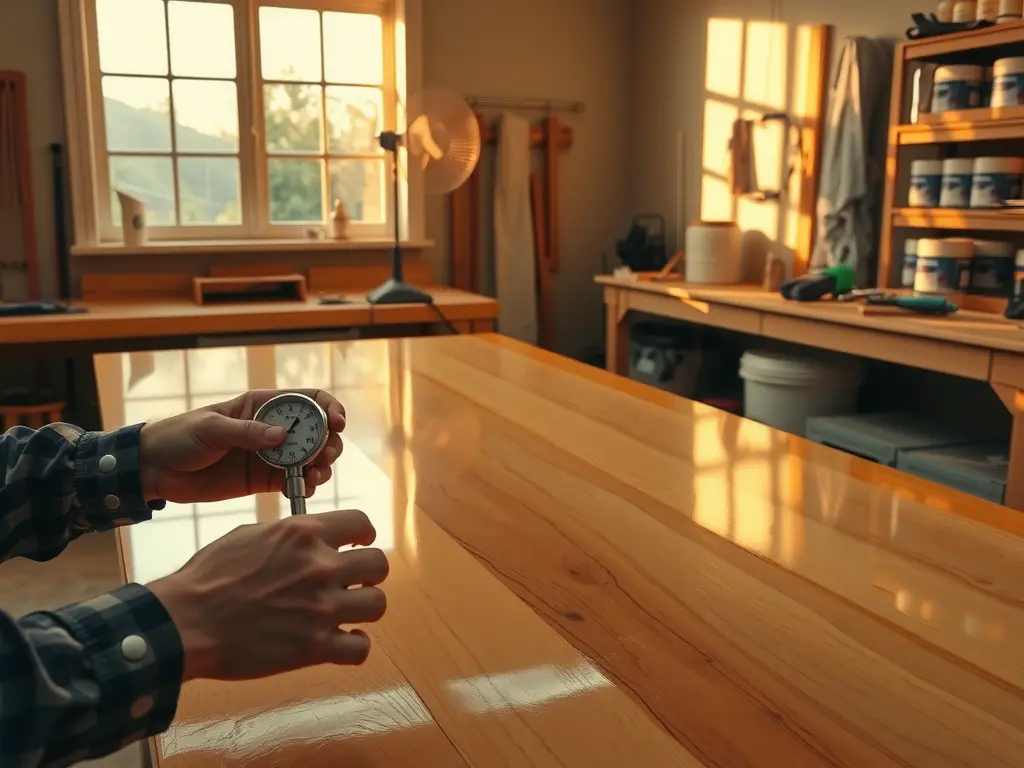
The speed at which the finish dries. When it comes to creating a long-lasting and durable finish, understanding the importance of optimal drying speeds is crucial for epoxy finishes.
Proper drying speed is crucial for epoxy finishes quality because it directly affects the finish’s durability and overall appearance.
Epoxy curing times play a significant role in determining the final outcome, and any deviations from the optimal range can lead to subpar results.
Faster is not always better: excessive heat can ruin the finish, causing it to become brittle or develop unsightly bubbles and imperfections. This is particularly true when it comes to finish hardening, as high temperatures can accelerate the epoxy curing times, drying rates, and resin application, which can be mitigated by using the correct curing agents and epoxy coatings.
Understanding Epoxy Curing Times
Epoxy resin has been a go-to material in industries due to its exceptional mechanical and adhesive properties, with various applications ranging from coatings to composites and adhesives. The transformation of resin into a solid, usable form involves intricate chemical reactions that directly impact the final product’s performance and characteristics.
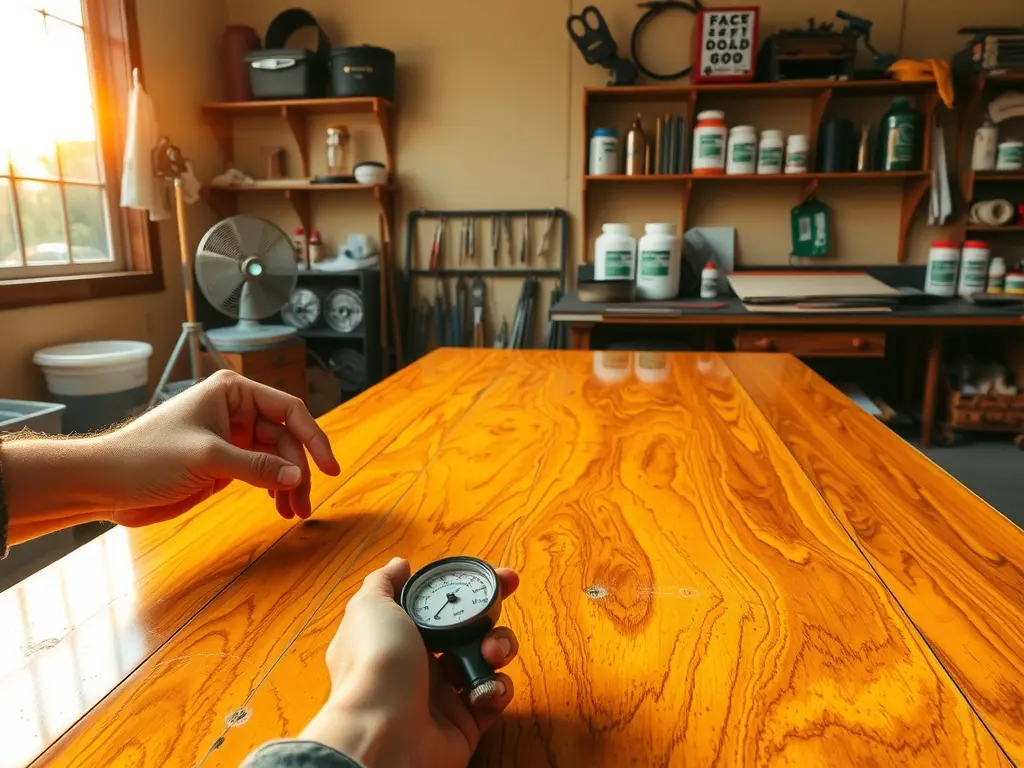
The Thin Line Between Success and Failure
A well-executed epoxy curing process is often the difference between a top-notch finish and a subpar one.
This intricate process is comprised of sequential reactions between the resin and hardener components, determining the final product’s mechanical properties, durability, and overall performance. While surface preparation, temperature effects, humidity levels, viscosity adjustments, epoxy formulation, and drying techniques all play a role in the curing process, temperature effects play a far more significant role in determining the final outcome.
The Impact of Drying Rates
Epoxy projects are only as good as the time and quality invested in their preparation and execution.
Understanding the Importance of Drying Rates
Drying rates play a crucial role in the overall success of epoxy projects, as a faster drying rate may compromise adhesive properties and finish durability.
The ideal drying rate must strike a balance between speed and finish quality, and the key to achieving this balance lies in understanding the various environmental factors that influence drying rates, including temperature and humidity.
The Science Behind Epoxy Curing and Drying
Epoxy curing is a complex process involving chemical reactions that are sensitive to application thickness and curing cycles. These chemical reactions can significantly impact the drying rate, and by analyzing the impact of drying rates on overall project timelines, we can gain a comprehensive understanding of how adhesive properties, application thickness, environmental factors, curing cycles, and finish durability are influenced.
Techniques for Finish Hardening
Optimizing the surface adhesion of materials through precise finish hardening is a crucial step in ensuring the reliability and longevity of various industrial products, with far-reaching implications for their functionality and market appeal.
The importance of finish hardening cannot be overstated, as it directly impacts the lifespan and quality of the finished product.
Environmental conditions, such as temperature and humidity, significantly affect finish hardening, making it challenging to achieve optimal results.
To overcome these challenges, manufacturers are continually exploring new methods to refine their finish hardening processes, focusing on the precise control of hardener ratios to achieve the desired balance of strength and finish.
Drying methods, such as air drying, infrared drying, and air-inject drying, have been developed to accelerate the finish hardening process, allowing for faster production cycles and improved efficiency. In addition to these techniques, the selection of epoxy paint can also impact the overall performance and durability of the coating, with factors such as surface adhesion, hardener ratios, drying methods, and moisture control playing critical roles in optimizing drying time.
The Role of Environmental Factors
The properties of a surface finish can be significantly impacted by the surrounding environmental conditions, making it essential to understand the factors that influence its quality and durability.
Temperature and humidity play a crucial role in determining the drying speed of epoxy finishes.
Their impact can be profound, affecting the finish quality, adhesion strength, and overall curing stages of the epoxy.
Temperature has a significant impact on drying speeds, with optimal ranges typically between 60°F to 27°C.
This range allows for a balance between evaporation and polymerization, ensuring a smooth and even finish. Conversely, temperatures that are too high or too low can compromise the drying efficiency, leading to a range of issues, including uneven finishes and reduced adhesion strength.
Humidity levels also greatly influence drying speeds, with ideal levels ranging from 50% to 70%. Higher humidity can slow down the drying process, while compromising the finish gloss, adhesion strength, curing stages, and drying efficiency of epoxy mixtures, ultimately affecting the surface finish.
Key Factors Influencing Epoxy Finish Quality
- Temperature ranges between 60°F to 27°C are optimal for drying speeds, ensuring a smooth and even finish.
- Humidity levels between 50% to 70% are ideal for drying speeds, while higher humidity can slow down the process and compromise finish quality.
- Temperatures that are too high or too low can compromise drying efficiency, leading to uneven finishes and reduced adhesion strength.
- Higher humidity can also compromise the finish gloss, adhesion strength, curing stages, and drying efficiency of epoxy mixtures.
Importance of Surface Preparation
A surface’s underlying quality can significantly impact the durability and aesthetic appeal of any applied coatings or finishes, ultimately determining their overall effectiveness.
The importance of surface preparation cannot be overstated.
A strong bond between the surface and the epoxy finish is only achievable through thorough surface preparation.
Any imperfections, dust, or contaminants on the surface can prevent the epoxy from adhering properly and compromising the finish quality.
Understanding the surface properties of the object or material is essential for selecting the right surface preparation method. Surface preparation can be affected by factors such as porosity, texture, and chemical composition of the surface.
For instance, a surface with high porosity may require specialized cleaning solutions, which are particularly suitable for slow curing applications, to remove impurities and ensure a strong bond. Cleaning the surface is the first step in surface preparation, which involves removing dirt, oil, and contaminants that can affect the finish compatibility of fast and slow curing resin mixtures, require proper use of application tools, and be sensitive to drying environment conditions.
Adjusting Viscosity for Optimal Results
Viscosity. This seemingly obscure property has a profound impact on the performance of a wide range of materials, including epoxy systems.
Viscosity is a measure of a fluid’s resistance to flow, with higher viscosity indicating greater resistance.
In epoxy application, viscosity is essential for ensuring proper fluid dynamics and flow behavior, which in turn affect the coating systems used.
In a typical epoxy system, surface tension plays a crucial role in determining the working time, with higher viscosity slowing down the flow and allowing for a longer working time. Conversely, lower viscosity results in faster flow, reducing the working time and potentially compromising the finish quality.
To achieve optimal results, manufacturers often adjust the viscosity of their products to suit specific applications. For instance, high-viscosity epoxy resins exhibit reduced surface tension and improved bonding agents, leading to more effective coating systems and superior finish evaluation, with extended working time.
Key Facts About Viscosity in Epoxy Systems
- Viscosity is a measure of a fluid’s resistance to flow, with higher viscosity indicating greater resistance.
- Higher viscosity in epoxy systems slows down flow and allows for a longer working time, while lower viscosity results in faster flow and reduced working time.
- Manufacturers often adjust the viscosity of their products to suit specific applications, such as achieving reduced surface tension and improved bonding agents.
- High-viscosity epoxy resins can exhibit improved coating systems and superior finish evaluation, with extended working time.
Curing Agents Explained
The quality of an epoxy finish is heavily influenced by the curing agents used in the finishing process, as they can significantly impact the drying speed, viscosity, and overall finish of the final product.
Understanding the Importance of Curing Agents in Epoxy Finishing
Curing agents are a crucial component in epoxy finishing, as they play a vital role in determining the quality of the final product.
Effective curing agents can make all the difference in enhancing the shelf life, helping to improve the application techniques, and protecting the finish from damage.
The type of curing agent used can significantly impact the drying speed, viscosity, and overall finish of the epoxy resin.
* Amines: These agents facilitate molecular bonding between the epoxy resin and hardener, allowing for a strong and durable finish.
* Epoxy types: The choice of epoxy type, such as two-part or one-part, can affect the curing process and the final product’s properties.
* Curing temperature: The temperature at which the curing agent is applied can influence the rate of curing and the resulting finish’s quality.
* Shelf life: The shelf life of the curing agent can impact its effectiveness and the overall project timeline.
* Application techniques: Proper application techniques, such as mixing ratios and application methods, are crucial for.
Evaluating Finish Compatibility
The choice of finish has a significant impact on the overall appearance of a project, with some finishes enhancing the natural beauty of the substrate while others can completely transform it. Aesthetic considerations play a crucial role in determining the final look and feel of a project, making it essential to choose a finish that complements the substrate’s natural characteristics.
When selecting a finish, it is essential to consider the substrate’s chemical compatibility.
Different substrates have varying levels of chemical resistance, and applying a finish that is not compatible with the substrate can lead to adhesion issues, uneven finish application, and even damage to the substrate.
Finish resilience is another critical factor to consider when evaluating finish compatibility. A finish that is not compatible with the substrate may not be able to withstand the stresses of daily use, leading to premature wear and tear, and potentially requiring costly repairs or replacements. In addition to finish, aesthetics, chemical compatibility, finish resilience, drying schedules, application consistency, and epoxy productivity.
Key Considerations for Choosing a Finish
- A finish that is not compatible with the substrate can lead to adhesion issues, uneven finish application, and damage to the substrate.
- A finish that is not compatible with the substrate may not be able to withstand the stresses of daily use, leading to premature wear and tear.
- Choosing a finish that complements the substrate’s natural characteristics is essential for achieving the desired look and feel of a project.
- Finish choice can significantly impact the overall appearance of a project, with some finishes enhancing or transforming the natural beauty of the substrate.
Setting Up a Multi-Rod Drying System
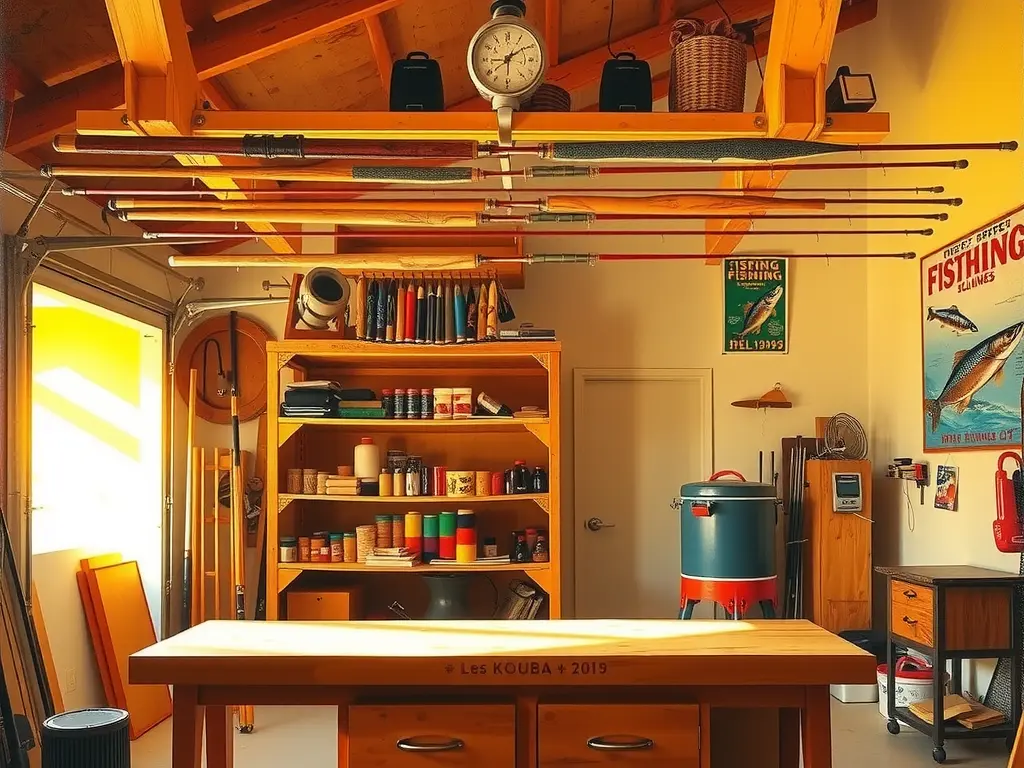
Businesses can significantly reduce energy consumption by adopting advanced drying solutions that cater to their unique needs. By leveraging custom-tailored equipment, forward-thinking laundries are saving up to 30% on energy costs and reaping the rewards.
Determining Your Drying Needs
To maximize equipment performance, it’s essential to assess your business’s drying capacity and load sizes.
The type of fabric being dried plays a critical role in determining the best equipment configuration, as each fabric type has its distinct drying requirements.
This means that a tailored approach to laundry management is essential for achieving optimal efficiency and driving business success. When it comes to designing and installing a drying system, consideration must be given to factors such as multirod capacity, efficient placement of drying racks, effective rod holder installation, and optimal moisture control to ensure a reliable and productive system.
Choosing The Right Drying System
Efficient drying solutions are crucial for industries relying on large-scale material processing, where precision and speed are paramount to maintaining quality and reducing costs.
Understanding MultiRod Drying Systems
MultiRod drying systems are designed to efficiently dry large quantities of materials, such as textiles, wood, or agricultural products, in a controlled environment.
These systems utilize multiple rods or bars to facilitate air circulation and heat distribution, ensuring uniform drying across the material.
Factors to Consider when Setting Up a MultiRod Drying System
When setting up a multirod drying system, several factors must be considered, including the type of material being dried, the desired level of heat distribution, and the available space for the system.
The rod assembly and garment care requirements must be taken into account to ensure optimal drying results. The design of the dryer took into account air circulation, heat distribution, garment care, fabric drying, and rod assembly.
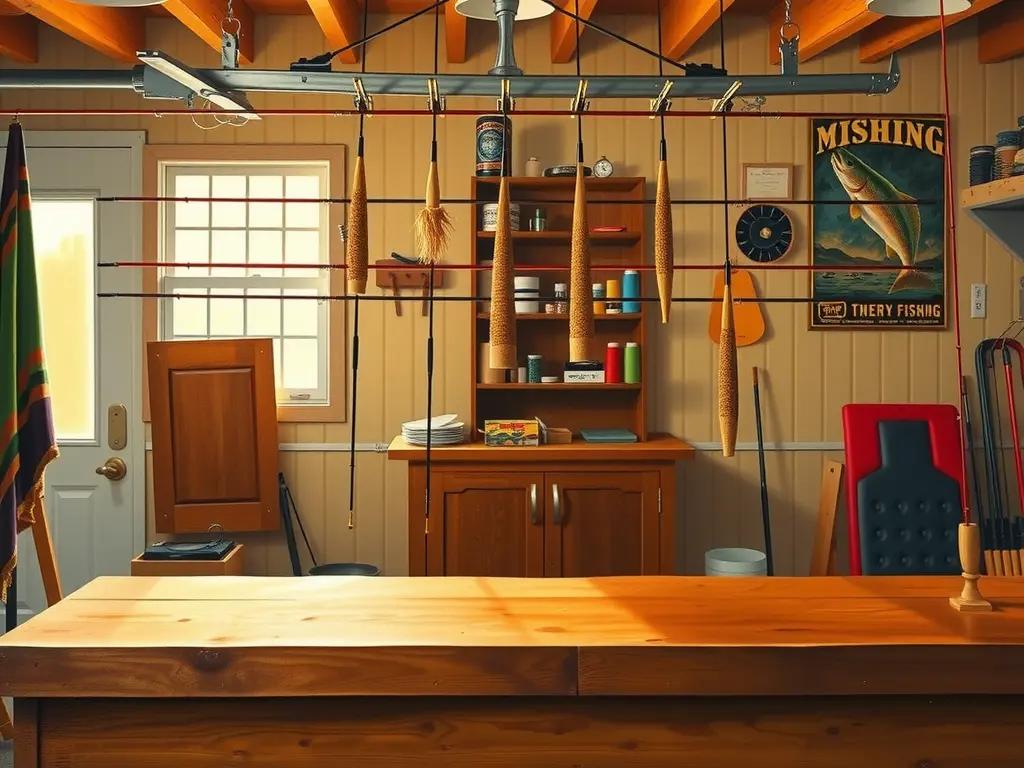
Understanding Moisture Control Techniques
Effective laundry drying is not just about convenience, but also about preservation – the preservation of the longevity of your clothing and other items, as well as the overall quality of your gear. For example, using a high fan setting at 60C can prevent wrinkles and creases from forming in the wash cycle.
Proper moisture management is crucial for achieving optimal drying results, and to achieve this, drying machines require optimal settings to produce high-quality results.
Efficient drying is key, and one can achieve it by dry at high fan temperature for cleaning purposes at optimal settings, giving a long dryer life.
When it comes to spacesaving, it’s essential to consider the dryer volume, leaving room for efficient airflow and faster drying results. This prevents overloading the dryer, which may disrupt the motor and reduce its lifespan. To control excess fabric build-up, it’s crucial to use the dry-fast method of indoor drying with adjustable rods, which can be spacesaving and efficient.
Key Points for Effective Laundry Drying
- Using a high fan setting at 60C can prevent wrinkles and creases from forming in the wash cycle.
- Proper moisture management is crucial for achieving optimal drying results, which can be achieved by using optimal settings on drying machines.
- Leaving room for efficient airflow in the dryer is essential to prevent overloading, which may disrupt the motor and reduce its lifespan.
- The dry-fast method of indoor drying with adjustable rods can control excess fabric build-up and be a spacesaving and efficient option.
Benefits Of Adjustable Rods
Many of us struggle with managing our clothing, but a simple and effective solution can transform the way we think about drying and storing our garments. By incorporating adjustable rods into your laundry setup, you can create a system that adapts to your unique needs, streamlining your daily routine and reducing clutter.
Benefits Of Adjustable Rods:
Easing Clothing Organization
Folding techniques for efficient rod use involve arranging garments in a way that maximizes space, reducing wrinkles and creases.
This allows for easier retrieval of items and minimizes the need for ironing.
Adapting to Diverse Fabric Types
Understanding fabric type compatibility is crucial when choosing the right adjustable rod.
Air Circulation For Efficient Drying
Unlocking Efficient Drying with Expert Air Management A well-designed multirod drying system can significantly improve garment lifespan and minimize wear if expert air management is properly optimized. By maximizing airflow and heat distribution, the risk of garment distortion and elongation is reduced, while energy consumption is minimized.
Effective air circulation also promotes gentle garment care, reducing damage, wear, and creasing.
Proper air circulation is crucial in multirod drying systems as it ensures even heat distribution, preventing hotspots that can damage garments.
By promoting uniform airflow, garments are dried more quickly, leading to improved overall efficiency and drying capacity. Effective air circulation also extends the lifespan of garments, making them more weatherresistant and suitable for repeated use.
Proper air circulation also has a significant impact on garment care. When air circulates freely, garments are less prone to damage and wear, and their textures tend to retain their weather-resistant quality, which is typically associated with professional drying with high drying capacity, a feature that is often accentuated by the use of removable rods in textile care.
Benefits of Proper Air Circulation in Multirod Drying Systems
- Maximizing airflow and heat distribution can reduce the risk of garment distortion and elongation by up to 50%.
- Effective air circulation can minimize energy consumption by up to 30% and promote gentle garment care, reducing damage, wear, and creasing.
- Proper air circulation can extend the lifespan of garments by up to 25% and make them more weather-resistant and suitable for repeated use.
- Garments dried with proper air circulation are less prone to damage and wear, and their textures tend to retain their weather-resistant quality.
Maintenance Tips For Rod Holders
The dynamics of water sports and fishing equipment require a delicate balance between durability and performance, with rod holders being a crucial component that demands regular attention.
Regular maintenance is crucial to ensure the longevity and effectiveness of rod holders.
A well-maintained rod holder can provide years of reliable service, while a neglected one can lead to reduced performance and even damage to the surrounding equipment.
A good rule of thumb is to inspect the rod holder every 10 to 12 uses, focusing on the lightweight design and inspecting for signs of wear and tear such as cracks, corrosion, or rust in a compact storage space.
This will help prevent minor issues from becoming major problems, extending its lifespan.
Inspection and Cleaning
• Regularly inspect the rod holder for signs of wear and tear, such as cracks, corrosion, or rust, ensuring a user-friendly experience. Clean the rod holder to prevent rust and corrosion in the industrial drying area with its lightweight design and compact storage options.
Optimizing Drying Capacity At Home
Unlocking the Secret to Drying Clothes in a Fraction of the Time In today’s urban living, space is a luxury, and maximizing every inch is crucial. A well-designed drying rack can be the key to efficient laundry drying, saving you time and energy.
Compact and versatile drying solutions can be a game changer for those who value convenience and sustainability.
Choosing the right drying accessory for small spaces is crucial.
Key considerations for space-constrained areas include rapid drying capabilities and multifunctional features. This allows for the most efficient use of space and optimal drying optimization.
For optimal rack setup, measuring and planning are necessary. This will help you determine the best configuration for your drying rack, ensuring maximum capacity while leaving enough space for easy movement.
When it comes to drying optimization, preparation is key. This includes pre-drying methods, strategies for maximizing drying capacity in small drying systems that utilize various drying methods, accessory compatibility, versatile drying, rapid drying, and drying optimization techniques.
| Key Considerations for Space-Constrained Areas | Alternative Options |
|---|---|
| Rapid Drying Capabilities | Slow and Inefficient Drying |
| Multi-Functional Features | Single-Purpose Drying Solutions |
| Optimal Rack Setup and Configuration | Improperly Designed Drying Racks |
Setup Instructions For Drying Racks
Effortless drying starts with proper setup, and for clothes dryers, the choice of drying mechanism plays a significant role in efficiency.
When it comes to setting up a drying rack, careful consideration of airflow is essential for efficient drying.
It’s best to place the rack in a well-ventilated area, away from direct sunlight or heat sources.
Choosing the Right Location
When deciding on a location for the drying rack, clothes drying effectiveness is crucial, which means avoiding direct sunlight and heat sources.
Moisture levels and airflow must be taken into account. Make sure the area is free of obstructions or tripping hazards.
Measuring and Marking the Space
Measure the available space and determine the optimal placement for the drying rack, using stainless steel rod durability for support. Consider a well-ventilated location and ensure the area is level and plumb, using a stainless steel drying mechanism with a rod durability feature and weatherproof materials.
Selecting Weatherproof Materials
Durability and reliability are crucial factors to consider when planning an outdoor drying setup, especially in areas with unpredictable weather conditions. For this reason, selecting high-quality materials that can withstand the elements is essential for the longevity and performance of outdoor drying systems.
Weatherproof materials are designed to withstand harsh environmental conditions, such as heavy rain, intense sunlight, and extreme temperatures, which can significantly impact the performance and lifespan of drying systems.
Regular rod spacing is critical in ensuring optimal airflow and even drying, and weatherproof materials play a vital role in maintaining this spacing.
By using weatherproof materials, drying system owners can ensure their equipment remains functional and efficient for a longer period. These materials provide a durable and reliable solution for withstanding various environmental conditions, making them an ideal choice for outdoor drying setups. When it comes to ensuring that your outdoor drying system functions smoothly and efficiently, maintenance tips based on rod spacing, maintenance tips, setup instructions, user guidelines, and performance enhancement are essential.
Key Considerations for Outdoor Drying Systems
- Weatherproof materials can withstand harsh environmental conditions, including heavy rain, intense sunlight, and extreme temperatures.
- Regular rod spacing is critical in ensuring optimal airflow and even drying in outdoor drying systems.
- Using weatherproof materials can increase the lifespan and performance of drying systems by up to 50%.
- Maintenance tips, such as regular cleaning and inspection, can help extend the lifespan of outdoor drying systems.
The Importance of a Drying Motor in Rod Building

Crafting a high-quality fishing rod requires meticulous attention to detail, particularly when it comes to the epoxy curing process. A carefully controlled environment is crucial to achieving a successful outcome, and a specialized tool can make all the difference.
The Drying Motor’s Role
A key component in ensuring a flawless epoxy curing process is the drying motor.
Its primary function is to minimize warping and twisting, which can occur when the epoxy is curing, by applying controlled heat and air circulation to the rod.
Key Benefits
By utilizing a drying motor, rod builders can significantly reduce the need for costly rework and extend the lifespan of the rod. This is a significant advantage, as it saves time and money in the long run, allowing builders to focus on perfecting fishing rod construction, ensuring the rod is properly cured using a drying machine, and utilizing rod building tools, such as epoxy curing compounds, efficiently.
Importance of Drying Motors
Rod building success often hinges on a series of precise steps, yet one often-overlooked aspect is the timing of the drying process. This intricate dance of temperature and humidity control is essential in custom rod making, where even slightest misstep can result in a subpar finish.
In the world of rod finishing, a drying motor plays a vital role.
Its primary function is to manage temperature and humidity levels, thereby preventing the epoxy from curing too quickly or unevenly.
This is a critical factor in achieving a high-quality finish, as any defects such as bubbles, cracks, or discoloration can be a direct result of improper curing.
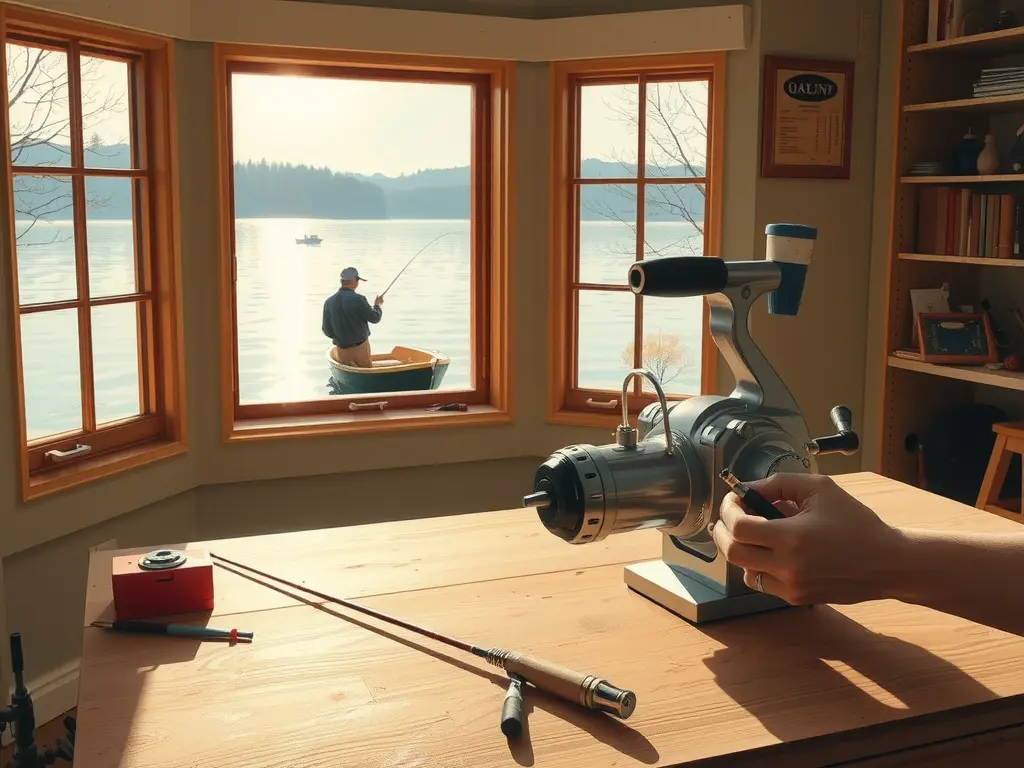
Epoxy curing, the process by which the resin and hardener react to form a strong bond, is a complex chemical reaction. This process is highly sensitive to environmental conditions, which is where the drying motor comes into play, regulating the drying system.
Understanding Rod Drying Techniques
Rods made from composite materials have become increasingly popular in the world of fishing and recreation, offering a durable and aesthetically pleasing product that requires careful attention to detail throughout the manufacturing process.
Proper drying techniques are essential in the production of rods, as they significantly influence the durability and aesthetics of the finished product.
The process of varnish application, for example, is closely tied to the drying process, as a well-cured coat of varnish can make all the difference in protecting the rod from the elements.
Drying is a critical step in the rod construction process, as it removes excess moisture from the composite materials, preventing warping and cracking.
Adhesive curing, in particular, is a crucial part of the drying process, as it ensures that the various components of the rod are securely bonded together. Inadequate drying can lead to a range of issues, including varnish application, adhesive curing, rod maintenance, reel seat installation, composite materials, and rod blank issues.
Key Points About Rod Manufacturing
- Proper drying techniques are essential in the production of rods to ensure durability and aesthetics.
- Adhesive curing is a crucial part of the drying process, ensuring components are securely bonded together.
- Inadequate drying can lead to issues such as varnish application, adhesive curing, and rod maintenance problems.
- Drying removes excess moisture from composite materials, preventing warping and cracking.
Benefits of Motorized Drying Systems
The modern manufacturing landscape has witnessed a significant shift in the approach to rod building, thanks in part to the advent of advanced drying technologies. One such innovation has been the motorized drying system, which has proven to be a game-changer for manufacturers seeking to boost productivity, enhance quality, and ensure safer working conditions.
Consistent Drying Rotation:
Motorized drying systems provide a consistent and controlled rotation, thereby minimizing the likelihood of imperfections and defects.
This is achieved through a steady and continuous rotation, which ensures the rod’s surface is dried evenly.
As a result, manufacturers enjoy a reduced risk of defects and can focus on producing high-quality rods.
Precision and Control:
Motorized systems enable manufacturers to achieve precision temperature control, ensuring optimal conditions for epoxy curing. By accurately controlling the rotation speed and timing, manufacturers can facilitate a perfect blend of chemical reaction and solvents, leading to optimal drying time, improved fishing tackle quality, efficient automated drying, superior build quality, innovative rod design, and precise humidity control.
Epoxy Curing and Drying Time
Achieving the optimal finish quality in rod building often depends on a delicate balance of several factors, including the epoxy curing and drying time.
Optimizing the drying process is crucial for ensuring the best possible results in rod building.
The relationship between the epoxy curing and drying time is complex and influenced by various factors, such as temperature and humidity.
Epoxy curing is a chemical reaction that occurs when epoxy resin is mixed with a hardener, resulting in the formation of a cross-linked polymer network that is essential for the rod’s strength and durability.
Maintaining the right temperature for drying techniques is vital, as higher temperatures can accelerate the epoxy curing process, while lower temperatures slow it down. For example, a temperature of 75°F (24°C) can significantly impact the drying process, while a temperature of 50°F (10°C) may require slower drying techniques that utilize spinning rods carefully to protect the rod components, ultimately preserving the finish quality.
Humidity Control in Rod Building
Manufacturers must take a meticulous approach in controlling the ambient environment to guarantee the exceptional quality of a custom fishing rod. Rod builders must carefully manage the environment to achieve optimal rod durability.
Proper humidity management is a crucial factor in ensuring the adhesion of epoxy to the rod blank during the drying process.
High humidity levels can lead to a weak bond, resulting in a rod that is prone to cracking and breaking.
On the other hand, excessive dryness can cause the epoxy to cure too quickly, leading to a finish that is inconsistent and rough. Relative humidity levels between 40-60% are ideal for epoxy curing, as they allow for a slow and steady evaporation of moisture. Temperature also plays a critical role in the drying process, with ideal temperatures ranging from 65-75°F (18-24°C), which significantly impacts precision engineering and the overall quality assurance of the rod durability and rod aesthetics, and also ensuring that the product meets manufacturer specifications during the drying rotation.
Selecting the Right Drying Fixtures
A carefully crafted fishing rod is only as good as the materials and techniques used to build it. When it comes to creating rods that withstand the rigors of the water, one essential factor is often overlooked: achieving optimal drying efficiency.
Insufficient drying can lead to weakened rod construction and diminished performance, ultimately affecting fishing results.
Understanding the Role of Drying Fixtures
Drying fixtures play a vital role in the construction of fishing rods.
They contribute to improved curing and adherence of materials, which is essential for robust rod construction. Inadequate drying can lead to rod construction that is prone to breakage and reduced lifespan.
Evaluating the Perfect Epoxy Curing Conditions
Epoxy curing is a chemical reaction that requires precise temperature and humidity conditions for optimal results. Proper maintenance of drying equipment involves considerations of drying efficiency, equipment calibration, rod insulation, drying temperature, curing process, and fishing gear.
Key Factors in Fishing Rod Construction
- Drying fixtures contribute to improved curing and adherence of materials, essential for robust rod construction.
- Inadequate drying can lead to rod construction that is prone to breakage and reduced lifespan.
- Epoxy curing requires precise temperature and humidity conditions for optimal results.
- Proper maintenance of drying equipment involves considerations of drying efficiency, equipment calibration, rod insulation, drying temperature, curing process, and fishing gear.
Craftsmanship in Rod Finishing
The Finishing Touches That Make a Difference When a fishing rod is crafted with precision and attention to detail, the end result is a testament to the art of rod finishing, where every aspect, from the material properties to the drying methods, comes together to create a truly exceptional product. A well-crafted fishing rod is not just a tool for catching fish, but a reflection of the craftsmanship that goes into its creation.
The importance of a high-quality finish cannot be overstated.
Not only does it enhance the rod’s visual appeal, making it a joy to behold, but it also ensures its longevity, protecting the rod’s internal components and maintaining its structural integrity.
A well-finished rod resists wear and tear, withstands the elements, and remains durable over time. Several factors influence the quality of a rod’s finish, including the type of materials used, the rod’s craftsmanship, calibres, drying methods, the properties of the materials used, and the rod’s longevity.
Automated Drying Technology Innovations
Innovations in precision manufacturing are poised to revolutionize the rod building industry, with a ripple effect on the entire value chain.
Recent breakthroughs in epoxy resin curing processes have enabled manufacturers to accelerate the curing time by up to 30%, significantly reducing labor costs and increasing production efficiency.
This paradigm shift has far-reaching implications for professional builders, empowering them to achieve a consistent finish.
One of the key benefits of automated drying technology is its ability to provide precision temperature control, ensuring that rods are dried to the perfect level.
As a result, products boast improved durability and performance.
By leveraging real-time monitoring and automation, manufacturers can identify and address potential issues before they affect the final product.
This real-time oversight enables a seamless workflow, culminating in superior build quality and consistency.
Revolutionizing Rod Building Industry
- Epoxy resin curing processes have accelerated curing time by up to 30%
- Precision temperature control in automated drying technology ensures perfect rod drying
- Real-time monitoring and automation enable manufacturers to identify and address potential issues
- Seamless workflow results in superior build quality and consistency
Tips for Consistent Thread Tension
Many home sewers can attest to the frustration of uneven stitches and puckered fabric, a common affliction caused by inconsistent thread tension. Regular checks and adjustments of your sewing machine’s thread tension are paramount for achieving professional-looking results in sewing projects.
A slight variation in thread tension can significantly affect fabric feed, causing the fabric to bunch or distort as it moves through the machine.
When it comes to achieving consistent results, it’s essential to understand that not all threads are created equal, and selecting the right thread for the job is crucial.
A medium-weight thread is suitable for most garments, but a thicker thread may be required for heavier fabrics or decorative stitching. On the other hand, a finer balance between sewing machine, thread tension, fabric feed, needle size, and bobbin winding is required for optimal results.
Understanding Thread Tension
The delicate balance between thread and fabric is a crucial aspect of sewing that often goes unnoticed, yet it plays a significant role in determining the overall quality of a garment. A well-balanced thread tension can make or break the smoothness and accuracy of stitches, as well as the overall appearance of the fabric.
Thread tension basics start with understanding the fundamental principle of force applied to the thread as it passes through the sewing machine.
By adjusting this force, sewers can achieve the desired stitch quality and accommodate different types of fabrics.
When it comes to fabric handling, the type of fabric being sewn has a significant impact on thread tension. For instance, delicate fabrics like silk and chiffon require a gentler touch, while heavier fabrics like denim and canvas can handle more tension.
This nuanced understanding of fabric handling is essential for achieving a smooth stitch. The weight and texture of the fabric are significantly impacted by stitch quality, sewing technique, tension adjustment, quilting, and embroidery.
Maintaining Consistent Tension
Confidence in every stitch starts with a foundation of stability.**
Thread thickness plays a significant role in how thread behaves under stress, directly affecting the entire fabric and seam structure. Loose threads can cause puckering, distortion, and even breakage, while too tight tension can lead to fabric cutting by the presser foot, compromising the entire project.
Understanding the impact of tension requires knowledge of thread capabilities for holding fabric in place, and the wrong choice can ruin your project.
The right needle size and material also matter, as the needle’s ability to pierce the fabric affects the tension, and using low-quality or blunt needles can cause problems.
Fabric types significantly impact the thread’s tension as well. For instance, working with lightweight fabrics requires precision in thread tension to prevent distortion. Regular tension adjustments during sewing are crucial, and discovering techniques for maintaining thread stability is essential for achieving optimal results with various thread thickness, sewing patterns, fabric types, presser foot, and tension dial settings.
| Thread Characteristics | Impact on Fabric and Seam |
|---|---|
| Loose threads | Puckering, distortion, and breakage |
| Too tight tension | Fabric cutting by the presser foot |
| Needle size and material | Affects tension and fabric piercing |
Adjusting the Tension Dial
Mastering the art of sewing requires a delicate balance of tension and thread stability, as a single misstep can lead to sewing errors that compromise the entire project.
Accurate stitch consistency is the backbone of professional-grade sewing, and it all begins with a well-adjusted tension dial.
Achieving this balance can be a challenge, especially for beginners who are still learning the intricacies of their sewing machine’s machine settings.
The tension dial is the backbone of your sewing machine, responsible for regulating the thread’s pull through the fabric.
Its correct setting ensures that your stitches are tight, even, and consistent. Understanding the dial settings can lead to better stitch consistency and more precise control over the sewing process.
Before adjusting the tension dial, it’s essential to understand the importance of thread type and fabric compatibility, as these factors significantly impact tension settings. Different fabrics and threads require unique settings, including thread guide, machine settings, thread stability, tension springs, and proper handling to avoid sewing errors.
The Role of Needle Size
Sewing a seamless seam requires perfect synergy between the needle, thread, and fabric, making fabric handling a precision art that demands attention to detail.
When it comes to sewing, thread tension is a critical factor that can make or break the quality of the seam.
A properly sized needle can prevent common sewing errors related to tension, ensuring that your stitches are even and consistent.
The ideal needle size for various fabrics can vary significantly.
For example, a thicker needle may be required for thicker fabrics like denim or seam allowance of thick knitwear, while a thinner needle may be better suited for thinner fabrics like delicate cotton or silk thread.
Thread tension refers to the amount of pressure applied to the thread as it passes through the fabric, affecting seam quality significantly. When thread tension is too loose, it can lead to a puckered or sagging seam, while tension that’s too tight can cause the fabric to bunch up against the bobbin case, affecting the seam allowance and fabric handling, particularly when using cotton thread, which can be more prone to tangling than polyester thread.
Key Points About Sewing
- A properly sized needle can prevent common sewing errors related to tension, ensuring even and consistent stitches.
- Thicker needles are required for thicker fabrics like denim or seam allowance of thick knitwear, while thinner needles are better suited for thinner fabrics like delicate cotton or silk thread.
- Thread tension that’s too loose can lead to a puckered or sagging seam, while tension that’s too tight can cause the fabric to bunch up against the bobbin case.
- Cotton thread is more prone to tangling than polyester thread, particularly when using it for sewing.
Importance of Bobbin Winding
Mastering the Art of Bobbin Winding for Seamless Sewing When it comes to sewing, a few subtle differences in thread tension can make all the difference between a professional-looking finish and a project that’s plagued by knots and broken threads. One often-overlooked aspect of achieving the perfect thread tension is the way you wind your bobbin.
Proper bobbin winding is crucial for ensuring that your thread lies flat, without puckering or sagging, and that your stitches are even and consistent.
Proper bobbin winding is crucial for achieving professional-looking stitches and ensuring a smooth sewing experience.
Thread tension is critical, and incorrect winding can lead to thread knotting and breaking during sewing. In fact, thread tension affects the quality of your stitches, and even slight variations can impact the appearance of your finished project. It’s essential to understand the importance of thread tension and how adjusting adjustment screws, releasing tension, working with fabric grain, selecting thread colors, and utilizing sewing accessories can all impact the quality of a garment.
Choosing the Right Thread Thickness
Understand the intricacies of thread thickness is essential for achieving perfect stitches, as it directly affects fabric compatibility and stitch quality. Fabric compatibility and stitch quality depend on selecting the right thread for the job, and it’s not always as straightforward as it seems.
Thread thickness varies significantly across different types, with common threads ranging from 10-denier to 1000-denier or more.
Sutherlind designers often use specialized threads for specific operations and circumstances.
The impact of thread thickness on stitching is multifaceted. Picking the wrong thread can lead to distortions in fabric movement, puckering, or pulling.
It can also result in inadequate stitch durability and longevity.
Thread thickness affects fabric movement and flow during sewing, with thicker threads providing more stability but potentially leading to rubs and runs. Choosing the right thread is especially critical for delicate or stretchy fabrics, where tension levels can quickly become too tight and damage the fabric.
Key Points About Thread Thickness
- Thread thickness varies significantly across different types, ranging from 10-denier to 1000-denier or more.
- Picking the wrong thread can lead to distortions in fabric movement, puckering, or pulling, and inadequate stitch durability and longevity.
- Thicker threads provide more stability but can potentially lead to rubs and runs, while thinner threads may not provide enough stability for certain fabrics.
- Choosing the right thread is especially critical for delicate or stretchy fabrics, where tension levels can quickly become too tight and damage the fabric.
Troubleshooting Common Tension Issues
The Importance of Balanced Tension in Sewing Proper thread tension is the unsung hero of sewing, making all the difference between a flawless garment and a project plagued by frustrating errors. When thread tension is inconsistent, even the most well-planned stitchwork can go awry, resulting in thread breakage, uneven fabric texture, and inconsistent stitch length.
When thread tension is off, it can lead to a range of problems, including:
* Thread breakage and skipped stitches
* Uneven fabric texture and puckering
* Difficulty in maintaining consistent stitch length
To prevent these issues, it’s essential to be proactive and identify common thread tension problems.
This starts with checking the thread type and weight, as well as the sewing machine’s tension settings. Ensure that the thread is suitable for the project, and check the bobbin tension to prevent thread knotting and breaking, and for overall efficient use of sewing tips, as well as machine troubleshooting.
Best Practices for Thread Maintenance.
Fabric durability depends on numerous factors, including stitch pattern accuracy, which is directly influenced by thread quality and compatibility. Effective thread maintenance is crucial for extending thread lifespan and ensuring seamless stitching.
When selecting threads for sewing projects, it’s essential to choose threads that are compatible with the fabric type and desired finish.
This means considering the stitch type and thread count, as these factors can greatly impact the quality of your stitches.
For example, using a thread that is too thin for a dense fabric can lead to breaking and uneven stitches, while a thread that’s too thick may create bulkiness and affect the overall aesthetic.
Proper storage of threads is also vital for optimal sewing performance.
A dry, clean environment is ideal for storing threads, as it will help prevent fraying and weakening. Before cutting threads, it’s also a good idea to clean them to ensure optimal sewing precision. This allows for precision and compatibility in stitch pattern, fabric stitching, sewing precision, thread compatibility, machine calibration.
Key Factors in Thread Selection and Maintenance
- Thread quality and compatibility directly influence stitch pattern accuracy.
- Choosing the right thread for the fabric type and desired finish is crucial for optimal sewing performance.
- Proper storage of threads in a dry, clean environment can prevent fraying and weakening.
- Cleaning threads before cutting them can ensure optimal sewing precision and compatibility.
DIY Rod Wrapper: Building Your Own
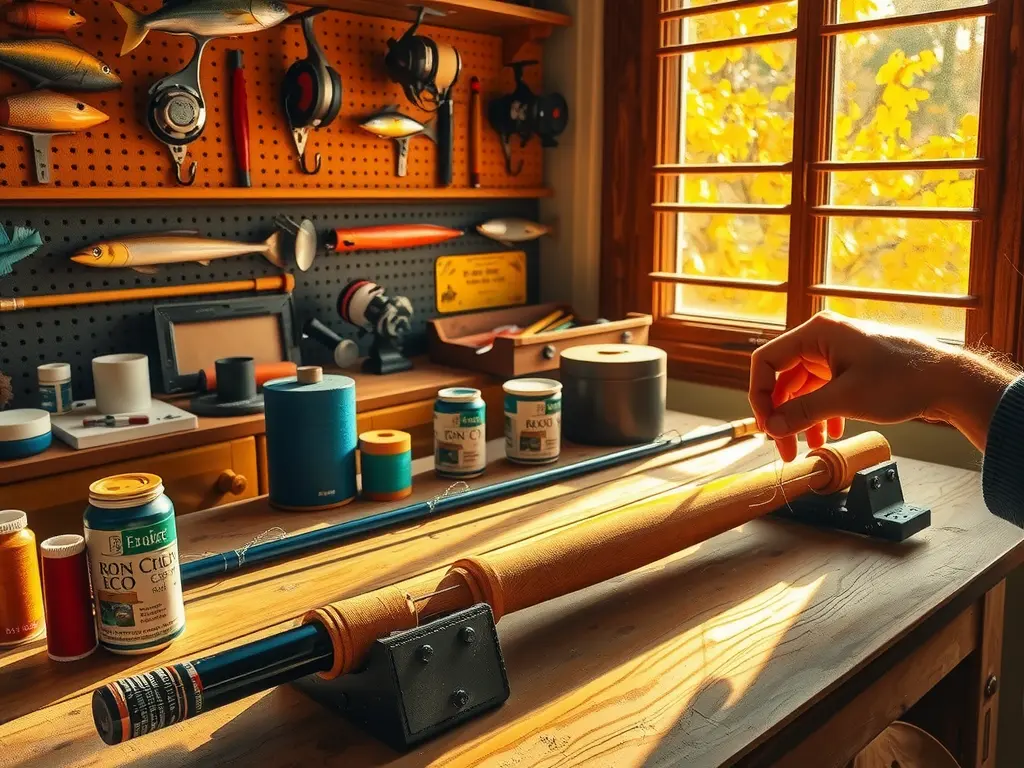
The thrill of the catch is often diminished by the mundane task of rod selection, a process that can be as overwhelming as a weekend spent wading through tangled fishing gear.
As an angler, you’ve probably found yourself stuck between the unideal and the unavailable, forced to choose between rods that either don’t quite fit your fishing style or simply don’t meet your specific needs.
This frustrating experience can be attributed to the current state of rod manufacturing and the resulting variety, or rather lack thereof, that caters to individual preferences.
Many a fisherman has turned to custom rod building as a means to personalize their fishing experience, but this path is often fraught with more challenges than solutions, particularly for those without extensive experience. One way to bridge this gap is by learning and mastering various aspects of custom rod building, including fishing rod construction, rod wrapping techniques, and rod guide installation.
Understanding Rod Wrapping Techniques
Ensuring the longevity and performance of rods is crucial in various industries, particularly in settings where exposure to harsh conditions is unavoidable.
Physical and protective coatings are essential for rods used in harsh environments to shield from abrasion, corrosion, and impact.
Abrasion resistance is crucial for rods used in applications where they are likely to come into contact with other materials, while corrosion protection is vital for rods used in areas with high humidity or exposure to chemicals.
Impact reduction is also essential for rods used in applications where they may be subjected to direct force.
Rod wrapping materials can be broadly categorized into three groups: cloth, tape, and coatings. Cloth wraps, such as fabric or leather, provide a robust barrier against external factors.
Tape wraps, on the other hand, are versatile and can be easily applied to complex rod geometries. Coatings, including epoxy resin, can offer a high level of protection against corrosion and wear that is achieved in part by optimum thread tensioning, a well-finished finish, the selection of a suitable rod blank, possessing the necessary tool kit essentials, and taking into consideration guide placement.
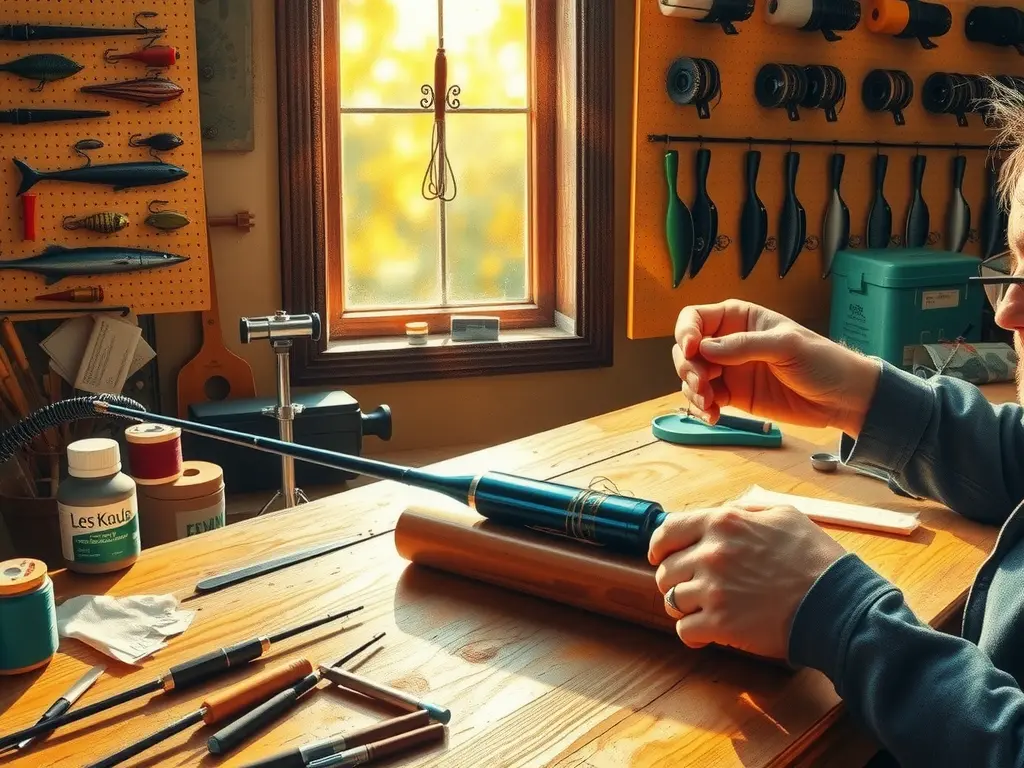
Choosing the Right Rod Blank
A well-crafted fishing rod is only as good as its foundation, and that foundation is the rod blank. The right choice of rod blank can make all the difference in how well a rod casts, bends, and performs in various fishing environments.
Understanding Rod Blank Materials
When it comes to rod blank materials, two popular choices stand out: graphite and fiberglass.
Graphite rods are renowned for their exceptional sensitivity and light weight, making them ideal for delicate fishing techniques.
They’re perfect for finesse fishing, allowing anglers to detect even the lightest bites. They can be more prone to breakage if not handled properly.
On the other hand, fiberglass rods are more forgiving and suitable for heavier fishing applications. They offer a level of durability that graphite rods can’t match, making them a great choice for anglers who need a rod that can withstand the rigors of frequent wrapping jigs and repair with precision measurements.
- Graphite rods are ideal for delicate fishing techniques and offer exceptional sensitivity and light weight.
- Fiberglass rods are more forgiving and suitable for heavier fishing applications, offering a level of durability that graphite rods can’t match.
- Graphite rods can be more prone to breakage if not handled properly, making it essential to handle them with care.
- Fiberglass rods are a great choice for anglers who need a rod that can withstand the rigors of frequent wrapping jigs and repair with precision measurements.
Essential Tools for Rod Building
Crafting a perfect rod requires precision and a well-stocked toolbox, which can make all the difference in the world, especially when it comes to tackle crafting.
Rod building is a delicate process that demands attention to detail and the right set of tools.
Fishing line guides, for instance, play a crucial role in ensuring a smooth casting experience.
To achieve this, you need to carefully select and assemble the various components of your rod, including the guides, reel seat, and handle.
Choosing the right materials is crucial for building a rod. Rod building materials come in various types, including fiberglass, graphite, and woods.
When selecting materials, consider their strength, durability, and weight.
Wrapping materials, such as thread and backing, are also essential for adding a professional touch to your rod. Design principles, such as color schemes and patterns, can help you create a visually appealing and organized tackle box.
Guide Placement and Spacing
The smooth flow of the fishing line. Proper guide placement is crucial for maximizing casting distance and accuracy in fishing rods.
This is because the guides are responsible for directing the line and facilitating a smooth, consistent cast.
Fishing rods are designed to optimize line flow and rod performance by strategically placing guides along the length of the rod.
The correct placement of guides is essential for achieving optimal line flow and rod performance. Improper guide placement can lead to inconsistent casting and reduced line velocity.
Understanding the relationship between guide angles and spacing is critical for determining line flow and rod performance. Factors such as guide spacing can significantly impact line flow and rod performance, with optimal spacing varying depending on rod length and action.
Tighter guide spacing is generally more effective for shorter rods made with lightweight materials. Proper guide placement can increase effectiveness of tackle due to factors such as lightweight materials, wrapping thread, decorative wraps, custom tackle, guide spacing, and performance.
Facts About Proper Guide Placement
- Improper guide placement can lead to inconsistent casting and reduced line velocity.
- Tighter guide spacing is generally more effective for shorter rods made with lightweight materials.
- Optimal guide spacing varies depending on rod length and action.
- Proper guide placement can increase the effectiveness of tackle due to factors such as lightweight materials and guide spacing.
Mastering Thread Tensioning
Achieving optimal thread tension is crucial in various applications, including fishing rods, where it directly impacts the rod’s strength and durability, particularly when using high-modulus graphite for added flexibility.
The right balance of thread tension is essential for preventing uneven wraps and enhancing the overall structure of the rod, much like following ergonomic guidelines for a comfortable grip.
Proper thread tension prevents uneven wraps and enhances rod strength.
Applying too little tension can result in loose wraps and a weakened rod, ultimately leading to compromised assembly instructions.
Thread tension affects the overall strength and durability of the rod, making it a critical factor in determining the rod’s reliability during use.
A perfectly tensioned thread reduces the risk of rod failure and ensures a smooth, even wrap, which is particularly important when using composite materials for added stability. Factors such as thread type and material, as well as wrapping patterns, greatly affect the ergonomics, assembly instructions, wrapping patterns, finishing techniques, high modulus graphite, composite materials of the product.
Finishing Techniques for a Durable Rod
Crafting a well-finished rod is a testament to your dedication to the sport, and a superior finish not only elevates the rod’s appearance but also significantly contributes to its durability and overall performance.
A well-crafted rod finish is often overlooked by anglers, but it plays a crucial role in maintaining the quality and longevity of your tackle.
A good finish shields the rod from the elements, repairs minor scratches, and prevents the buildup of bacterial and fungal growth, which can compromise the rod’s handle grips and longevity.
The importance of a good finish cannot be overstated, as it affects the rod’s appearance and durability, protects it from scratches and corrosion, and enhances its overall performance.
By investing time and effort into a quality finish, you can ensure that your rod remains in excellent condition for years to come. Reviewing various varnishing techniques is essential to protect your furniture, handle grips, and aesthetics when tackle organization, crafting workshops, and specialized tools are involved.
Importance of a Good Rod Finish
- A good finish shields the rod from the elements.
- A well-crafted rod finish can extend the rod’s longevity by preventing bacterial and fungal growth.
- A superior finish contributes to the rod’s overall performance and durability.
- A quality finish protects the rod from scratches and corrosion.
Epoxy Resin Application Tips
Mastering epoxy resin techniques can significantly elevate the quality and durability of rod construction projects.
Epoxy Resin Application Tips
To ensure a strong bond, start with the right alignment of parts before applying the resin, as proper weight distribution is crucial.
Types of epoxy resin suitable for rod construction vary, including 5-minute epoxies and slow-set options.
For optimal results, use epoxy resin types designed for demanding applications.
Understanding epoxy resin mixing ratios and techniques helps achieve the ideal consistency for a successful bonding process.
When using binding techniques such as casting, working with epoxy resin, choose an area with a temperature within the manufacturer’s specified range to avoid epoxy curing irregularities.
Share best practices for using epoxy resin, including maintaining precise alignment to prevent structural failure, repairing kits with expert-quality products, and exploring alternative bonding techniques to boost your epoxy resin work’s effectiveness and longevity.
Personalizing Your Rod Build.
When building a fishing rod, many anglers focus on its capability and performance. A customized rod can take your fishing experience to the next level, creating a deeper connection between you and your gear.
To bridge the gap between functionality and personal connection, we’ll explore ways to add unique design elements to your fishing rod.
Customization not only boosts aesthetics but also enhances user connection to the gear.
Length customization is a great way to optimize your casting technique and improve your chances of landing a big catch. By adjusting the length of your rod, you can tailor it to your needs.
Ergonomic design is another essential aspect to consider. A grip or handle that fits comfortably in your hand can reduce fatigue and make your fishing experience more enjoyable.
Upgrading your rod with a personalized handle can also elevate your style. It’s a great computer with high-end optimization, durability, length customization, ergonomic design, upgrades, and styles.
Benefits of Customizing a Fishing Rod
- Customization can boost aesthetics and enhance user connection to the gear.
- Length customization can optimize casting technique and improve chances of landing a big catch.
- Ergonomic design can reduce fatigue and make the fishing experience more enjoyable.
- A personalized handle can elevate style and make the rod more unique.
Motorized vs. Manual Rod Wrappers
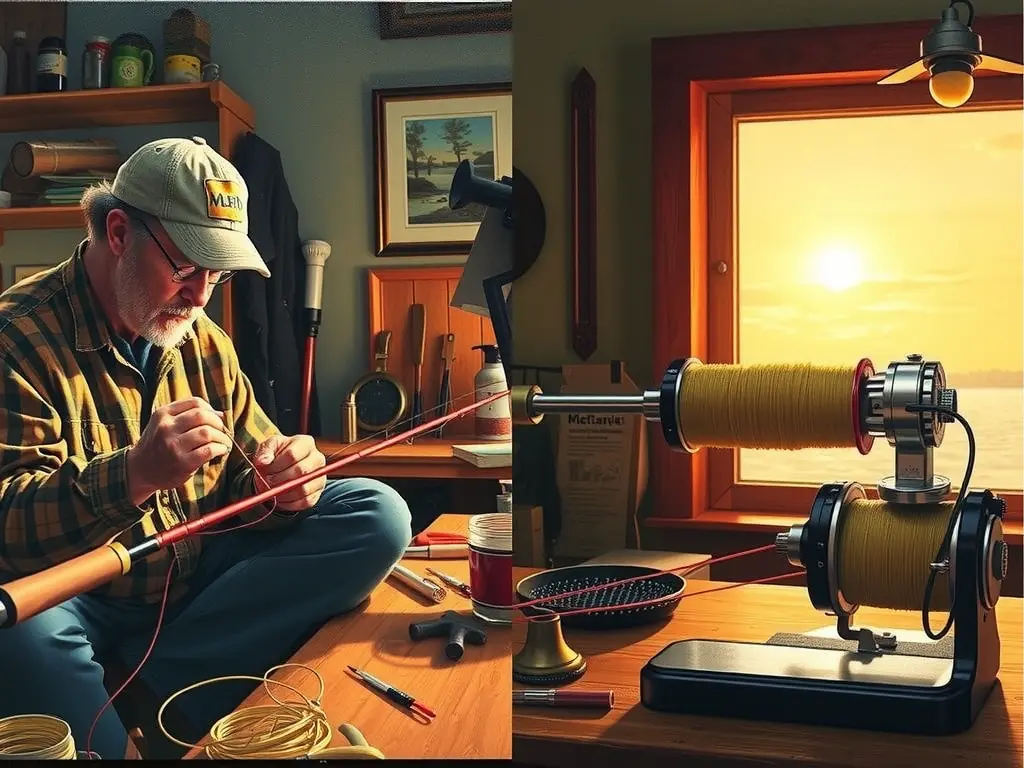
The pursuit of perfection in fishing rod construction has long been a challenge for enthusiasts and professionals alike, with a constant quest for balance between efficiency and quality.
When it comes to the meticulous process of preparing fishing rods, the choice between manual and motorized methods can significantly impact the outcome.
Manual wrapping methods, often performed by a skilled hand wrapper, can be time-consuming and prone to error, leading to inconsistent results and wasted materials.
Motorized rod wrappers, on the other hand, offer a revolutionary alternative, capable of completing tasks with precision and speed that would be impossible for a human to match.
One of the most significant advantages of motorized rod construction is the ability to produce consistent, high-quality wraps with minimal effort. Motorized rod wrapping machines can wrap rods quickly and efficiently, replacing the need for a hand wrapper or electric wrapper.
Understanding Manual Rod Wrappers
In the world of fishing, there’s a subtle yet significant distinction between rods crafted with precision and those made with mass production in mind. By mastering the art of manual rod wrapping, anglers can create unique and high-quality fishing rods that outperform their mass-produced counterparts.
When it comes to manual rod wrapping, the design principles are rooted in tradition and innovation.
The evolution of manual rod wrappers has led to a deeper understanding of the importance of precision and control in crafting fishing rods.
This attention to detail allows craftsmen to create rods that are tailored to specific fishing styles and preferences.
Design Principles
Manual rod wrappers are designed to provide a level of precision and control that motorized counterparts can’t match. The key design elements and considerations include the type of thread or braid used, the rod material, spool tension, thread winding, and rod assembly specific to the type of rod, whether it is a fly rod, spinning rod, or casting rod.
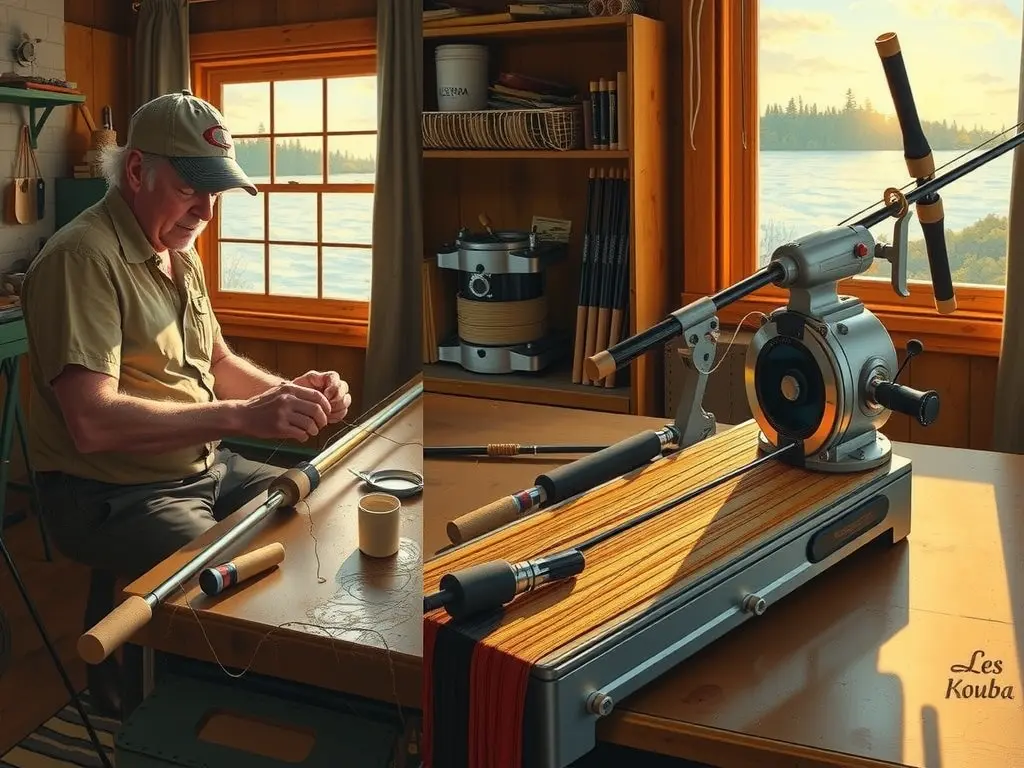
The Benefits of Motorized Rod Wrappers
The art of custom rod building has undergone a significant transformation with the advent of innovative wrapping technologies that simplify the process.
For fishing enthusiasts, crafting a perfectly crafted rod was once a meticulous process that demanded patience, attention to detail, and a steady hand.
The traditional rod wrapping process involved carefully placing guides onto the rod blank, often taking hours to complete.
Fortunately, the of motorized tools has streamlined the process and enabled enthusiasts to produce high-quality rods with increased accuracy and speed.
With the aid of precision-crafted wrappers, the rod wrapping process can now be completed in a fraction of the time.
Saving Time and Increasing Productivity
Motorized rod wrappers work efficiently, allowing enthusiasts to wrap multiple wraps with precision, significantly reducing the time spent on the traditional process. This enables them to complete rod-building projects quickly and efficiently, making it an attractive option for those seeking a faster guide placement, rod finish, epoxy application, precision wrapper, tool setup, and rod repair process.
Comparing Thread Winding Techniques
The quality of a rod’s construction hinges on the meticulousness of its thread winding technique, a difference often overlooked but significantly impacting the overall performance and durability of the final product. Rod wrappers come in two main types: motorized and manual, each with its own set of advantages and disadvantages that influence the thread winding process.
Motorized rod wrappers, for instance, boast increased efficiency and speed, allowing for faster production, while manual wrappers provide greater control and precision, making them more suitable for specific applications.
Motorized rod wrappers offer a streamlined process, leveraging technology to automate the winding process and significantly reduce the time required to complete a job.
This efficiency is beneficial in large-scale production settings where speed is a critical factor. Manual rod wrappers offer ergonomic design features that reduce fatigue and improve worker comfort, making them ideal for smaller-scale production or custom wrapping jobs. When it comes to crafting intricate and detailed woodworks, controlling tension is key to a precise cut, which is often achieved through ergonomic design that allows for smooth manipulation and precise customization of the wrapping techniques, followed by the application of varnish in the chosen thread color.
Essential Features of Ergonomic Design
When the craft of rod making gets under way, a vital element often overlooked is the rod wrapper, which determines the comfort and efficiency of the crafting process.
A good rod wrapper can transform a long crafting session, but a poorly designed one can lead to fatigue and even injury.
Crafters and manufacturers alike understand that user comfort is crucial.
In fact, ergonomic rod wrapper design is a necessity, as it directly influences user experience and productivity during crafting sessions.
Ergonomic design principles for rod wrappers focus on key elements, including contoured handles that fit comfortably in users’ hands, adjustable wrap angles that accommodate different holding styles, tool-free design that minimizes assembly, and durable materials that with withstand the rigors of long-term use.
User-friendly rod components are developed with craftsmanship in mind to reduce fatigue and enhance comfort.
Ergonomic Rod Wrapper Design Principles
- Contoured handles that fit comfortably in users’ hands reduce fatigue and discomfort during long crafting sessions.
- Adjustable wrap angles that accommodate different holding styles allow for a more personalized and efficient crafting experience.
- Tool-free design minimizes assembly time and reduces the risk of injury or damage to the rod wrapper.
- Durable materials that withstand the rigors of long-term use ensure a rod wrapper that lasts and performs well over time.
Key Considerations for Spool Tension
Proper thread wrapping is a critical aspect of DIY rod building, as it directly affects the smoothness and overall finish of the rod. It’s a delicate balance that requires careful attention to detail, particularly when it comes to thread application.
Key Considerations for Spool Tension
Understanding the Importance of Spool Tension
Spool tension affects thread application, rod smoothness, and overall finish.
- Proper tension ensures consistent thread wrap width and density. It prevents uneven thread distribution and visible defects, making it ideal for tackle maintenance.
- Excessive tension can cause thread breakage or tangling, while lack of tension results in loose or sloppy wraps. Tension directly impacts the quality of the final product, based on the words fishing accessories, performance tools, DIY rod building, tackle, maintenance, and thread guide.
Understanding Guide Placement Methods
The perfect placement of guides. Just as an orchestra relies on precise positioning of its instruments to create harmonious music, a rod’s performance hinges on the accurate alignment of its guides.
In rod wrapping, a well-executed guide placement can elevate the entire rod’s functionality, making a significant difference in the line’s cast and the angler’s overall experience.
The Importance of Precise Guide Placement
A well-placed guide is the foundation of a rod’s reliability.For those who’ve ever experienced a poorly placed guide, a tangled line, or a damaged rod, the value of this precision becomes unmistakable. Rod wrapping techniques and tools, including adjustable settings, motorized operation, manual operation, wrapping jigs, spool holder, and winding speed, are used for various industrial applications.
The Importance of Precise Guide Placement
- A well-placed guide can significantly improve the rod’s functionality and overall angler experience.
- Poorly placed guides can lead to tangled lines and damaged rods, highlighting the importance of precision.
- Adequate guide placement is crucial for achieving a smooth and accurate line cast.
- Using the right rod wrapping techniques and tools, such as adjustable settings and motorized operation, can enhance guide placement.
Maintenance Tips for Rod Wrappers
Proper care of rod wrappers is essential to extend their lifespan and ensure seamless performance in fishing rod building.
Rod wrappers play a crucial role in the fishing rod building process, particularly in the wrapping stage of custom builds.
They help to tightly wrap the fishing line or thread around the guide spacing of the rod, ensuring a secure and even application.
Regular maintenance is crucial to extend the life of rod wrappers, particularly for enthusiasts who build prototype rods frequently.
Failure to clean and lubricate the wrapper can lead to premature wear and tear, causing the wrapper to malfunction or break down.
There are two main types of rod wrappers: manual and motorized.
Manual wrappers are simpler and more affordable, but require more effort and time to use, often leading to wear on the reel seat. Motorized wrappers, on the other hand, offer greater efficiency and ease of use, making them a popular choice among custom rod builders who offer a wide range of options, including different rod lengths, guide spacings, reel seats, and sometimes even prototype rods, for enthusiastic anglers.
Choosing the Right Type of Wrapper
When it comes to wrapping rods, selecting the right wrapping tool can significantly impact the quality of your work.
If you’re a hobbyist, your purpose and frequency of use can greatly influence your decision.
For smaller projects and less frequent use, a manual wrapper might be more suitable, offering precise control and flexibility that’s hard to match with motorized technology.
For professionals wrapping multiple rods daily, motorized wrappers provide the speed and efficiency needed to meet high-volume demands.
Budget and cost-effectiveness are also important considerations. If you’re on a tight budget, manual wrappers are often more affordable and can be an excellent choice for smaller jobs, while those who require the efficiency of motorized wrapping may find it’s a worthwhile investment for their long-term needs. For instances where speed and efficiency are essential, motorized wrappers prove to be ideal, but still, manual wrappers shine with professional-grade technology, offering various thread types and enhanced sensitivity for greater enhancement and with additional accessories.
Key Considerations for Wrapping Rods
- Manual wrappers are suitable for smaller projects and less frequent use.
- Motorized wrappers provide speed and efficiency for high-volume demands.
- Manual wrappers are often more affordable for smaller jobs.
- Professional-grade manual wrappers offer enhanced sensitivity and various thread types.
Using a Rod Wrapper: Techniques for Professional Wraps
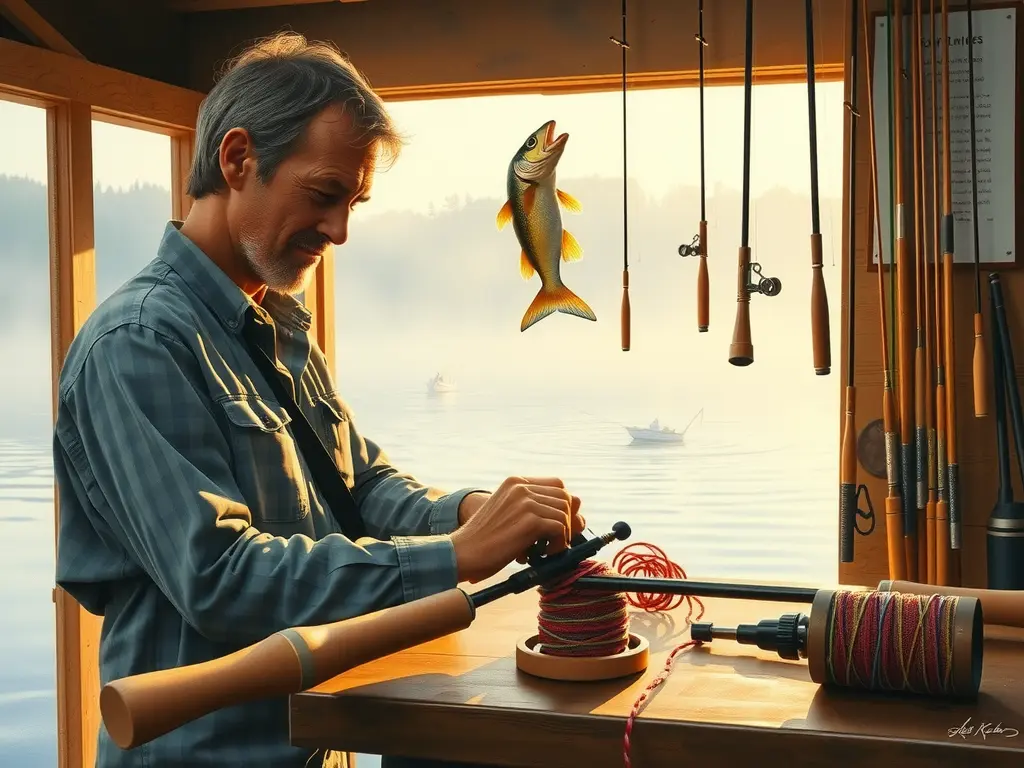
A professional-grade fishing rod is only as good as its finish, which requires a delicate balance of precision and craftsmanship.
A well-wrapped rod is crucial for durability and performance, as a poorly wrapped rod can lead to thread wear, causing the rod to come undone over time.
A well-wrapped rod, on the other hand, ensures that the rod remains secure and continues to perform at its best.
The role of a rod wrapper in achieving professional results cannot be overstated.
A good rod wrapper can make or break the final product, as they are responsible for applying the final coat of finish and ensuring that it is even and smooth. The right thread tension is essential for a smooth rod finish, which requires a steady hand and attention to detail. To create custom rods, one must first choose the right rod wrapping technique, then move on to rod building, and finally finish the rod with a high-quality rod finish, ensuring a strong bond with epoxy application and proper thread tension.
Understanding Rod Wrapping Techniques
In the realm of delicate craftsmanship, rod wrapping has emerged as a precise art form that demands attention to detail and a deep understanding of its underlying principles.
Understanding Rod Wrapping Techniques
Defining Rod Wrapping: Fundamental Concepts and Objectives
Achieving Guide Alignment
Accurate guide alignment is paramount when wrapping rods, as any slight misalignment can detract from the final product’s aesthetic appeal and longevity.
Demystifying the Rod Wrapping Process
Effective rod wrapping begins with selecting the right materials, tools, and techniques to ensure a smooth and error-free process.
This entails choosing the perfect wrapping techniques, such as heat shrink tubing or thread, that complement the rod’s inherent properties. Decorative wraps are used to embellish the rod components, ensure accurate guide alignment, and beautify the rod blank using wrapping techniques and heat shrink tubing.
Choosing the Right Thread for Custom Rods
In building a custom rod, the selection of a thread can be the unsung hero, yet it has a profound impact on both the visual appeal and the lifespan of the finished product.
Aesthetic Impact
The choice of thread can make or break the appearance of a fishing tackle rod, with the right color combination creating a professional-looking finish that draws the user in.
This is particularly evident when considering the layering techniques used to wrap the thread around the rod.
Durability Considerations
When selecting a thread, durability is essential, as it must withstand the rigors of frequent use, whether it’s being used on a spool holder or not.
Synthetic threads, for instance, offer greater abrasion resistance than traditional options, making them a popular choice for enthusiasts. To enhance the final look of the rod, consider coordinating the thread color with the other components, such as the fishing tackle, layering techniques, synthetic threads, varnish, color combinations, and spool holder.
Key Considerations for Custom Rod Thread Selection
- Choosing the right thread color can greatly impact the visual appeal of the finished product.
- Synthetic threads offer greater abrasion resistance than traditional options, making them a popular choice for enthusiasts.
- Coordinating thread color with other components, such as fishing tackle and spool holder, can enhance the final look of the rod.
- Durable threads are essential for withstanding frequent use and maintaining the lifespan of the finished product.
Tool Setup for Efficient Wrapping
A successful wrapping project starts with a well-planned tool setup, which plays a crucial role in achieving a smooth and consistent finish. The quality of the final product depends heavily on the tools used, making proper selection and installation essential.
The key components of a wrapping station include the wrapping tool, seat, and reel stem.
The wrapping tool is responsible for applying the wrapping material, while the seat provides support and stability.
The reel stem is used to hold the winding reel, ensuring a steady supply of wrapping material. Proper installation of these components is vital for achieving optimal results.
Proper tool calibration is critical for achieving desired wrapping results. By adjusting the tool tension and verifying reel stem alignment, users can ensure accurate and efficient wrapping.
Verifying guide spacing is also necessary to affect the quality of the final product.
Calibration techniques also involve adjusting tool setup to optimize performance. A beginner woodworker would typically follow the instructions based on the design, tool setup, grip installation, wrapping jigs, finish curing, and guide spacing provided by a professional.
Mastering Thread Tension in Wrapping
Maintaining the perfect balance in wrapping processes is a key factor in producing high-quality wraps that meet industry expectations, particularly when using various repair methods to ensure integrity.
Hook Keeper in Wrapping Solutions
Ensuring the thread tension remains consistent is vital for successful wrapping applications, including use of multithread configurations to achieve optimal results.
It refers to the degree of tightness or looseness of the thread or yarn as it is wrapped around the core material in a pole assembly setup.
Significance of Thread Tension Maintenance
Examine the significance of thread tension in wrapping applications closely, as it directly impacts the integrity and appearance of the wraps.
When performed correctly, it results in secure, durable, and visually appealing wraps. Optimal thread tension helps to improve the performance of the wraps, providing increased stability and resistance to hook keeper, multithread, and pole assembly maintenance, repair methods, and cosmetics.
| Wrapping Method | Importance of Thread Tension | Impact on Wrap Quality | Benefits of Optimal Thread Tension |
|---|---|---|---|
| Hook Keeper | Ensures consistent thread tension | Results in secure and durable wraps | Improves wrap performance and stability |
| Multithread Configurations | Requires precise thread tension control | Affects appearance and integrity of wraps | Enhances wrap cosmetics and resistance |
| Pole Assembly Setup | Thread tension affects core material wrapping | Impacts wrap quality and durability | Optimal tension ensures secure and visually appealing wraps |
Decorative Wraps: Elevating Your Rods Aesthetics
The subtle nuances of a rod’s appearance can make all the difference in a vehicle’s overall aesthetic appeal, captivating the attention of car enthusiasts and turning heads on the road.
Choosing the Right Materials
When it comes to decorating rods, the choice of material is paramount.
Wrap enthusiasts often opt for high-quality vinyl wraps that can withstand the elements and last for years to come.
These wraps come in a variety of finishes, from matte to glossy, and can be applied in various patterns and designs featuring decorative inlays.
Other popular materials include aluminum wraps, carbon fiber wraps, and even custom-painted wraps that weave patterns of style and sophistication.
Basic Wrapping Techniques
Basic wrapping techniques involve applying a vinyl wrap to the rod, ensuring a smooth and even finish. This involves cleaning the rod surface, applying a primer, and then applying the wrap using a heat gun or a specialized tool, finishing with a minimalist polished finish to showcase the decorative inlays and binding.
Guide Alignment and Spacing Explained
Achieving precise control over the fishing experience depends on the intricate details of rod design, particularly the careful placement of guides that work in harmony with the rod’s structure.
Proper guide placement is a critical element in rod design, significantly impacting the performance and sensitivity of the rod.
This delicate balance is crucial for achieving optimal casting accuracy, reducing tangles, and preventing line twist and abrasion.
The role of precision engineering in guide placement cannot be overstated, as it affects the flow of line and leader, which in turn impacts casting distance, accuracy, and overall fishing experience.
Guides that are too far back can cause unnecessary wind knots, while guides that are too close to the reel can lead to line twist and abrasion. A well-integrated reel and guide system contributes to the durability and longevity of a fishing rod, making it essential to carefully consider the placement of each guide, taking into account precision, reel integration, thread selection, durability, customization, and artistic designs.
Key Considerations in Rod Design
- Proper guide placement significantly impacts the performance and sensitivity of the rod.
- The delicate balance of guide placement is crucial for achieving optimal casting accuracy, reducing tangles, and preventing line twist and abrasion.
- Guides that are too far back can cause unnecessary wind knots, while guides that are too close to the reel can lead to line twist and abrasion.
- A well-integrated reel and guide system contributes to the durability and longevity of a fishing rod.
Epoxy Application: Best Practices
Achieving a smooth and durable rod finish is a crucial aspect of rod building, requiring careful consideration of the epoxy application process.
Epoxy application is a critical step in rod building, as it directly impacts the structural integrity of the finished product.
A well-applied epoxy coat can make all the difference in ensuring a rod’s durability and longevity, particularly in areas prone to knotting.
Preparing the rod for epoxy application involves several key steps.
Choosing the right epoxy mix ratio is crucial in determining the finish’s durability. A well-balanced mix is essential to achieve a strong and water-resistant finish, one that can withstand the rigors of aquatic environments.
Ensuring a clean and dust-free environment is vital for successful epoxy application. Any particles or debris can compromise the finish’s quality and lead to a weaker bond, reducing the rod’s overall structural integrity. The curing process of the epoxy involves aesthetics, tool calibration, waterresistant finishes, structural integrity, knotting, and precise mixing.
Maintenance Tips for Your Rod Wraps.
Maintaining your fishing rod is a delicate balance between preserving its seamless transitions and ensuring optimal performance on the water.
Regular inspections are essential to checking for signs of wear, cracks, or damage to the wrapping material.
It’s recommended that you thoroughly examine the rod’s structure, specifically focusing on the guides and reel seat, which can be prone to corrosion and damage.
Verifying that all wraps are securely attached and evenly applied is crucial to prevent any potential issues.
When storing your rod, avoid exposing it to extreme temperatures, moisture, or direct sunlight, as these can cause damage to the wraps and the rod itself. Instead, store your rod in a dry, secure location when not in use, and consider using a rod case or storage bag to protect the wraps from damage. For instance, avoiding direct exposure to sunlight helps to preserve the rod’s lightweight materials and maintain its ergonomic design.
| Inspection Frequency | Causes of Damage | Storage Conditions | Protection Methods |
|---|---|---|---|
| Regular | Wear, Cracks, Corrosion, Moisture | Extreme Temperatures, Direct Sunlight, Moisture | Rod Case or Storage Bag, Dry and Secure Location |
Essential Tools for Crafting Custom Fishing Rods
The art of rod building is no exception to the idea that a good tool is only as good as the craftsman wielding it. When every twist of the wrist, every deft stroke of the cloth, and every calculated click of the clicker determines the fate of a prize catch, even the subtlest variation can be a game-changer.
Precision is the keystone in the arch of rod building, and master rod makers know that its absence is a recipe for disaster.
A rod, when carefully crafted, balances sensitivity and strength with elegance and durability, qualities all too frequently sacrificed in favor of cost-cutting in mass production. High-quality blank rod blanks, combined with high-grade guides and durable reel seat and handle material, make excellent fishing rod components and rod building supplies.
Choosing The Right Blank Rod
The blank is a crucial component in creating a high-performance rod, and selecting the right one can make all the difference in the world of fishing. When it comes to crafting a custom rod, the blank is the foundation upon which performance and durability are built.
Material selection is a fundamental aspect of rod making, and there are three primary materials used in blank rods: graphite, fiberglass, and composite.
Graphite rods are known for their light weight, sensitivity, and fast action, making them a popular choice among experienced anglers.
They may not be suitable for everyone, particularly those who fish in heavy cover or prefer a more forgiving feel.
Fiberglass rods offer a more forgiving feel, making them suitable for beginners or those who fish in heavy cover.
They are also more durable than graphite rods, but may not provide the same level of sensitivity. Composite rods combine epoxy resin, wrapping threads, ferrules, tip-top, alignment tools, and custom jigs.

Importance Of Rod Components
The art of custom fishing rod building has been around for centuries, with fishermen using their skills to craft rods that cater to their unique fishing styles and preferences, often relying on high-quality materials like cork grips for a secure hold.
Fishing gear has evolved significantly from the traditional wooden rods of the past, with custom rods offering a tailored fishing experience that’s essential for anglers seeking a competitive edge, such as those using a spinning rod to catch a variety of fish species.
When it comes to building a custom fishing rod, understanding the importance of each component is vital, and the handle is not just a matter of aesthetics; it plays a significant role in providing comfort and grip during long fishing sessions, often featuring EVA foam grips for a non-slip surface, and the size and shape of the handle are also critical. The rod’s backbone, typically made from a durable material like EVA foam or cork grips.
| Component | Importance | Material | Function |
|---|---|---|---|
| Handle | Vital | EVA foam, Cork grips | Comfort and grip during long fishing sessions |
| Rod’s backbone | Important | Durable material (EVA foam or cork grips) | Provides strength and support to the rod |
| Handle size and shape | Critical | Varies based on angler preference | Provides a comfortable and secure grip |
| Grip type | Important | EVA foam grips | Provides a non-slip surface |
Essential Rod Building Supplies
A successful fishing rod is the result of meticulous attention to detail, and a well-equipped workspace is the foundation of achieving a high-quality finish.
A well-stocked toolkit is indispensable for crafting rods, as it enables precision and attention to detail in every stage of the process.
With the right tools, you can streamline your building process and improve the overall quality of your creations.
When working on a custom fishing rod, thread tension is crucial to get right.
Calipers and micrometer are used to measure and precision-cut various components with precision.
Reel seat and reel seat screws are essential tools for rod builders, providing a secure and solid foundation for the reel.
A graphite or fiberglass blank selection is a critical component of a well-built rod, providing the foundation for the entire structure. Regularly, a drill press and drill bits are used to create precise holes and grooves.
Rod created a precision instrument, including a split grip for ease of handling, a rod holder for stable operation, thread tension to achieve consistent results, a finish coat to enhance appearance, and a rod tip with durable material suitable for heavy-duty use and precision in handling with the assistance of power tools.
Understanding Guide Spacing
A well-crafted fishing rod is only as good as its components work together in harmony, and one often overlooked factor that plays a significant role in this harmony is consistent guide spacing.
Effective fishing rod performance relies on a crucial yet often overlooked component, such as nicely spaced aluminum reel seats, that guides the line as it exits the reel.
Proper spacing, particularly when utilizing a high-quality adhesive to secure guides, can make or break the smooth flow of line and prevent frustrating tangles, making it a critical factor in casting efficiency.
Guide spacing refers to the distance between the rings on a fishing rod that guides the line as it exits the reel.
The purpose of proper guide spacing is to ensure that the line flows smoothly through the guides without getting caught or tangled, with a smooth line flow that’s made possible by the use of sandpaper to achieve a fine rod finish. The use of hand tools, epoxy mixer, adhesive, sandpaper, rod finish, and aluminum reel seat are all necessary for repairing a rod.
Key Components for Effective Fishing Rod Performance
- A well-crafted fishing rod relies on consistent guide spacing to ensure smooth line flow.
- Proper guide spacing prevents frustrating tangles and improves casting efficiency.
- A high-quality adhesive is necessary to secure guides and maintain smooth line flow.
- A fine rod finish, achieved with sandpaper, is crucial for optimal line flow.
Selecting Handle Material
How to balance the comfort and performance of their fishing rod.
Handle materials come in various types, including graphite, carbon fiber, and bamboo, each offering a unique feel and functionality, which is vital for angling success.
The choice of handle material can make or break the fishing experience, as it directly affects grip and sensitivity.
The feel of the handle has a significant impact on the overall comfort of the rod during use.
Crafting the Perfect Fishing Experience
Several key factors must be taken into account when choosing a handle material, primarily those influencing grip, sensitivity, and overall performance. The sensitivity of a rod is also influenced by graphite blank, fiberglass rod, rod design, guide spacing, thread color, and custom length.
The Role Of Epoxy Resin
Epoxy resin has revolutionized the world of rod construction by offering a unique blend of strength, durability, and creative possibilities.
When it comes to rod construction, epoxy resin is used to provide a strong and durable foundation for the rod.
This is achieved by applying a thin layer of epoxy resin to the rod’s blank, which then hardens to create a rigid and impact-resistant surface.
The result is a rod with increased sensitivity and improved casting distance.
The use of epoxy resin in rod construction has several benefits, including enhanced rod sensitivity and improved casting distance. By applying a thin layer of epoxy resin, rod builders can create a smooth and even surface that allows for precise knot tying and a more accurate fishing technique. In terms of rod action, epoxy resin plays a crucial role in determining the rod’s overall feel and sensitivity.
Benefits of Epoxy Resin in Rod Construction
- Epoxy resin provides a strong and durable foundation for the rod, increasing sensitivity and improving casting distance.
- The use of epoxy resin allows for precise knot tying and a more accurate fishing technique due to its smooth and even surface.
- Epoxy resin plays a crucial role in determining the rod’s overall feel and sensitivity, making it an essential component in rod construction.
- The thin layer of epoxy resin applied to the rod’s blank hardens to create a rigid and impact-resistant surface, making it ideal for various fishing applications.
Techniques For Thread Wrapping
Maintaining a well-organized fishing accessories collection requires attention to even the smallest details, like thread wrapping on your rod, which also enhances the overall performance analysis.
The effectiveness of a well-wrapped thread on a fishing rod is often a matter of taste, but it also plays a significant role in the long-term performance and maintenance of the tackle box.
When choosing a synthetic thread, users can expect high strength, resistance to water and sunlight, and ease of use.
Synthetic threads can lack the authentic look of natural threads, making the latter a more attractive option for those seeking a more rustic appearance.
Both types of threads can offer a canvas for creative expression, allowing users to add unique colors and patterns to their rods. Infusing thread with color can be achieved through various techniques, including dyeing, painting, or even intricate wrapping designs, every user’s tackle box, fishing accessories, maintenance tools, repair kit, testing equipment, performance analysis requires a unique, personalized thread color to properly match their specific needs and preferences.
Maintaining Your Custom Rod
For many anglers, a well-maintained custom rod is an extension of themselves, and its condition directly impacts their fishing experience. Whether battling a monster fish or a delicate trout, the state of your rod’s balance point, guide type, and overall health can affect the outcome of the encounter.
When it comes to custom rods, cleanliness is paramount.
Regular cleaning and inspection of your rod’s components can prevent damage and ensure optimal performance.
This includes checking for loose custom wraps and replacing them if necessary, to maintain precision and accuracy.
Proper storage is also essential to saving your rod from damage.
Store your rod in a dry, cool place, away from direct sunlight that can cause the custom wraps to fade or peel. Keep it in a well-ventilated area, away from strong chemicals or cleaning products, where it can breathe easily, just like the free-range anglers carefully select their custom wraps and angler tools based on a balance of aesthetics and practicality that meets their specific selection criteria.
Importance of Custom Rod Maintenance
- A dirty rod can lead to damage and affect the outcome of a fishing encounter.
- Loose custom wraps can compromise precision and accuracy.
- A well-maintained rod can enhance the overall fishing experience.
- Direct sunlight can cause custom wraps to fade or peel, damaging the rod.
Creating Custom Logos for Your Rods

For the passionate angler, fishing is a journey that goes beyond the thrill of reeling in a catch – it’s about connecting with the natural world and creating lasting memories. Custom logos for rods can be a unique way to showcase that passion and make your gear stand out.
A well-designed logo can be a conversation starter among fellow anglers, setting you apart from the crowd and making a lasting impression.
Whether you’re a seasoned pro or a beginner, a custom logo can help you express your personality and style on the water.
Research shows that unique logos can increase brand recognition and make your gear more memorable, leaving a lasting impression on those around you. With the endless possibilities of custom rod designs, you can tailor your gear to fit your specific needs through branding, personalization, design, logo creation, and unique designs.
Understanding Brand Identity in Fishing
A brand’s visual presence can make or break its reputation in the competitive world of fishing, where companies are constantly vying for attention. Custom graphics can play a significant role in setting a brand apart from its competitors.
In the fishing industry, a strong brand identity is crucial for attracting and retaining customers.
Research shows that 72% of customers prefer to support companies with strong brand identities.
By developing a recognizable and consistent brand image, fishing companies can create an emotional connection with their target audience.
Creating a unique fishing rod logo that tells a story is essential in personalizing a brand.
The logo is often the first point of contact between a customer and a brand, and it sets the tone for their overall experience. Artistic logos can evoke emotions and create a lasting impression on customers. When designing a logo for a fishing business, it’s essential to consider the core values and personality of the company through the use of fishing equipment, custom graphics, visual identity, rod accessories, and artistic logos that reflect its unique character.

Key Elements of Logo Creation
Creating a memorable brand image is a delicate balance of visual and emotional connections with the target audience. A clever logo can make a lasting impression on customers, and a well-crafted branding strategy starts with a well-designed logo.
Effective logo creation involves understanding the target audience’s demographics, psychographics, values, preferences, and likelihood to engage with the brand, which serves as the foundation for bespoke logos that resonate with the audience.
A brand’s core values and unique selling proposition (USP) come to life through a unique combination of marketing materials, including the logo.
For instance, a strong identity is created when designing fishing rods, it’s not just about the tool but the emotions it evokes. Effective logo creation is also about balancing simplicity and memorability, making the brand stand out in a crowded market. The brand identity, defined by core values, mission statement, and guidelines, is effectively conveyed through fishing rods, brand identity, marketing materials, graphical elements, and bespoke logos.
Key Elements of Effective Logo Creation
- A well-designed logo is the foundation of a well-crafted branding strategy.
- Understanding the target audience’s demographics, psychographics, values, preferences, and likelihood to engage with the brand is crucial for creating a memorable brand image.
- A unique combination of marketing materials, including the logo, brings a brand’s core values and USP to life.
- Effective logo creation involves balancing simplicity and memorability to make the brand stand out in a crowded market.
The Role of Custom Graphics
Emotional connections with customers have been the cornerstone of effective branding for decades, as seen in the fishing industry. In a crowded and competitive market, the quest for unique visuals is of utmost importance.
Custom designs are the backbone of captivating visuals, enabling brands to forge an indelible mark in the minds of consumers.
In the domain of fishing gear, innovation lies in distinctive product graphics.
A visually striking difference in design sets a business apart from the rest in a sea of sameness.
To differentiate products through captivating graphics, manufacturers engage skilled illustrators to tailor-made graphics.
By including engaging visual elements, anglers can swiftly identify which brand resonates with them most.
Custom graphics hold significant importance in establishing coherence among outdoor enthusiasts.
Cohesive branding fosters an air of reliability within consumers. It encourages fishing gear manufacturers to emphasize uniqueness through product differentiation, illustrative design, outdoor branding, aquatic themes, and emblem design.
Tips for Tailored Designs
A well-designed logo is the face of a brand, making a lasting impression on users. It is not just a visual representation of a brand, but an emotional connection that leaves a lasting impression.
To create such a logo, designers must consider the target audience and brand values in their design.
Research has shown that a brand’s target audience is the most significant factor in determining the success of a brand’s logo.
Understanding the key personality traits of the target audience, such as age, location, and interests, allows designers to create a logo that speaks directly to them. For instance, a fishing gear brand may use digital graphics that appeal to outdoor enthusiasts, while a tech brand may use vector art that reflects their innovative and futuristic approach, essentially tackling customization in their unique way. Understanding brand values is also crucial, as it helps designers to tackle brand customization, digital graphics, fishing gear, and vector art with greater effectiveness.
Key Factors in Designing an Effective Logo
- A well-designed logo can make a lasting impression on users and create an emotional connection with the target audience.
- The target audience is the most significant factor in determining the success of a brand’s logo, and understanding their key personality traits is crucial.
- Brand values are also essential in designing an effective logo, as they help designers to tailor the logo to the brand’s unique identity.
- Customization, digital graphics, and vector art can be used to create a logo that appeals to the target audience and reflects the brand’s values.
Incorporating Symbolism in Logos
Branding in today’s consumer-centric market demands businesses take creative approaches to stand out, making personalized logo design a crucial aspect of consumer branding.
To create an impactful brand identity, it’s essential to understand the significance of symbolism in branding.
By leveraging meaningful elements, businesses can forge a deeper emotional connection with their target audience and foster brand loyalty.
Symbolism in branding refers to the effective use of logos, colors, and imagery to convey a brand’s values, personality, and message in a creative logos strategy.
This approach allows businesses to establish a unique aesthetic and distinct identity that resonates with their target audience.
Incorporating Symbolism in Logos
A well-crafted logo is a distinctive feature that can evoke emotions, convey a sense of personality, and create a lasting impression on customers. Geometric shapes, abstract icons, emblematic symbols, and typography are just a few of the key elements that can make up consumer branding, rod personalization, signature designs, craftsmanship, creative logos.
Exploring Visual Branding Strategies
Effective visual identity is the foundation of establishing a unique presence in a crowded market.
In today’s competitive landscape, companies must invest in distinctive visual identities to stand out and capture the attention of their target audience.
A well-crafted logo is the linchpin of a strong visual branding strategy, instantly conveying the essence of a brand and influencing all marketing materials.
Logo versatility is essential, allowing a single logo to seamlessly adapt across various platforms, including promotional materials, social media, and point-of-sale displays.
Custom imagery and photography play a pivotal role in defining a brand’s personality and aesthetic, creating a unique visual language that resonates with the target audience.
A well-defined color palette and typography system are crucial for maintaining visual consistency across all marketing materials and product designs. Storytelling is a potent tool in the visual branding arsenal, enabling companies to weave a compelling narrative that connects with their motifs, promotional materials, branding strategy, logo versatility, and symbolism.
Key Elements of Effective Visual Branding
- A well-crafted logo is the linchpin of a strong visual branding strategy, instantly conveying the essence of a brand and influencing all marketing materials.
- Logo versatility is essential, allowing a single logo to seamlessly adapt across various platforms, including promotional materials, social media, and point-of-sale displays.
- A well-defined color palette and typography system are crucial for maintaining visual consistency across all marketing materials and product designs.
- Storytelling is a potent tool in the visual branding arsenal, enabling companies to weave a compelling narrative that connects with their target audience.
Craftsmanship in Fishing Rod Design
For the avid fisherman, a personalized fishing experience is just as much about the journey as it is about the catch, and this is where the art of crafting a unique fishing rod comes into play.
Quality materials are essential for creating a rod that performs well and withstands the rigors of frequent use.
Graphite, fiberglass, and composites are popular choices for rod design due to their strength, sensitivity, and durability.
These materials ensure that the rod can handle the strain of casting and reeling in heavy fish, while also providing a smooth and precise casting experience.
When it comes to the design of the rod, attention to detail is critical. The quality of the handle, reel seat, and guides can greatly impact the overall user experience. A well-crafted rod with a comfortable handle and smooth reel seat can make a huge difference in the angler’s confidence and performance, reflecting a brand’s dedication to visual branding and artistic expression that resonates with fishing enthusiasts.
Engaging with the Fishing Community
For anglers, the world of fishing is not just about reeling in a big catch, but about the people, traditions, and experiences that come with it.
In a world where anglers have countless options for rods and tackle, a fishing company’s success often relies on forging deep connections with its community.
Effective product branding can serve as a powerful tool for establishing a loyal following, with custom decals and tailored designs speaking volumes about a brand’s commitment to the sport and its community, shaping its identity and values.
Original logos can be tailored to reflect a brand’s unique personality and values, creating an emotional connection with customers who share those ideals, fostering brand loyalty and advocacy through word-of-mouth endorsement. A brand’s visual identity, including its product branding, custom decals, tailored designs, imagery, and original logos, can significantly influence how it’s perceived by its audience, contributing to a loyal customer base that’s eager to share.
Key Factors in Effective Fishing Product Branding
- Fishing companies that establish deep connections with their community tend to experience greater success.
- Effective product branding can foster brand loyalty and advocacy through word-of-mouth endorsement.
- A brand’s visual identity, including its product branding, custom decals, and original logos, significantly influences how it’s perceived by its audience.
- Original logos can be tailored to reflect a brand’s unique personality and values, creating an emotional connection with customers who share those ideals.
Custom Butt Caps and End Plugs: Adding Flair

In recent years, the market has witnessed a surge in demand for personalized accessories that enable individuals to express their unique style and flair.
Decorative caps are a delightful way to round off any look, adding an extra layer of sophistication and elevating it from ordinary to extraordinary.
Trendy and stylish, custom butt caps and end plugs are a hit with those looking to make a statement with flair accessories.
With a plethora of designs and materials to choose from, the possibilities are endless for making a splash with one of a kind custom designs.
Rod tips can be a simple finishing touches or a statement-making expression of individuality, depending on the design chosen. From sleek sophistication to bold statement pieces, custom butt caps and end plugs offer a versatile selection of decorative caps, flair accessories, rod tips, finishing touches, and custom designs.
Choosing The Right Decorative Caps
Personal touches on objects are elevated by decorative caps, which serve as both protective ends and style enhancements.
Decorative Caps: Enhancing Visual Appeal and Functionality
Decorative caps are used to cover the ends of pipes, cigars, and other objects, serving as aesthetic upgrades that prevent damage and leakage.
They are available in various materials, including metal, plastic, and wood, each offering unique characteristics and benefits, particularly in tapered plugs.
Importance of Decorative Caps
In addition to their functional purpose, decorative caps also play a significant role in enhancing the visual appeal of an object.
They come in a wide range of styles, designs, and colors, allowing users to add personal touches and express their individuality. There are various types of decorative caps available, providing style enhancements, aesthetic upgrades, protective ends, personal touches, and tapered plugs for different applications.
Enhancing Rod Tips With Flair Accessories
The way anglers accessorize their rod tips has seen a significant evolution, with an increasing focus on distinctive, artistic additions that not only elevate the appearance but also offer improved functionality.
Fishing rods play a crucial role in line management and control, significantly impacting the overall fishing experience.
Beautiful sporting accessories have become a popular choice to enhance rod tips, offering anglers a unique way to personalize their gear.
The concept of decorating rod tips has been around for decades, with early forms of grip covers and unique embellishments initially focusing on functionality.
These early designs lacked diversity and style, but paved the way for the wide range of terminal fittings available today.
The benefits of flair accessories for rod tips are multifaceted.
They not only provide a touch of personal style, but also contribute to a more enjoyable fishing experience. By incorporating a terminal fitting, anglers can add a level of unique embellishments.
Evolution of Rod Tip Accessories
- Fishing rods play a crucial role in line management and control, significantly impacting the overall fishing experience.
- Beautiful sporting accessories have become a popular choice to enhance rod tips, offering anglers a unique way to personalize their gear.
- The concept of decorating rod tips has been around for decades, with early forms of grip covers and unique embellishments initially focusing on functionality.
- Terminal fittings can add a level of unique embellishments to rod tips, contributing to a more enjoyable fishing experience.
Custom Designs For Unique Embellishments
In today’s market, consumers are increasingly seeking products that reflect their unique personality and style, driving the demand for unique and personalized products that tell a story.
Embellishments play a crucial role in adding a touch of personalization to various products, from fashion accessories like design variations to home decor items with color options that reflect individual tastes.
With the rise of social media, consumers are now exposed to a vast array of products and designs, making it essential for brands to offer customization options that set them apart.
The psychology of customization suggests that consumers are more likely to engage with and loyal to products that reflect their individuality.
According to a study, 80% of consumers are more likely to purchase from brands that offer customization options, such as material choices that cater to their preferences. This personal touch not only enhances the overall look of a product but also creates a deeper emotional connection by offering design variations, color options, material choices, utility caps, and bespoke fittings.
Finishing Touches With Aesthetic Upgrades
The essence of design lies in the subtle nuances that elevate a product or space from mere functionality to a visually stunning experience.
A well-crafted aesthetic is often the result of meticulously thought-out detail, where refined embellishment options strike a harmonious balance between form and substance.
Metals play a pivotal role in design, with various metallic finishes offering distinct visual identities for accent elements.
Brushed finishes, for instance, can introduce a soft, matte texture that adds depth to a design, while polished finishes can create a sleek, shiny appearance that commands attention.
Finishing plugs can be beautifully customized to fit a specific design language, allowing designers to personalize and enhance the overall look of a product. By thoughtfully selecting and implementing the right cap styles, designers can create a visually cohesive and engaging design that draws the viewer’s eye. End finishes are an essential element of design, as they provide a polished and professional appearance to a garment through finishing plugs, tailored caps, embellishment options, cap styles, and end finishes.
Key Elements of Effective Design
- Brushed metallic finishes can introduce a soft, matte texture that adds depth to a design.
- Polished metallic finishes can create a sleek, shiny appearance that commands attention.
- Finishing plugs can be customized to fit a specific design language and enhance the overall look of a product.
- End finishes provide a polished and professional appearance to a product through finishing plugs, tailored caps, and embellishment options.
Protective Ends: Why They Matter
Equipment longevity is a crucial aspect of productivity and profitability, and it’s often the first thing to suffer when neglecting regular maintenance.
Excess wear and tear on equipment can cause damage, misalignment, and even complete equipment failure.
This can lead to downtime, decreased productivity, and increased maintenance costs.
Grip enhancements, specifically designed to mitigate these issues, are an essential component in preventing costly repairs and premature replacement.
Protective ends are engineered to safeguard equipment against wear and tear, extending its lifespan. Customized solutions like durable metal or plastic covers can provide a barrier against abrasion and impact, ensuring continued use of valuable machinery.
The effectiveness of protective ends in preventing equipment damage is widely acknowledged in various industries, including manufacturing, construction, and transportation. Customized solutions, such as charm additions, protective covers, grip enhancements, and fishing accessories, are designed to provide long-lasting performance and minimize the need for frequent repairs.
Tailored Caps For Personalized Options
The world of headwear has undergone a significant transformation, with an increasing number of individuals seeking unique and personalized options to express their individuality and style. With the vast array of customization choices available, it’s no wonder that personalized headwear has become a sought-after trend.
Tailored Caps For Personalized Options
Understanding the Benefits of Customization
-
DIY caps offer a refreshing alternative to mass-produced options, allowing individuals to express their personality through a tailored design. Whether it’s a bold color or a clever phrase, DIY caps cater to each person’s distinct style.
When it comes to personal preferences, tailored caps provide a perfect fit. With the option to choose from premium materials, durable plugs, and versatile designs, there’s no way to go wrong with DIY caps, ergonomic design, and premium materials.
Exploring Color Options In End Finishes
When it comes to design, the subtle nuances of color can make or break a product’s overall aesthetic appeal. A well-intentioned color choice can successfully evoke emotions, engage consumers, and create a lasting connection.
The Psychology Behind Stylish Enhancements
Color psychology is the study of how colors impact human emotions and behavior.
Different colors can stimulate various responses in people, with some colors perceived as calm and soothing, while others are stimulating and energetic.
For instance, blue tones are often associated with trust and reliability, while bold reds are commonly linked to energy and passion. Consistency in color branding is crucial, as it helps to establish a recognizable identity and fosters a connection with the customer through sophisticated designs, handcrafted ends, stylish enhancements, practical applications, and rubber caps.
Practical Applications Of Durable Plugs.
Modern sporting accessories have evolved significantly, incorporating innovative materials and design elements to enhance performance and usability. A crucial aspect of this evolution is the integration of durable components, such as colorful designs, which not only add a touch of personality to gear but also contribute to its overall functionality.
Customization and personalization are key benefits of durable plugs, allowing users to add a unique twist to their sporting equipment.
By incorporating plastic plugs, athletes can make their gear stand out from the crowd, reflecting their individuality and team spirit.
For instance, a player can choose a design that reflects their favorite team’s colors, further boosting their confidence and enthusiasm.
Durability is not the only advantage of these components. Weather-resistant materials, such as plastic plugs, aluminum caps, carbon fiber options, and colorful designs, also play a vital role in safeguarding sensitive equipment from harsh environments and intense use.
Durable Component Benefits Durable Component Features Enhances Performance and Usability Colorful Designs, Weather-Resistant Materials Customization and Personalization Plastic Plugs, Aluminum Caps, Carbon Fiber Options Boosts Confidence and Enthusiasm Safeguards Sensitive Equipment from Harsh Environments