

Understanding Fish Behavior for Better Lure Design

Fish have a long history of providing sustenance for human populations, but successfully landing a prized catch is as much about understanding the intricacies of fish behavior as it is about the latest bait customization.
Every avid angler knows that angling for success in the world of fishing requires more than just a well-stocked tackle box and a sturdy rod – it demands a deep understanding of fish psychology and their unique preferences.
By studying fish behavior in its aquatic context, anglers can gain crucial insights into the sensory perception of their quarry and anticipate the conditions most likely to yield a big catch. For instance, understanding fish psychology and aquatic behavior can also significantly enhance the effectiveness of lure customization and bait selection.
Understanding Fish Psychology in Lure Design
Fishing for success often hinges on crafting lures that appeal to the complex psychological dynamics of fish behavior, predating their natural motivations and environmental cues. Effective lure design is often a combination of art and science, but understanding fish psychology can significantly enhance the selection process.
By exploring the intricacies of fish behavior, cognition, and sensory perception, anglers can create lures that more effectively mimic their natural prey, ultimately increasing catch rates.

Understanding Fish Psychology in Lure Design
Appreciating Fish Behavior
Fish exhibit innate behaviors such as hunting patterns and social interactions that are crucial to understanding their thought processes.
Aquatic Behavior and Its Impact on Lures
Understanding the intricacies of aquatic environments is crucial for developing effective luring strategies, as fish behavior is intricately connected to their surroundings, influencing the way they interact with underwater objects.
Water temperature is a significant factor in fish behavior, impacting their movement patterns and feeding habits as they adapt to changes in their environment.
As water temperature drops, fish tend to decrease their activity levels and rely on stored energy reserves to conserve energy, making adjustments in lure design, color, and action necessary.
Light intensity also plays a critical role in influencing aquatic behaviors, as the visual stimuli provided by underwater dynamics, such as waves and currents, can elicit specific responses from fish.
For instance, increased activity near the surface during dawn and dusk can be triggered by these patterns, making it essential for anglers to consider these dynamics to increase their chances of reeling in a catch. A scent trail left through various movement patterns, lure materials, underwater dynamics, visual stimuli, scent trail, and seasonal patterns.
Influencing Fish Behavior
- Water temperature impacts fish movement patterns and feeding habits.
- Increased activity near the surface during dawn and dusk can be triggered by visual stimuli, such as waves and currents.
- Fish tend to decrease their activity levels and rely on stored energy reserves as water temperature drops.
- Anglers must consider underwater dynamics and visual stimuli to increase their chances of reeling in a catch.
Using Sensory Perception to Design Lures
Understanding Sensory Perception in Lure Attraction Critical to the success of a lure is its ability to match the visual and scent profiles of its intended species, such as bass in the strike zones, where warmer colors like orange and red tend to be more visible in low-light conditions, while cooler colors like blue and green are more visible in bright light underwater visibility. The role of color and pattern recognition in fish perception is well-documented, with research showing that certain colors and patterns can be more effective at attracting fish in certain conditions, such as larger species with increased sensitivity to movement and catch rates.
Visual cues like size and movement can also play a significant role in fish perception, with larger lures often being more effective than smaller ones in attracting larger species, where the lure’s action is key. The anatomy of the fish olfactory system is closely tied to strike zones, species traits, lure action, underwater visibility, catch rates, and the effectiveness of fishing gear.
PredatorPrey Dynamics and Fishing Strategy
Animal behavior, specifically foraging behavior, plays a vital role in predator-prey relationships in fishing environments. Understanding the behavior of predators and prey can inform the selection of the right lure color and presentation style, ultimately leading to a more successful fishing experience.
In diverse environments, such as lakes, rivers, and ponds, predators like bass, walleye, pike, and trout exhibit unique feeding habits that influence the types of lures and presentation styles that are most effective.
For instance, bass are opportunistic feeders that can be enticed by a variety of lures, while walleye and pike are more particular about their prey size and type, often responding to specific lure colors and habitat features. Visual cues, such as hydrographic factors like weed lines, drop-offs, and structure, as well as casting techniques, environments, hydrographic factors, lure color, habitat, and foraging behavior.
Key Points About Foraging Behavior in Fishing Environments
- Bass are opportunistic feeders that can be enticed by a variety of lures.
- Walleye and pike are more particular about their prey size and type, often responding to specific lure colors and habitat features.
- Visual cues such as weed lines, drop-offs, and structure influence the effectiveness of lures and presentation styles.
- Foraging behavior plays a vital role in predator-prey relationships in fishing environments.
Movement Patterns of Fish and Lure Action
Effective lure design hinges on understanding the intricacies of fish behavior and movement patterns.
Anglers have long recognized the importance of matching lure movement to fish behavior, but the specifics of this relationship have only recently been extensively studied.
By analyzing fish feeding patterns, researchers have identified a series of specific stages that fish follow when searching for food, providing valuable insights for lure effectiveness.
For example, studies have shown that fish tend to move in a predictable pattern influenced by ecological factors such as changes in water temperature, lighting, and food availability.
Matching lure presentation techniques to these cues is crucial for success, as lures that mimic the natural movement patterns of prey are far more effective at attracting fish, thereby enhancing angling success. Inshore environments, such as those found in dense weeds, offer a unique challenge for anglers to effectively utilize lure shape, presentation techniques, ecological impact, angling success, lure selection, and behavioral cues.
Lure Innovation for Improved Catch Rates
The thrill of reeling in a big catch is a universal experience that has captivated anglers for centuries, driving innovation in the design of fishing lures to stay ahead of the game.
The increasing popularity of angling around the world has led to a surge in innovation in the design of fishing lures, with a particular focus on enhancing catch rates.
Recent innovations in lure design have been driven by a deeper understanding of fish behavior and the development of new materials and technologies.
Soft plastic lures, such as curly tail grubs and paddle tails, have gained popularity due to their versatility and effectiveness in catching a wide range of fish species.
They are often used in conjunction with a rod and reel, allowing anglers to create a lifelike presentation that can mimic the natural movement of an injured baitfish during fishing seasons. Hard bodied lures, such as spinnerbaits and topwater lures, can be effective for fishing seasons, but fishing with a spinning rod and reel and using jigs is a different story.
Key Innovations in Fishing Lure Design
- Fish behavior has driven innovation in lure design to enhance catch rates.
- Soft plastic lures, such as curly tail grubs and paddle tails, are effective for catching a wide range of fish species.
- Recent advancements in materials and technologies have improved the effectiveness of fishing lures.
- Fishing with jigs can be an effective method for catching fish, particularly with a spinning rod and reel.
The Role of Color in Fish Attraction
The thrill of reeling in a big catch is often a combination of skill, patience, and a dash of luck, but have you ever stopped to think about the role that color plays in enticing fish to bite?. Using soft plastics with the right colors can be the difference between a blank slate and a bucket full of fish.
This is because light interacts with water in a way that causes colors to be muted and distorted, making it difficult for fish to see subtle colors.
To compensate for this, anglers use lures with vibrant colors that can stand out in the water, like crankbaits that mimic the flash of a fleeing baitfish. For instance, understanding crankbaits, soft plastics, trolling methods, baitfish behavior, underwater currents, and angler intuition can significantly improve one’s chances of catching fish.
Understanding Feeding Habits for Better Lures
Understanding how different fish species behave when it comes to feeding. Analyzing fish feeding habits can be a game-changer, as it allows you to tailor your lures to specific feeding behaviors, increasing your chances of a successful catch.
Fish like largemouth bass are opportunistic feeders, taking advantage of whatever food source is available to them.
This means they can be caught with a wide range of lures, from curly tail grubs to spinners that mimic the movement of injured baitfish.
In contrast, species like trout are more discerning, preferring to feed on specific food sources like insects or invertebrates, which can be replicated with the right lure. Most fish species have preferred feeding times, such as dawn and dusk, based on the fishing tactics used, the ecosystem and feeding habits of the species, water clarity, dive depth, and responsiveness to lures.
| Fish Species | Feeding Behavior | Preferred Lures | Feeding Times |
|---|---|---|---|
| Largemouth Bass | Opportunistic feeder | Curl tail grubs and spinners that mimic baitfish movement | Dusk and dawn |
| Trout | Discerning, prefers specific food sources like insects and invertebrates | Lures that replicate insects or invertebrates | Varies, based on ecosystem and dive depth |
Organizing Your Workspace for Efficiency

A cluttered environment can significantly hinder employees’ ability to focus, leading to decreased job satisfaction and increased stress levels.
Studies have shown that clutter is costing businesses an estimated $1,300 annually per employee, with workers wasting up to 5 hours weekly searching for lost or misplaced items.
Implementing productivity tools such as calendars, to-do lists, and digital reminders can help streamline workflow optimization and boost efficiency in the workspace.
A well-curated workspace can also contribute to a 33% increase in productivity, making it essential for businesses to prioritize workspace design and organization. Decluttering and organizing workspaces can be achieved through task management strategies, ensuring a clutter-free environment that promotes efficiency, ultimately enhancing workspace design, productivity tools, decluttering, ergonomic setup, task management, and workflow optimization.
Workspace Design Essentials
In today’s fast-paced work environment, employees who work in disorganized and cluttered spaces often struggle to stay focused and productive.
Effective workspace design is not just about aesthetics; it’s about creating a functional and efficient space that promotes productivity and well-being.
A well-designed workspace should strike a balance between functionality, aesthetics, and user needs.
This involves considering the spatial arrangement of furniture, digital tools, and office supplies to minimize distractions and maximize efficiency.
By implementing a thoughtful layout, organizations can enhance focus and efficiency by providing a clear visual hierarchy, zoning off different areas for various tasks, and incorporating ergonomics to promote comfort and reduce eye strain. A clutter-free workspace, on the other hand, can lead to increased stress, decreased productivity, and a sense of overwhelm.
Workspace layout principles are essential to creating an environment that supports employee well-being and productivity. Zone designation involves the strategic placement of office supplies, effective use of time management, and a minimalist approach to spatial arrangement, with the incorporation of digital organization and project planning principles.

Productivity Tools for Success
The ability to maximize output while minimizing waste has become the ultimate differentiator for individuals and organizations alike in today’s fast-paced business landscape.
Productivity Tools for Success
Setting the Stage for Efficiency
- Defining Productivity: Understanding the importance of prioritizing tasks and managing time effectively is crucial for achieving success. By focusing on high-priority tasks and minimizing distractions, individuals can maximize their productivity and achieve their goals more efficiently.
- The Role of Technology: Technology has revolutionized the way we work, enabling us to streamline workflows, automate repetitive tasks, and enhance productivity. With the right tools and software, individuals can work more efficiently, collaborate more effectively, and achieve better work-life balance. The ideal home office is based on the principles of efficient storage, worklife balance, focus zones, personal workspace, creative environment, and multitasking.
Key Principles for Maximizing Productivity
- Effective time management can increase productivity by up to 30%
- Using technology to automate repetitive tasks can save up to 40% of work hours
- Minimizing distractions can increase focus and productivity by up to 25%
- Implementing a clear prioritization system can increase goal achievement by up to 50%
Decluttering Your Space Effectively
The physical and mental benefits of a clutter-free workspace are undeniable, yet many employees struggle to maintain a tidy and organized environment. According to a study, employees who maintain a clean and organized workspace are more likely to be productive and focused, resulting in better work quality and reduced turnover rates.
The average employee spends around 40 hours per week at their desk, making it essential to create a comfortable and efficient workspace.
Implementing an effective organizational system can help reduce clutter and promote a sense of organization, but it’s not a one-time task – it requires ongoing effort and commitment.
Understanding the causes of clutter in the workspace is crucial in developing effective strategies for decluttering and maintaining a clean and organized environment. Common clutter-causing habits and behaviors include procrastination, poor time management, and inadequate resource allocation. To reduce clutter in your workspace, start by implementing a clean desk policy, which not only improves spatial efficiency but also helps to minimize cognitive clutter, while organizational systems can aid in resource allocation, particularly in remote work settings.
Ergonomic Setup for Comfort
Creating a Workspace that Works for You. By prioritizing comfort and efficiency, you can significantly reduce distractions and increase focus.
The Importance of Physical Comfort in Workplace Productivity
Musculoskeletal disorders (MSDs) are a common occupational hazard, affecting millions of workers worldwide.In fact, MSDs account for over 30% of all work-related injuries, resulting in significant lost productivity and healthcare costs.
A well-designed ergonomic workspace can help prevent MSDs by reducing physical strain and discomfort, and promoting a clutterfree environment.
Facts About Musculoskeletal Disorders and Their Impact on the Workforce
* MSDs cost the global economy over $2 trillion annually, making it a significant burden on businesses and individuals alike. Workers with MSD benefit from working in a virtual organization with a customized layout, task prioritization, productivity hacks, goal setting, and a clutter-free environment.The Importance of Physical Comfort in Workplace Productivity
- More than 30% of all work-related injuries result in musculoskeletal disorders (MSDs).
- MSDs account for a significant portion of lost productivity and healthcare costs, at over $2 trillion annually.
- Workers with musculoskeletal disorders benefit from working in a virtual organization with a customized layout, task prioritization, and a clutter-free environment.
- A well-designed ergonomic workspace can help prevent MSDs by reducing physical strain and discomfort.
Task Management Techniques
The productivity puzzle often lies in how individuals manage their tasks, with the difference between a chaotic and organized workspace often being the key to success.
Effective task management is the backbone of productivity, allowing individuals to prioritize and complete tasks efficiently by maintaining a clutter-free and stress-free environment that fosters essentialism.
According to a study, employees who use task management techniques experience a 27% increase in productivity, thanks in part to the right workspace aesthetics.
The Eisenhower Matrix is a tool for prioritization that categorizes tasks into urgent vs.
Important, allowing individuals to focus on high-priority tasks first while minimizing the distraction of open office design. This adaptable approach helps individuals adapt to changing priorities and deadlines, ultimately leading to better time management. The Pomodoro Technique boosts focus and productivity by dividing work into 25-minute increments, followed by a 5-minute break that allows individuals to relax and recharge in a workspace that incorporates adaptable furniture, incorporates elements of stress reduction, eliminates non-essential tasks through essentialism, is designed in an open office layout, and fosters a collaborative space.
Workflow Optimization Strategies
A well-structured workflow is the backbone of any successful organization, enabling teams to work more efficiently and effectively. By streamlining processes and maximizing productivity, businesses can reap significant benefits, including increased revenue and enhanced competitiveness.
Understanding the importance of workflow efficiency is crucial, as it directly impacts the productivity and profitability of a company.
Key Performance Indicators (KPIs) such as task completion rates, turnaround times, and employee satisfaction scores are essential metrics to track workflow efficiency.
To create an environment that fosters productivity and collaboration, companies should establish clear routines and procedures. Routine establishment helps teams stay on track, minimizing misunderstandings and errors.
By implementing routine tasks, teams can allocate their time more efficiently, focusing on high-priority tasks and delivering results more quickly. Designing Effective Workspace Layouts, particularly by incorporating communication tools, can, improve inventory management, increase efficiency metrics, reduce routine establishment, enhance the work environment, and promote workstation ergonomics.
Key Benefits of Workflow Efficiency
- Streamlining processes can increase revenue by up to 20%.
- Maximizing productivity can lead to a 25% increase in competitiveness.
- Tracking KPIs such as task completion rates and turnaround times can improve employee satisfaction scores by up to 30%.
- Designing effective workspace layouts can increase efficiency metrics by up to 15%.
Time Management Tips for Professionals
Achieving Success in the Fast-Paced World of Professionalism In today’s competitive work environment, professionals are constantly juggling multiple responsibilities and deadlines to meet the ever-evolving demands of their roles and organizations. To stay ahead of the curve, mastering time management skills is crucial for career progression and a healthy work-life balance.
A well-crafted approach to time management enables professionals to prioritize tasks, minimize procrastination, and maximize productivity.
Critical Time Management Strategies for Achieving Goals
Effective goal setting is the foundation of successful time management.Professionals should set clear, measurable, and attainable goals that align with their career objectives. This helps to prioritize tasks and allocate time effectively, increasing the chances of achieving desired outcomes.
Research indicates that employees who establish specific goals are 5 times more likely to achieve their desired results.
Creating a Functional Workspace
A well-designed workspace is essential for boosting productivity. Employees who work in an organized and visually appealing work environment that incorporates visual organization, functional design, office layout, technology integration, and strategic placement are able to work more efficiently and maintain a high level of productivity throughout the day.Creating Focus Zones in your Workspace.
Effective workspace management is the backbone of productivity, and a well-designed environment can significantly boost efficiency by reducing mental clutter and minimizing distractions.
The Power of Micro-Environments
Designating small, task-specific zones can enhance focus and productivity.By dedicating a specific area for a particular task, you can reduce mental clutter and minimize distractions.
For example, a quiet corner for reading or a designated space for brainstorming can help you stay focused and achieve your goals more effectively.
Utilizing workspace accessories like noise-cancelling headphones or a comfortable reading chair can also contribute to a distraction-free environment.
Designating Action Stations
High-energy tasks like exercise or brainstorming require dedicated spaces to maximize productivity.Consider setting up a fitness area in your home office with a yoga mat and a set of dumbbells, or a brainstorming station with whiteboards and colorful markers. This will help create a more productive and enjoyable workspace.
Benefits of Effective Workspace Management
- Designating task-specific zones can enhance focus and productivity by reducing mental clutter and minimizing distractions.
- Utilizing workspace accessories such as noise-cancelling headphones or a comfortable reading chair can contribute to a distraction-free environment.
- Dedicating a specific area for high-energy tasks like exercise or brainstorming can help maximize productivity and achieve goals more effectively.
- A well-designed environment can significantly boost efficiency and reduce mental clutter, leading to improved overall productivity.
Setting Up a Mobile Workstation for Lure Crafting

For anglers who crave creative freedom and precision in their fishing endeavors, a dedicated workspace is essential. It’s a game-changer for those who want to take their fishing experience to the next level.
The importance of lure crafting cannot be overstated.
Finesse fishing requires precision and control over lures, which can make all the difference between landing a big catch and going home empty-handed.
Custom lures can increase chances of catching big fish, and DIY lures can save anglers money in the long run.
A well-organized portable setup allows anglers to easily create and store lures, making it possible to try out new designs and test their effectiveness in real-time. When it comes to building a custom lure, a portable workstation based on the mobile workstation, lure crafting, fishing tackle, portable setup, and workstation organization allows for a convenient and efficient way to stay organized and focused on the task at hand.
Choosing the Right Mobile Workstation
The modern workspace is shifting, and professionals are increasingly seeking flexibility and mobility in their work environments. In this context, a well-designed mobile workstation can significantly enhance productivity and overall work experience.
Configuring a Mobile Workstation for Optimal Performance.
Understanding Workspace Requirements
- Assessing the workspace environment is crucial to determining the ideal mobile workstation setup. Consider the available space, lighting, and noise levels.
- Identifying spatial constraints is essential to selecting a workstation that fits seamlessly into the environment.
- Considering furniture and layout options can help create a comfortable and efficient workspace with creative storage solutions. Adapting workstation height and positioning is vital to maintaining optimal comfort and reducing the risk of musculoskeletal disorders and discomfort when using storage solutions, accessories, fishing gear, or setting up a creative workspace in a compact design.

Understanding Lure Crafting Techniques
For anglers, there’s a sense of satisfaction that comes from creating their own fishing lures, a process that requires a combination of creativity, patience, and attention to detail. This art form has been around for centuries, with early anglers using simple materials like twine and feathers to create their own lures.
Understanding Lure Crafting Techniques
- Getting Started with Lure Crafting: A Brief
-
Lure crafting, also known as lure making, is the process of creating artificial lures that mimic the appearance and movement of bait fish or other prey, used to catch fish. This art form has been around for centuries, with early anglers using simple materials like twine and feathers to create their own lures. The tackle box is fully stocked with DIY lures, an ergonomic setup, and various tools and crafting supplies.
Lure Crafting Facts
- Lure crafting has been around for centuries.
- Early anglers used simple materials like twine and feathers to create their own lures.
- Lure crafting requires a combination of creativity, patience, and attention to detail.
- The process of lure crafting is also known as lure making.
Essential Tools for Fishing Tackle Setup
A well-organized outdoor workspace is the backbone of any successful fishing trip, allowing anglers to focus on the task at hand rather than searching for misplaced items. This functional space enables anglers to efficiently assemble and disassemble tackle, making it easier to adjust to changing fishing conditions.
Choosing the Right Materials
Understanding Material Properties
When selecting materials for lures and line, it’s essential to understand their properties.Different materials have varying strengths, durability, and visibility in water, affecting their performance.
For instance, monofilament lines are known for their sensitivity and resistance to abrasion, while fluorocarbon lines are more resistant to cutting and abrasion. Monofilament, fluorocarbon, and braided lines are all suited for different types of fishing applications and have varying durability, strength, and visibility in water.
Optimizing Your Storage Solutions
A cluttered workspace can hinder even the most skilled craftsman’s productivity and creativity. This is especially true for crafters, who often deal with a wide array of materials and tools that need to be organized and easily accessible.
Crafting is an intricate process that requires precision and accuracy, making storage a critical aspect of the craft.
When supplies are scattered or hard to find, it can be frustrating and time-consuming, ultimately affecting the quality of the final product.
To optimize your workspace for maximum productivity, it’s essential to understand your needs and assess your workflow. Begin by making a list of all your crafting supplies and tools, then identify frequently used items and assign them prime real estate in your storage system.
Consider factors like space constraints and workflow efficiency to ensure your storage system is functional and accessible. This will not only help you find what you need quickly but also save time and learn new travelfriendly surface fishing techniques using various materials.
Benefits of a Well-Organized Workspace Consequences of a Cluttered Workspace Key to Optimizing Workspace Impact on Productivity Improved precision and accuracy Reduced creativity and productivity Understanding workflow and needs Increased time and frustration Enhanced workflow efficiency Decreased quality of final product Assigning prime real estate for frequently used items Loss of time and resources Designing a Functional Workspace
The Secret to Unlocking Peak Performance In today’s fast-paced work environment, it’s easy to get bogged down by distractions and inefficiencies. By creating a workspace that fosters productivity and creativity, individuals can unlock their full potential and achieve remarkable results.
Creating an Efficient Workspace
Understanding the importance of workspace design is crucial for creating a functional workspace.
This involves identifying key elements that contribute to a productive environment.
1 Unlocking the Power of Mobility
Research has shown that a well-designed workspace can boost productivity by up to 15%.
A functional workspace promotes better workflow and minimizes distractions, allowing employees to move freely and focus on their tasks.
2 The Organization Advantage
Key elements of a functional workspace include adequate lighting, a comfortable temperature, and sufficient storage space. These qualities are fundamental to a well-designed creative station that facilitates mobility, organization, artistry, and efficiency.
MustHave Accessories for Lure Crafting
In a world where creativity knows no bounds, a well-equipped workshop can be the difference between an artist and a craftsman. A craftsperson’s workspace is their sanctuary, where imagination meets skill and innovation thrives.
Essential Tools for a Creative and Productive Workshop
Choosing a multifunctional workspace is crucial for lure crafting, as it allows for optimal organization and provides a conducive environment for creativity to flourish..
to Lure Crafting Essentials
For a successful lure crafting endeavor, you’ll need a variety of molds to shape and structure your creations. These molds are essential for achieving the desired form and aesthetic.Tackle Organization and Setup
When selecting molds, consider their durability and versatility.A well-made mold can withstand repeated use and provide consistent results.
Organizing your tackle storage is essential for a smooth and efficient fishing experience, especially when utilizing multifunctional tackle organization systems that feature molds for bait and tackle setup, making it easy to transport and set up on the go.
Key Considerations for a Productive Workshop
- A well-equipped workshop can significantly impact the quality of an artist’s or craftsman’s work.
- A multifunctional workspace is crucial for lure crafting, allowing for optimal organization and creativity.
- Selecting durable and versatile molds is essential for achieving consistent results in lure crafting.
- Organizing tackle storage is vital for a smooth and efficient fishing experience.
Creating a Portable Tools Kit
The art of crafting on the go requires a thoughtful approach to tool selection, where customization meets practicality, and flexibility is key.
For many crafters, the ability to create in various settings is essential, driving the need for innovative portable kits that offer ease of use and minimize bulk.
When assembling a portable tools kit for crafting, it’s crucial to focus on the essential components that cater to various tasks, ensuring versatility and ease of transport.
Selecting Essential Tools for Handiness
Identify the necessary equipment for lure fishing, which often involves needle-nose pliers, jaw pliers, wire cutters/apertors, and a utility knife with a blunt edge.For space-savers, consider multi-tool options that combine multiple functions, providing innovation and ease of use.
• Pliers: needle-nose and slip-joint pliers, wrenches, screwdrivers, and hammers, that offer flexibility, customization, and innovation in equipment.
Tips for Crafting Outdoor Workspaces
Optimization Tips When creating an outdoor workspace, it’s crucial to consider the optimal location. This involves identifying a spot with minimal distractions and sufficient sunlight, as well as proximity to natural resources like water or scenic views.
Choose a location with a stable surface, preferably under a crafting station or a shaded area, to ensure your workspace remains organized and clutter-free, ideal for DIY projects.
Invest in a sturdy, portable workstation that can be easily assembled and disassembled, and select multi-functional kits that can be adapted for various projects.
Experiment with unique outdoor crafting techniques and materials, and consider creating a salvage station for upcycled materials and inspiration, which can be a great feature for sparking creativity. When setting up your outdoor workspace, ensure easy access to electricity and storage for your tools and supplies, such as kits and DIY project components, and consider features like optimization and a dedicated crafting station.
Optimization Tips for Outdoor Workspace
- Choose a location with minimal distractions and sufficient sunlight to boost creativity.
- Invest in a sturdy, portable workstation for easy assembly and disassembly.
- Consider creating a salvage station for upcycled materials and inspiration to spark creativity.
- Ensure easy access to electricity and storage for tools and supplies to enhance productivity.
-
- Getting Started with Lure Crafting: A Brief
Alternative Clamping Solutions for Delicate Workpieces
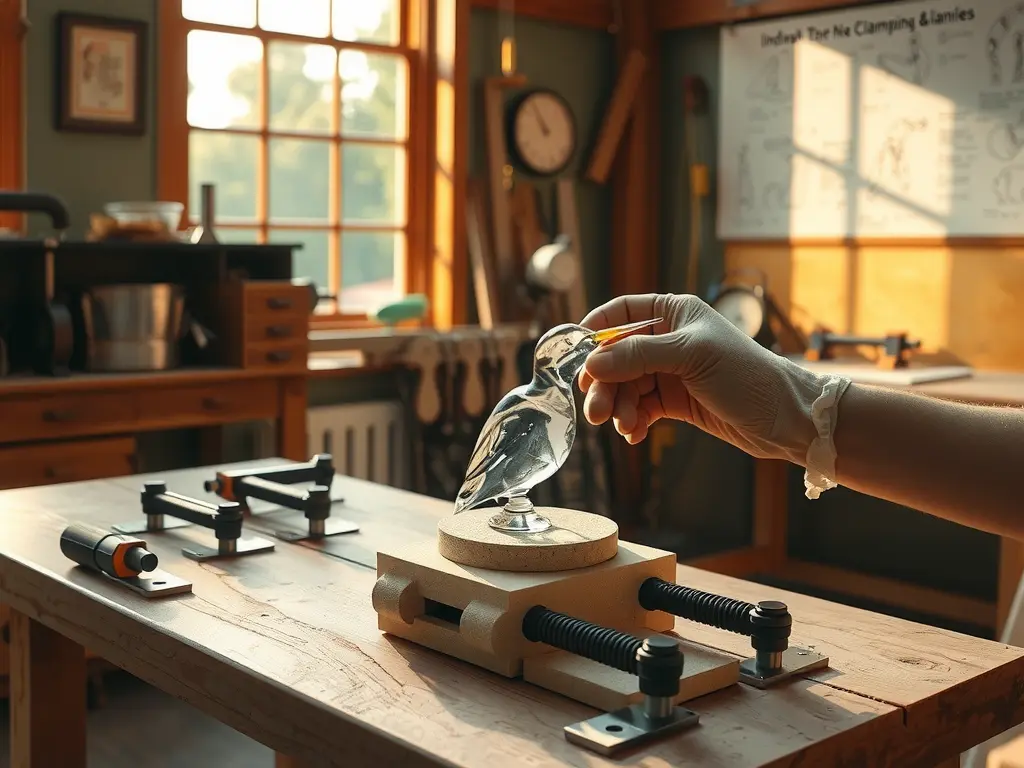
In high-precision manufacturing environments, maintaining the integrity of intricate components is crucial, as even slight mishandling can compromise their shape and functionality.
Traditional clamping methods often fall short, applying excessive pressure that can lead to damage, deformation, and costly rework, while manual handling can introduce human error.
Advanced workholding systems, which offer precision fixtures, have emerged as a solution to these challenges, providing a more efficient and effective way to handle delicate workpieces.
These systems incorporate soft jaws designed to apply gentle yet consistent pressure, minimizing the risk of damage and ensuring accurate part alignment.
Custom clamps and nonmarring grips are also being used to improve part handling, reducing the risk of scratches and marks that can compromise the surface finish. By adopting precision fixtures, soft jaws, workholding systems, custom clamps, and nonmarring grips, we can improve the accuracy and efficiency of our manufacturing process.
Precision Fixtures for Delicate Workpieces
In CNC machining, ensuring the integrity of delicate workpieces is crucial to achieve consistent and repeatable results. Traditional clamping methods often fall short, leading to marring, tooling damage, and inconsistencies.
The Problem with Rigid Clamping Methods
Traditional clamping methods rely on rigid jaws or clamps that can easily damage fragile materials.
This limited ability to grip and hold delicate workpieces leads to difficulties in achieving consistent results, resulting in costly rework and decreased productivity.
Introducing Vacuum Clamping Solutions
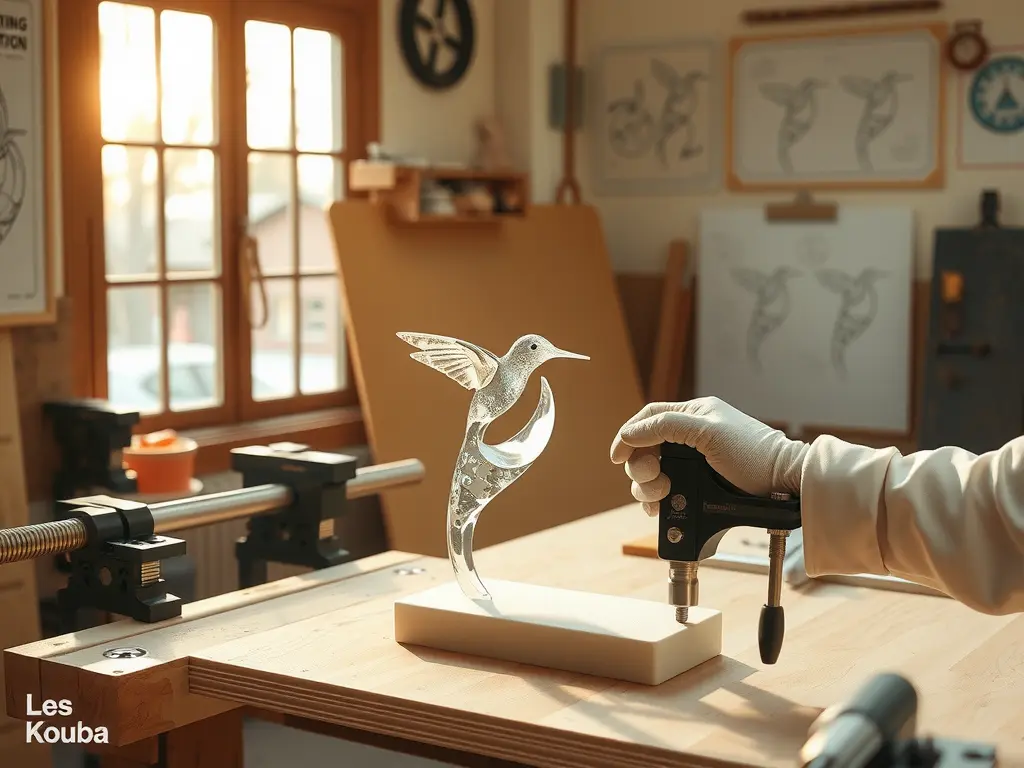
Precision vacuum clamping fixtures are custom-designed devices that provide a secure and gentle hold on workpieces. They are specifically engineered to accommodate unique workpiece geometries and materials, ensuring optimal stability and minimizing the risk of damage. Vacuum clamping offers significant benefits in CNC machining by providing lightweight fixtures, minimizing surface protection issues, and promoting modular workholding solutions.
Soft Jaws in Sensitive Applications
Delicate components require nuanced handling to prevent damage during manufacturing, where even mild stress can lead to severe consequences.
Effective manufacturing involves precise consideration of sensitive equipment to avoid damage and improve accuracy.
Working with specialized materials demands a thoughtful touch to prevent damage or bending during the clamping phase.
When dealing with brittle or thin materials, typical clamping methods can inevitably cause marks, scratches, or even breakage on the workpieces.
Faced with these challenges in various industries, innovative professionals are exploring novel solutions like ergonomic design to minimize problems.
Understanding the importance of careful component handling is one of the first steps forward.
With a focus towards ergonomic design, precision machines and low-profile clamps can reduce the risk damage. Working with sensitive stuff is like walking on extremely thin ice.
Soft jaws could be made from various pliable materials such as silicone or rubber that conform to the workpiece with an ergonomic design, precision alignment, gentle handling, tool optimization, low-profile clamps.
| Handling Methods | Consequences | Alternative Solutions | Benefits |
|---|---|---|---|
| Mild stress during manufacturing | Severe damage or breakage | Ergonomic design and precision machines | Minimized damage and improved accuracy |
| Typical clamping methods | Marks, scratches, or breakage | Low-profile clamps and soft jaws | Reduced risk of damage and improved handling |
| Brittle or thin materials | Breakage or bending | Precision alignment and gentle handling | Improved accuracy and reduced damage |
Workholding Systems for Fragile Components
When handling materials that are prone to shattering or breaking, manufacturers must balance precision and protection to prevent damage. The stakes are high, as even minor mistakes can result in costly delays and compromised product quality.
Importance of Workholding Systems
A well-designed workholding system is essential for ensuring precision and protection during manufacturing, particularly when working with fragile materials that require delicate handling.
By leveraging advanced workholding technologies, manufacturers can minimize damage and maximize efficiency in their production processes.
Traditional Workholding Methods May Not Be Suitable
Conventional clamping methods, such as those utilizing rigid fixtures or adjustable supports, may not be suitable for handling fragile workpieces. These traditional approaches can apply excessive pressure, causing damage or breakage due to the lack of antislip surfaces, which can be mitigated by implementing universal mounting, adjustable supports, fixture design, and precision engineering.
Custom Clamps for Unique Requirements
Effective workpiece handling relies on a nuanced understanding of material properties and task-specific requirements. Custom clamps are designed to meet these unique demands, providing a precise grip that minimizes stress on the workpiece.
Understanding the Importance of Custom Clamps
When working with soft-touch materials, traditional clamps can cause irreparable damage.
Custom clamps, engineered to provide a gentle hold, ensure the workpiece remains intact throughout the process.
The Role of Clamps in Minimizing Stress
By distributing the clamping force evenly, custom clamps reduce the risk of workpiece damage, ensuring repeatability and reliability in delicate operations. This is particularly important when working with materials that are prone to cracking or breaking, such as glass or ceramics, where hightolerance clamping is crucial. Material Compatibility and Clamping Force Management to ensure softtouch materials, repeatability, high-tolerance clamping, material compatibility, and clamping force management.
Key Points About Custom Clamps
- Traditional clamps can cause irreparable damage to soft-touch materials.
- Custom clamps provide a gentle hold to ensure the workpiece remains intact throughout the process.
- Custom clamps reduce the risk of workpiece damage by distributing clamping force evenly, ensuring repeatability and reliability.
- High-tolerance clamping is crucial when working with materials prone to cracking or breaking, such as glass or ceramics.
Nonmarring Grips for Safe Handling
Delicate assemblies often require a gentle touch to preserve surface quality, which is why specialized handling tools have become a crucial component in many manufacturing processes. These tools are designed to provide a secure hold on components without causing damage, ensuring that delicate parts are handled with care.
The importance of surface quality preservation cannot be overstated, especially in industries where a single scratch or mark can have significant consequences.
Traditional clamping methods can often lead to risk mitigation issues, as they may exert excessive force or leave behind residue, damaging the workpiece’s surface and compromising workpiece stability.
Nonmarring grips, on the other hand, use low-contact solutions that minimize the risk of damage. By providing a secure yet gentle grip, these devices ensure that components are properly positioned, reducing the risk of accidental drops and damage caused by vibration dampening. Automated clamping systems, which often rely on low-contact solutions.
Vacuum Clamping Techniques for Delicate Parts
When handling sensitive components, precision gripping technology is crucial to prevent damage during manufacturing and assembly processes.
In this regard, a toolless operation is essential to avoid scratch marks and other forms of surface damage that traditional clamping methods can inflict.
Unlike traditional clamping methods, vacuum clamping does not rely on rigid jigs or direct contact, reducing the risk of damage to specialty grips or delicate surfaces.
By utilizing vacuum pressure, delicate parts can be securely held without applying excessive force, allowing for uniform pressure and precise control, thus preventing the use of harsh fixturing.
The science behind vacuum clamping lies in the creation of a vacuum seal between the workpiece and the clamping surface, which is often equipped with protective coatings to enhance durability and minimize wear. Vacuum clamping systems can be categorized into portable, fixed, and semi-portable configurations each suited for specific applications such as providing protective coatings, using jigs, employing toolless operation, mounting with specialty grips, and utilizing versatile mountings.
Key Benefits of Vacuum Clamping
- Vacuum clamping does not rely on rigid jigs or direct contact to hold delicate parts, reducing the risk of damage to specialty grips or surfaces.
- Vacuum clamping utilizes vacuum pressure to securely hold parts without applying excessive force, allowing for uniform pressure and precise control.
- Vacuum clamping systems can be categorized into portable, fixed, and semi-portable configurations for specific applications.
- Vacuum clamping creates a vacuum seal between the workpiece and the clamping surface, often equipped with protective coatings to enhance durability and minimize wear.
Lightweight Fixtures for Easy Setup
In today’s fast-paced industrial landscape, ensuring efficient production is crucial to staying competitive, and one key factor to achieving this goal is the ability to make quick adjustments on the fly.
Efficient adjustments are vital in maintaining production flow, as downtime and material damage can lead to costly repairs, rework, and lost revenue.
Risks of damaging sensitive materials during setup are substantial, especially in delicate assembly applications, leading to costly repairs and rework, and significantly impacting production efficiency and competitiveness.
Lightweight fixtures have been designed with specific features that enable quick adjustments, including ergonomic handles, precision-adjustable components, and innovative materials that minimize weight without compromising strength, making them ideal for industrial applications.
Incorporating quick-release clamps and alignment aids into these fixtures further enhances their functionality, allowing for precision gripping and gentle hold. Flexible fixturing is also a feature of these fixtures that enables delicate assembly in industrial applications.
Ergonomic Design in Clamping Solutions.
In the world of manufacturing and engineering, a tiny misstep can have significant consequences. A misplaced touch, an unexpected slip, or a faulty design can lead to damage, injury, or even product failure.
To mitigate these risks, manufacturers have turned to precision clamping solutions that prioritize delicate workpieces.
Ergonomic design plays a crucial role in ensuring the safe and efficient handling of these workpieces.
In many industries, precision gripping and gentle hold are essential to prevent damage and achieve high-quality results.
By designing clamping systems with human factors in mind, manufacturers can reduce the risk of injury and improve overall efficiency.
This includes considering the physical limitations and capabilities of the user, as well as the specific requirements of the workpiece.
Designing for human factors is essential in creating effective clamping solutions. Custom workholding solutions can be designed to accommodate specific workpiece sizes and shapes, utilizing antiscratch materials for workpiece support and tension control.
Key Benefits of Precision Clamping Solutions
- A misplaced touch or unexpected slip can lead to damage, injury, or product failure in manufacturing and engineering.
- Ergonomic design is crucial in ensuring the safe and efficient handling of workpieces, especially in industries where precision gripping and gentle hold are essential.
- Designing clamping systems with human factors in mind can reduce the risk of injury and improve overall efficiency by considering the physical limitations and capabilities of the user.
- Custom workholding solutions can be designed to accommodate specific workpiece sizes and shapes, utilizing antiscratch materials for workpiece support and tension control.
Modifying a Bench Vise for Lure Making
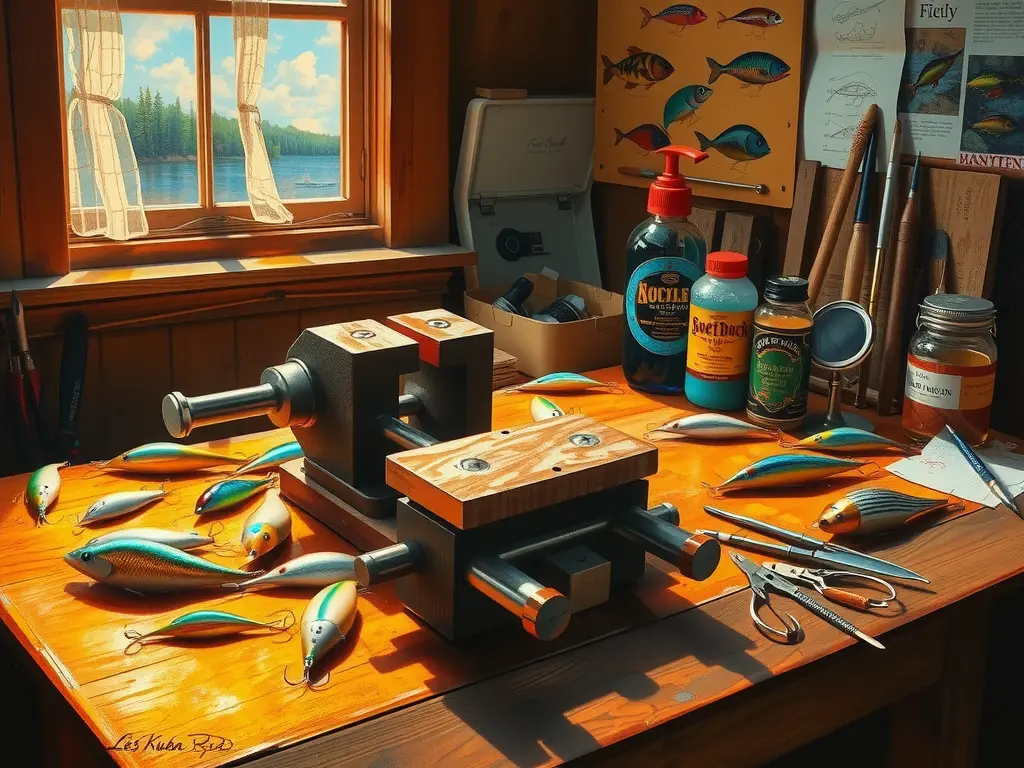
Precision work demands unwavering attention to detail, and a well-designed work environment can be the difference between a subpar outcome and a truly remarkable one. A high-quality bench vise serves as the bedrock for many precision tasks, offering stability and control that is essential for intricate projects.
The standard bench vise found in many workshops is versatile, but it may not be optimized for the specific demands of custom lure manufacturing.
By adapting a bench vise, crafters can tap into a range of benefits, including custom fitting, precise alignment, and effortless tooling.
A well-modified clamping system can unlock the full potential of a workbench setup, streamlining the process of creating high-quality fishing lures.
Choosing The Right Bench Vise
Craftsmanship in woodworking and metalworking often relies on a sturdy and reliable workholding solution, which is why a well-designed workbench vise is an essential tool in many DIY enthusiasts’ and professionals’ arsenals.
Assess Your Workspace and Lure-Making Needs: Before selecting the optimal tool for your projects, evaluate the space available in your workshop, the size and complexity of your DIY projects, and the types of materials you will be working with.
For instance, if you work with large lures or rods, you’ll need a vise with sufficient capacity to accommodate them securely.
A good bench vise must offer stability to prevent accidents and damage to your workpieces.
It should also allow for smooth vise jaws movement, allowing you to adjust the position of your lure as needed. This ensures that your crafting tools remain secure, and you can focus on perfecting your DIY projects with ergonomic design in mind.
Selecting Essential Tool Accessories
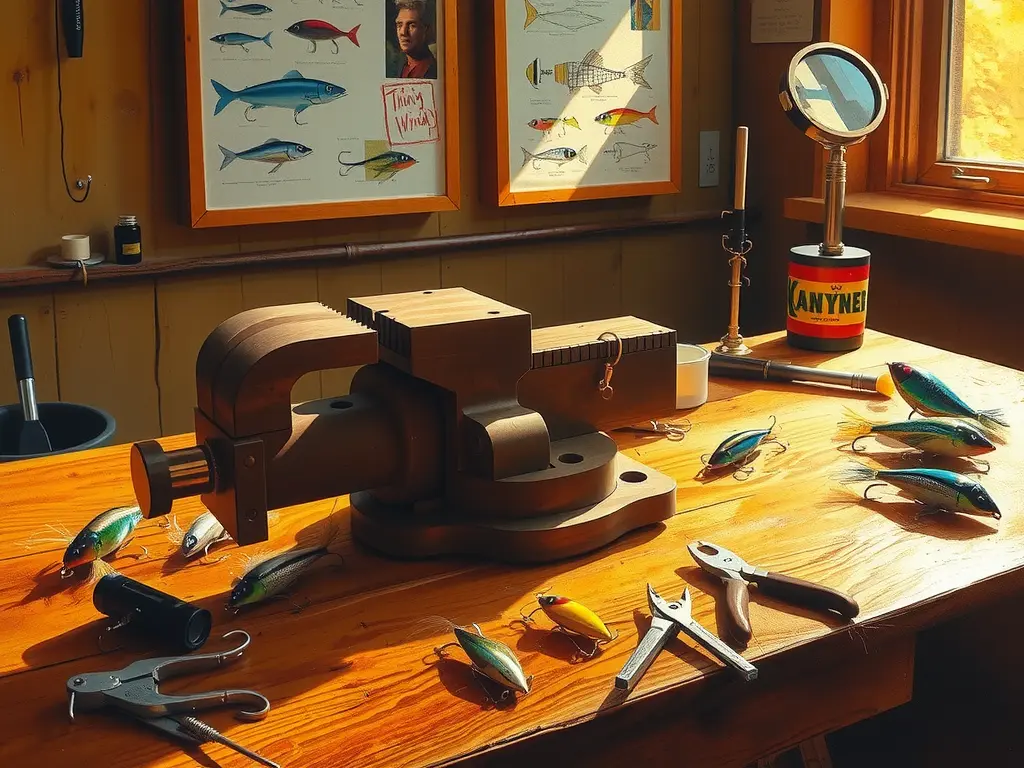
When optimizing your woodworking setup, the right tool attachments can significantly impact precision and productivity. By integrating precision scaling tools, including calipers for accurate measurements and depth gauges for precise depth control, you can refine your workflow and tackle complex projects with confidence.
To safeguard your workpieces and ensure a secure hold, consider investing in vise pads for customized surface support and material protection.
Clamp attachments can also be used to limit axial movement and guarantee stability, while trigger kits provide more secure hold and alteration options for a seamless crafting experience.
For ergonomic and optimized access, thumb wheels and levers can be integrated into your bench vise setup. Quick change devices enable efficient swapping of multiple tools, allowing you to focus on the task at hand and maintain a high level of precision throughout the crafting process. By incorporating these accessories into your woodworking, you can also tackle metalworking and precision tools, and store your angling supplies in a convenient tackle box.
| Tool Attachments | Purpose | Benefits |
|---|---|---|
| Calipers | Accurate measurements | Refine workflow and tackle complex projects with confidence |
| Vise Pads | Customized surface support and material protection | Safeguard workpieces and ensure a secure hold |
| Trigger Kits | Secure hold and alteration options | Seamless crafting experience |
Modifying Vise Jaws For Lure Design
Precision in tackle crafting and lure design requires a precise tool, and a well-modified vise jaw can be the difference between a successful catch and a frustrating loss.
Modifying a workspace to accommodate a bench vise for hobbyist equipment can enhance precision and efficiency, allowing anglers to reach new heights in lure making.
Choosing the right fastening tools for vise jaws is crucial for holding various lure designs securely in place.
Aluminum, steel, and Delrin are popular options due to their unique properties.
Aluminum offers excellent corrosion resistance, while steel provides durability and rigidity. Delrin, a type of acetal resin, is known for its low friction and high impact resistance.
When designing vise jaws for specific lure types, consider the shape and size of the lure. For soft plastic lures, a vice is required to hold the lure in place while shaping or molding.
Enhancing Workspace Organization For Tackle Making
Productivity suffers when the workspace is overtaken by chaos, negatively impacting output and time wasted.
Understanding the Importance of Workspace Organization
Research verifies that clutter significantly decreases productivity, up to 40%.
Clutter hampers focus on the current task at hand by promoting distractions.
The Link Between Clutter and Productivity
Efficient tackle making relies heavily on a workstation that is well-arranged, featuring a defined area for essential tools.
A crafting workstation equipped with a DIY lure mold showcases an example of organized layouts.
Necessary Tool Stations for Efficient Workflows
Streamlining storage effectively combats distractions, allowing individuals to maintain an organized space.
Investing in support brackets for tool storage promotes additional organization and productivity.
Storage solutions such as crafting station vises or fishing lures organization systems enhance working environments, providing necessary solutions for individuals to effectively pursue their craft.
Key Points About Workspace Organization
- Clutter can decrease productivity by up to 40%
- A well-arranged workstation is essential for efficient task tackling
- Streamlining storage effectively combats distractions and promotes productivity
- Investing in storage solutions can enhance working environments and promote productivity
Clamping System Adjustments For Crafting Tools
For any artisan or craftsman, investing in the right adjustable clamps can be the difference between a mediocre final product and a masterpiece. Just like a well-balanced anglers toolkit is crucial for a successful day on the water, having a reliable clamping system in place is essential for ensuring precise cuts and minimizing damage to delicate materials in crafting.
**
.
When it comes to lure crafting, a tool like a bench vise or a set of clamps is often the most underrated component of the tackle making process.
Understanding how to optimize its adjustable clamps can prevent common issues such as inaccurate cuts, material waste, and compromised lure quality.
**I A high-quality bench vise consists of a sturdy base, adjustable clamps that can be positioned to provide a secure hold on materials, and various tool mounting options to support anglers’ toolkit needs, allowing for effective tool maintenance that is essential for tackle making, custom tools, and fabrication.
Ergonomic Design Considerations In Tool Maintenance
Whether you’re an avid angler perfecting your fishing techniques or a skilled woodworker honing your craft, the tools you use can make a world of difference in your comfort and productivity. By incorporating ergonomic principles into your tool selection and workspace design, you can unlock a smoother, more efficient, and safer working experience.
When it comes to fishing accessories, for instance, a well-designed tackle box can make all the difference in reducing fatigue and increasing precision.
A multipurpose tackle organizer, for example, can be adjusted to accommodate various lures and jigs, keeping your workspace streamlined and clutter-free.
Ergonomic designs in tool maintenance are more than just a nicety – they’re a necessity for craftspeople and professionals who spend hours crafting, building, or fishing. A heavy-duty clamping system, for instance, makes it easier to work with lures and jigs, fishing baits, and other fishing accessories with improved tool efficiency by employing a multipurpose vise.
Ergonomic Designs in Tool Selection
- A well-designed tackle box can reduce fatigue and increase precision in fishing.
- A multipurpose tackle organizer can be adjusted to accommodate various lures and jigs, keeping the workspace streamlined and clutter-free.
- A heavy-duty clamping system improves tool efficiency by making it easier to work with lures and jigs, fishing baits, and other fishing accessories.
- Ergonomic designs in tool maintenance are a necessity for craftspeople and professionals who spend hours crafting, building, or fishing.
Building A Custom Workstation For Lure Crafting
Crafting the perfect lure requires more than just the right technique, it’s also about having the ideal workspace to bring your ideas to life.
When it comes to creating custom tackle, having the right tool solutions at your fingertips can make a world of difference.
A well-organized workspace with dedicated space for angling equipment can boost productivity, reduce errors, and even spark creativity.
Start by assessing your workspace efficiency, considering both the available space and the type of lure crafting you’ll be doing.
Measure the room, identify the essential materials required for prototype crafting, and plan your workflow and ergonomics to ensure comfort and efficiency. Next, visualize the ideal custom workstation setup that incorporates a comprehensive range of tool solutions, a custom workspace tailored to tackle organization and enhance workspace efficiency, and ergonomic features ideal for prototype crafting and angling equipment maintenance.
DIY Projects: Upgrading Your Vise For Fishing Gear
Transform Your Bench Experience with Handcrafted Enhancements. When precision and reliability matter most, DIY enthusiasts and professional anglers look for innovative ways to optimize their workflow.
By adding custom grip plates or crafting ergonomic device attachments, you can streamline your process and reduce slippage, ensuring a secure hold on a wide range of lures.
Section 1: Customization Techniques for Enhanced Grip
Employ customization techniques to create grip plates that match your specific lure making needs, reducing slippage and increasing productivity.
By experimenting with different materials and designs, you can unlock the full potential of your vise.
For delicate or fragile lures, adjustable tension controls allow for precise grip adjustment, giving you the confidence to work with even the most intricate tackle. These customization techniques, crafting methods, vise setups, ergonomic tools, device attachments, and workshop tools, can be organized and used in a comprehensive guide for metalworkers to improve efficiency and productivity in their workshop.
| Customization Techniques | Benefits |
|---|---|
| Employ customization techniques to create grip plates | Reduce slippage and increase productivity |
| Adjustable tension controls for precise grip adjustment | Confidence to work with intricate tackle |
| Crafting methods and vise setups | Improve efficiency and productivity in the workshop |
Maintaining Your Tools for Longevity
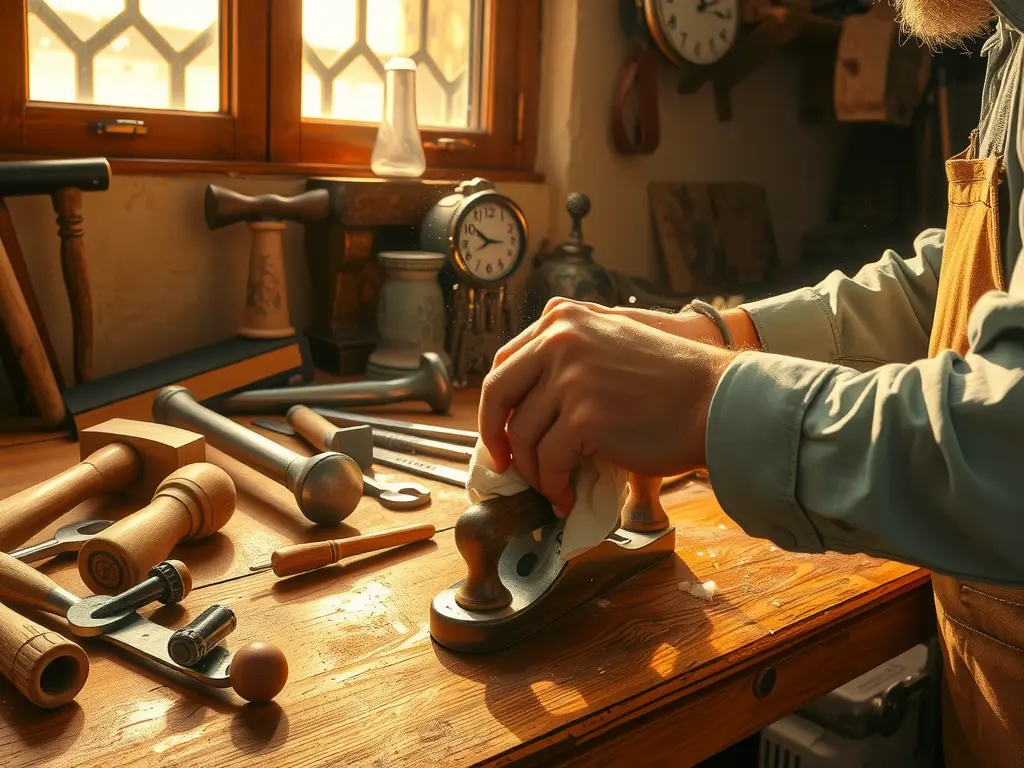
Diligent equipment maintenance is essential for sustaining peak performance and efficiency in any workplace or industry.
According to a study by the National Institute for Occupational Safety and Health (NIOSH), poorly maintained equipment can lead to accidents and injuries, resulting in significant financial losses.
Daily cleaning and inspection are crucial for removing dirt, dust, and debris that can cause premature wear and tear, ultimately reducing tool effectiveness.
Regular sharpening of cutting edges can extend the lifespan of equipment by up to 30% and reduce tool fatigue, ensuring a smoother workflow.
Storage and organization are vital for preventing damage, loss, and corrosion, and can be achieved by using equipment storage solutions and designated storage areas. Material maintenance, such as lubricating, ensures the longevity strategies of tool care, equipment maintenance, and tool preservation.
Importance of Tool Care
The backbone of any successful project or business lies in the quality and longevity of its tools. Properly maintained tools are a key factor in ensuring the success of any business or project, as they can significantly impact productivity and efficiency.
Regular maintenance routines are essential to extend the lifespan of tools and prevent frequent replacements, reducing costs and increasing the overall value of the equipment.
By investing a little time and effort into maintaining their tools, individuals and organizations can reap substantial rewards in terms of productivity and cost savings.
Properly maintained tools operate with optimal tool efficiency, reducing the risk of accidents and improving overall productivity, which ultimately leads to a safer working environment and increased employee morale. Effective tool care is not just a matter of routine upkeep, but also a vital investment in the well-being of those who use them. DIY enthusiasts and professionals alike can save time and money by employing advanced repair maintenance routines, tool efficiency, repair techniques, cleaning methods, and rust prevention.
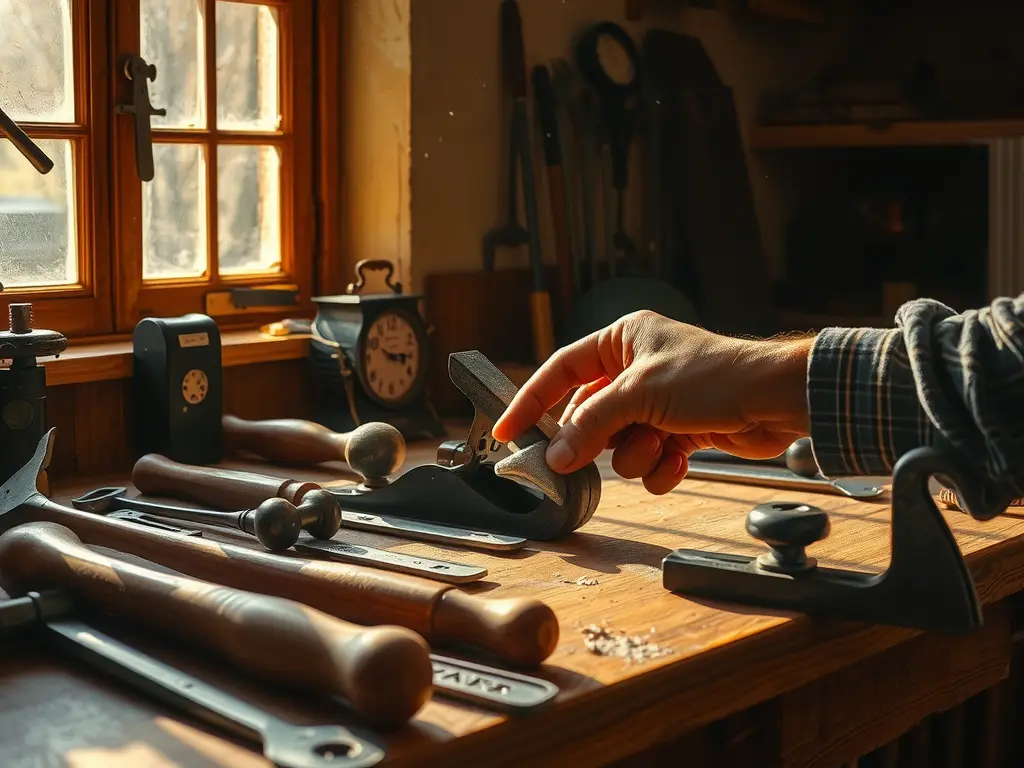
Effective Equipment Maintenance Practices
Implementing proper storage procedures, effective maintenance strategies, and timely servicing are essential for maximizing equipment lifespan and minimizing downtime.
to Maintenance Strategies
Understanding the Importance of Maintenance: Regular upkeep is a crucial aspect of extending the life of equipment, preventing unexpected breakdowns, reducing maintenance costs, and ensuring optimal performance.
Proper maintenance also enables operators to stay on top of routine tasks, such as cleaning and lubrication.
Identifying Equipment Types and Maintenance Needs: Each type of equipment has unique maintenance requirements, and it’s essential to identify the specific needs of your equipment to develop a targeted maintenance plan.
Sharpening tools and utilizing relevant maintenance schedules are critical components in this process.
Developing a Maintenance Schedule: A well-structured maintenance schedule helps prevent equipment failures, reduces downtime, and ensures that maintenance tasks are completed on time. By following this routine, operators will ensure proper storage, sharpening tools, organization, user manuals, and maintenance schedules.
| Importance of Maintenance | Benefits of Poor Maintenance | Key Maintenance Components | Maintenance Schedule Benefits |
|---|---|---|---|
| Extends equipment lifespan | Unexpected breakdowns and equipment failure | Regular upkeep, cleaning, and lubrication | Prevents equipment failures and reduces downtime |
| Prevents unexpected breakdowns | Reduces maintenance costs | Sharpening tools and utilizing maintenance schedules | Ensures optimal performance and timely completion of maintenance tasks |
| Reduces maintenance costs | Reduces equipment lifespan | Identifying equipment types and maintenance needs | Helps to stay on top of routine tasks and organization |
| Ensures optimal performance | Increases downtime | Proper storage and organization | Ensures that maintenance tasks are completed on time |
Strategies for Tool Preservation
Preserving tools effectively is vital to minimize equipment downtime and maintenance costs, ultimately leading to performance optimization and increased productivity.
Environmental factors such as temperature fluctuations, humidity, and chemical exposure can compromise tool durability, negatively affecting their overall durability enhancement and lifespan.
Proper storage is a critical aspect of tool preservation, involving the use of dry, clean storage areas with minimal humidity and contamination to reduce the risk of rust and corrosion, thereby ensuring safety measures and preventing equipment failure.
Regular cleaning and degreasing are essential for maintaining tool performance, involving the removal of dirt and grime that can accumulate on tool surfaces, hindering their functionality and impacting durability enhancement.
Lubrication and maintenance schedules should also be implemented to prevent equipment failure and ensure continued tool performance optimization, reducing the need for costly replacements and downtime. Effective tool preservation techniques include implementing safety measures, such as storing tools in containers, conducting regular performance optimization, performing routine inspection, ensuring durability enhancement, and providing regular servicing.
Benefits of Longevity Strategies
Embracing a proactive approach to extending the operational lifespan of business assets can lead to a significant reduction in costs and improved efficiency over time, thanks to a combination of preventive maintenance, reduced waste, and enhanced functional efficiency.
Implementing longevity strategies in this manner can significantly impact business operations, driving substantial cost savings and increased efficiency.
This is achieved through a multifaceted approach that includes proactive measures to mitigate the effects of wear and tear on equipment and machinery, minimizing the need for costly replacements and reducing the financial burden on the organization.
By focusing on preventive maintenance, businesses can significantly extend the lifespan of their assets, thus reducing the frequency of replacements and minimizing the associated costs.
This strategic approach enables organizations to optimize their resources, making the most of their operational lifespan.
Longevity strategies can also have a profound impact on workforce productivity and job satisfaction. When employees feel invested in and supported, there is a positive impact on the operational lifespan, functional efficiency, wear and tear is reduced, replacements are minimal, and tips and recommendations are exchanged.
Benefits of Implementing Longevity Strategies
- Implementing longevity strategies can lead to a significant reduction in costs and improved efficiency over time, thanks to a combination of preventive maintenance, reduced waste, and enhanced functional efficiency.
- By focusing on preventive maintenance, businesses can significantly extend the lifespan of their assets, thus reducing the frequency of replacements and minimizing the associated costs.
- Longevity strategies can also have a profound impact on workforce productivity and job satisfaction, resulting in a positive impact on the operational lifespan, functional efficiency, and reduced wear and tear.
- A multifaceted approach that includes proactive measures to mitigate the effects of wear and tear on equipment and machinery can minimize the need for costly replacements and reduce the financial burden on the organization.
Preventative Maintenance Techniques
Maintaining machinery and equipment through regular cleaning and lubrication techniques ensures optimal performance and longevity by reducing wear and tear over time.
Preventative Maintenance Techniques
Importance of Regular Checks
-
Critical for maintaining efficiency: Inadequate maintenance can lead to tool failure.
-
Promotes regular inspection: Spotting potential issues can extend the lifespan and overall performance.
Key Techniques for Maintenance
-
Carry out regular professional servicing on equipment to catch potential problems early and ensure it is running smoothly, with annual checks being the minimum. This includes regular lubrication of moving parts, use of noncorrosive products, and application of lubrication techniques to areas prone to wear and tear, as part of professional servicing and seasonal checks to ensure optimal restoration of the device.
The Role of Proper Storage
Smart storage solutions for optimal tool life start with a well-thought-out plan. Effective tool maintenance hinges on a well-planned storage system, as it shields tools from damage and environmental stressors.
Proper storage is a safeguard for tools, directly impacting their longevity.
Damage from environment can occur when tools are exposed to extreme temperatures, humidity, or chemicals.
This can lead to deterioration and compromise the tool’s functionality. Battery care measures can be put in place to mitigate the risk of damage caused by such factors.
Proper storage, on the other hand, ensures tools are protected from physical pressure and scratches, which can arise from improper packaging or storage. Calibration checks can help identify potential issues before they become major problems.
Tools that are not balanced or supported properly can suffer physical damage.
Organization and controlled environments play a crucial role in tool longevity. When tools are stored in a controlled environment battery care, calibration, accessories, workshop organization, and checklists can all be effectively managed and maintained.
Key Factors in Tool Storage and Maintenance
- Extreme temperatures, humidity, or chemicals can cause tool deterioration and compromise functionality.
- Proper storage shields tools from physical pressure and scratches, which can arise from improper packaging or storage.
- Calibration checks can help identify potential issues before they become major problems, ensuring tools are balanced and supported properly.
- Controlled environments enable effective management and maintenance of battery care, calibration, accessories, workshop organization, and checklists.
Essential Cleaning Methods
Maintaining a cluttered and disorganized toolbox can lead to wasted time, money, and even safety risks, making it essential to develop effective inventory management strategies for tool upkeep.
Effective tool management is crucial for any professional or DIY enthusiast, as it directly impacts the longevity and performance of equipment.
Tools are frequently exposed to environmental factors such as dust, dirt, and moisture, which can damage their precision and functionality.
Regular cleaning is vital to maintain their performance and ensure they continue to function optimally.
Cleaning tools properly is not only a matter of safety practices, but also a cost-effective way to extend the life of equipment and prevent resource waste. To achieve this, reviewing ecofriendly products and safety guidelines is necessary to avoid damaging sensitive tools.
Understanding the material your tool is made of and what type of cleaning products are safe to use is essential for effective inventory management, adherence to usage guidelines, choosing ecofriendly products, following safety practices, and proper resource management.
Understanding User Manuals for Longevity.
Unlocking the full potential of your valuable possessions requires more than just purchasing them; it demands a thoughtful approach to maintenance and upkeep. The product life cycle of any tool or appliance is significantly influenced by how well it is cared for, and one of the most effective ways to ensure its longevity is by adhering to the manufacturer’s guidelines.
Reading and adhering to user manuals is a crucial step in ensuring the optimal performance and longevity of your tools and appliances.
This simple yet often-overlooked habit can make a significant difference in extending the life of your valuable possessions, saving you money, and ensuring a safer working environment.
Understanding user manuals offers a wealth of benefits, including preventing costly repairs, enhancing safety, and maximizing performance. By fully comprehending the instructions and guidelines outlined in the manual, you can unlock the hidden potential of your tools, effectively manage the product life cycle, consider warranty implications, stay informed about upgrades, conduct performance testing, and utilize taskspecific tools.
Benefits of Reading User Manuals Consequences of Ignoring User Manuals Prevents costly repairs Increases risk of product failure Enhances safety Compromises safety and increases risk of accidents Maximizes performance Reduces product lifespan and performance
Polishing Techniques for a Professional Finish

A craftsman’s mastery is often evident in the precision and finesse they bring to every project. Their ability to anticipate and address even the slightest imperfections sets them apart from those who simply rush through a job.
With attention to detail being a hallmark of quality, one can appreciate how meticulous care in preparation yields remarkable results.
Surface refinement is a critical component of achieving a high-quality finish.
It involves identifying and addressing any imperfections or irregularities on the surface, thereby creating a foundation for a smooth and even finish. This meticulous approach not only ensures that the surface is free from any blemishes but also lays the groundwork for the final finish to shine with an enhanced quality. Understanding the optimal grit sequence and polish compound combination is essential for successful surface refinement, shine enhancement, buffing methods, polishing compounds, and luster application.
Understanding Surface Refinement Techniques
Achieving a high-quality finish is a vital aspect of product manufacturing, as it significantly enhances the overall appearance and longevity of a product.
Understanding the importance of surface quality is essential in various industries, including manufacturing, automotive, and aerospace.
A high-quality surface finish is critical in ensuring the durability and longevity of a product.
Improper surface preparation can lead to a range of issues, including scratches, marks, and uneven finishes.
Common applications where surface refinement techniques are used include automotive detailing, aerospace manufacturing, and industrial equipment finishing.
Grinding and sanding are two finishing products commonly used to smooth out surfaces and remove imperfections.
Grinding uses abrasives to remove material and smooth out surfaces, while sanding uses finer abrasives to polish and refine surfaces.
Cleaning and degreasing are also essential steps in surface preparation, involving the removal of contaminants to achieve a smooth finish. The finishing products, abrasives, gloss levels, and surface smoothing combined to create a high quality automotive detailing result.

The Role of Polishing Compounds
Achieving a high-quality finish requires precision and the right tools, making polishing compounds a crucial component in the finishing process.
The Role of Polishing Compounds
Types of Polishing Compounds
Cerium oxide, a mild abrasive, is commonly used for metal and glass surfaces, providing a gentle yet effective polish for high-gloss finishes.
Aluminum oxide, a coarse abrasive, is suitable for heavy metal and wood surfaces, removing imperfections and scratches through mechanical buffing.
The use of silicon carbide, a medium-grit abrasive, is widespread for both metal and wood surfaces, offering a balance of effectiveness and gentleness when applying finishing touches.
Diamond, a very fine abrasive, is reserved for precision polishing and metal surfaces, providing a high-shine finish and protecting ceramic coatings. Mimicking the techniques used in highgloss finishes, mechanical buffing, ceramic coatings, and finishing touches require a variety of polishing pads.
Shine Enhancement Best Practices
Acquiring a flawless finish on any material is a delicate dance between technical expertise, product quality, and attention to detail. A combination of skill, patience, and the right tools is essential to achieve a brilliant shine without compromise.
Surface preparation is the foundation upon which a high-quality finish is built.
It involves thoroughly cleaning and degreasing the surface to remove any imperfections or contaminants that could impact the final result, and then applying a gentle coat of detail spray to maintain moisture levels and prevent the formation of microabrasive particles.
Understanding the type of finish desired is crucial for selecting the appropriate polishing techniques and products.
A satin finish, for example, requires a more aggressive approach with high-quality polishing compounds, while a high-gloss finish necessitates the use of microabrasives and a clear coat application to achieve a smooth, reflective surface. Microabrasives are used for surface preparation, followed by clear coat application, detail spray, and finally wax application.
Buffing Methods for Professionals
Refining the Craft of Surface Finishing For perfectionists who strive to deliver exceptional results, the art of surface finishing holds a crucial position in their workflow. Mastering the right techniques and tools can make all the difference in achieving a professional finish that not only upgrades the appearance of a surface but also withstands the test of time.
In the world of surface finishing, proper surface preparation is the foundation upon which a flawless result is built.
This involves meticulously ensuring the surface is scrubbed clean of dirt, oils, and other contaminants that can impede the buffing process.
Buffing is a vital component in the enhancement of surfaces, as it has the power to not only eliminate imperfections and scratches but also to create a smooth, even finish that can withstand the rigors of regular use. By incorporating polishing machines, restoration techniques, compound selection, and professional tools into their workflow, professionals can elevate their craft and deliver remarkable results.
Key Points in Surface Finishing
- Proper surface preparation is the foundation upon which a flawless result is built, involving meticulous cleaning of dirt, oils, and other contaminants.
- Buffing is a vital component in the enhancement of surfaces, capable of eliminating imperfections and scratches, and creating a smooth, even finish.
- Incorporating polishing machines, restoration techniques, and professional tools into the workflow can elevate the craft of surface finishing and deliver remarkable results.
- A professional finish not only upgrades the appearance of a surface but also withstands the test of time, making it a crucial aspect of a perfectionist’s workflow.
Gloss Levels Explained
In the world of refinishing, understanding the subtleties of gloss levels is crucial for achieving the desired aesthetic and durability of a finish. It’s essential to grasp the distinct characteristics of different gloss levels, as each has its unique implications and applications.
The importance of surface preparation in achieving an optimal finish cannot be overstated.
A well-prepared surface ensures a uniform and consistent finish, regardless of the gloss level chosen.
A variety of agents are available for different applications, from hand tools to powered tools, each designed to provide specific results. Understanding the differences and proper use of each is crucial for achieving the desired finish.
Maintaining equipment for longevity and safely handling and using buffers are also vital aspects of the polishing process.
There are three primary gloss levels: low-luster, semi-gloss, and high-gloss. Recognizing the right gloss level can dramatically affect visual appeal based on refinishing, agents, surface treatments, metal polishing, and wood finishing.
Essentials of Surface Preparation
A flawless finish begins with a solid foundation, where the surface is meticulously prepared to ensure a polished outcome.**
A thorough understanding of surface preparation is crucial in achieving a professional finish. The role of surface preparation in polishing cannot be overstated, as it directly impacts the final result.
During the assessment phase, a visual inspection is the first step in identifying surface imperfections and blemishes using wheels.
This helps determine the best approach for surface preparation, which may involve using cleaning agents and techniques to remove debris and contaminants.
Using appropriate cleaning agents and techniques is essential in clearing the way for a smooth finish. Effective methods for removing debris and contaminants include using diamond polishing pads, which can help improve the texture of the surface.
Smoothing and stripping techniques are critical in creating a smooth canvas for polishing. Effective buffing pads can make a significant difference in the final result.
Key Steps in Surface Preparation
- A thorough visual inspection is the first step in identifying surface imperfections and blemishes using wheels.
- Effective methods for removing debris and contaminants include using diamond polishing pads, which can help improve the texture of the surface.
- Smoothing and stripping techniques are critical in creating a smooth canvas for polishing.
- Using appropriate cleaning agents and techniques is essential in clearing the way for a smooth finish.
Tools and Equipment for Polishing
Achieving a flawless finish in polishing requires precision, patience, and the right arsenal of tools and equipment. A well-equipped polishing station is crucial for producing high-quality results, and the choice of tools is often the first step towards a successful outcome.
To start, selecting the correct polishing media is a critical decision that can make or break the polishing process.
Different types of polishing media, such as ceramic, felt, and foam, offer varying levels of effectiveness depending on the material, size, and shape of the polishing task.
For effective polishing, several key tools are essential, including:
Polishing machines, like dual-action, rotary, and orbital polishers, which cater to specific polishing needs with their unique features
Pad conditioners and dressing agents, crucial for maintaining the effectiveness of polishing pads
Proper surface preparation is also vital prior to polishing.
Final Touches for a Professional Finish.
The distinction between a professional finish and a mediocre one often lies in the subtlety of its nuances.
Proper surface preparation is fundamental to achieving a professional-grade finish, which involves ensuring the surface is free from dust, debris, and other contaminants that can affect the outcome, including the use of synthetic solutions.
A thorough cleaning and degreasing of the surface is essential before applying any coatings or finishes.
A high-gloss finish can be achieved with the right natural finishes, while a smooth, even surface is critical.
When it comes to finishing, the right technique is crucial and must include the correct tool selection. Circular, linear, and orbital buffing methods can produce varying results, and selecting the correct buffing pad and polish is vital for the desired effect, including the option to use ultrafine buffing compounds. Waxing techniques can provide a high-gloss finish when combined with ultrafine buffing or natural solutions that result in a variety of finishes including matte finish and synthetic solutions in pastes.
Key Factors for Achieving a Professional Finish
- Proper surface preparation is essential to achieving a professional-grade finish, including ensuring the surface is free from dust, debris, and other contaminants.
- The right technique and tool selection are crucial for achieving the desired finish, including the use of circular, linear, and orbital buffing methods.
- Selecting the correct buffing pad and polish is vital for the desired effect, including the option to use ultrafine buffing compounds.
- A thorough cleaning and degreasing of the surface is essential before applying any coatings or finishes to achieve a high-gloss or smooth finish.
Using Rotary Tools for Lure Shaping
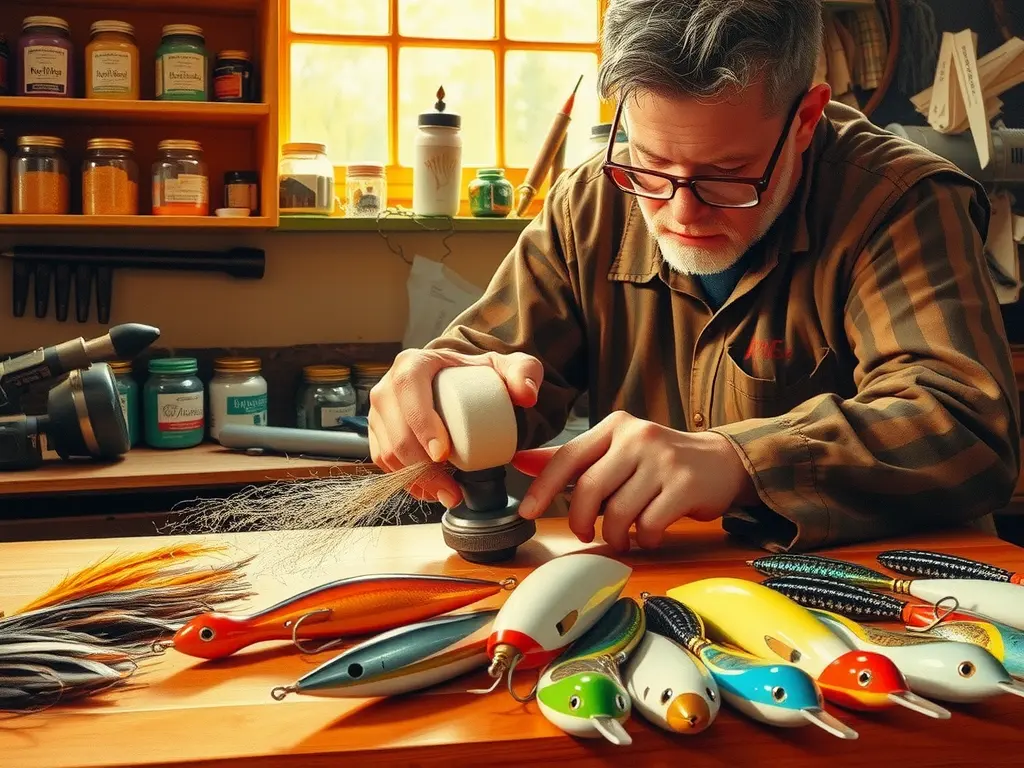
Crafting the perfect fishing lure requires a combination of art and precision, where a small variation in design can make a significant difference in its effectiveness. To stay ahead of the game, many anglers are turning to innovative methods to create unique and effective baits.
Rotary tools have emerged as a preferred choice for lure crafting, offering precision and versatility that makes them an excellent tool for anglers looking to create custom lures that outperform store-bought alternatives.
This is due to their ability to unlock creative potential, allowing anglers to experiment with various shapes, sizes, and textures.
With rotary tools, anglers can grind and shape lures with precision control, allowing for intricate designs and details that would be difficult to achieve with other tools. This refers to the various rotary tools, lure crafting, shaping techniques, fishing lures, and tool accessories used in the hobby.
Choosing Rotary Tools for Lure Crafting
The art of lure crafting has become increasingly popular among anglers, with many seeking to create custom lures that outperform store-bought options. Precision shaping is a key aspect of this process, and rotary tools play a vital role in achieving intricate designs and patterns.
For those new to lure crafting, understanding the role of rotary tools is crucial.
These power tools use a rotating shaft to shape and detail lures, making them an ideal choice for anglers who want to create intricate designs and patterns.
A brief history of rotary tools in lure crafting reveals that they have been a staple in the industry for decades. Early rotary tools were often cumbersome and difficult to use, but advancements in technology have led to the development of more ergonomic and user-friendly craft knives. Key characteristics of rotary tools for lure shaping include speed and torque levels, collet types and compatibility, and ergonomics, which also influence precision shaping, power tools, craft knives, CNC machines, and drill bits.

Advantages of Precision Shaping Techniques
A key factor in determining the success of a fishing trip lies in the performance of the lure, which can make all the difference between reeling in a catch and going home empty-handed. A well-crafted lure that withstands the rigors of the water can mean the difference between a thrilling experience and a disappointing day on the water.
When it comes to crafting lures that perform optimally, the process of precision shaping plays a crucial role.
This meticulous process involves using specialized tools, such as sanding drums, to shape the lure to precise dimensions and features, resulting in a product that is both durable and attractive to fish.
Precision shaping techniques can significantly impact the performance of a lure, enabling anglers to optimize its shape and size for improved fish attraction. This, in turn, can lead to a more enjoyable user experience, as anglers are more likely to catch fish while making sanding drums, modeling tools, engraving tools, rotary cutters, and working on various DIY projects.
Key Factors in Lure Performance
- A well-crafted lure that withstands the rigors of the water can make the difference between a thrilling experience and a disappointing day on the water.
- Precision shaping techniques can significantly impact the performance of a lure, enabling anglers to optimize its shape and size for improved fish attraction.
- The process of precision shaping involves using specialized tools, such as sanding drums, to shape the lure to precise dimensions and features.
- Durable and attractive lures can lead to a more enjoyable user experience, with anglers more likely to catch fish.
Essential Tool Accessories for Lure Design
Effective crafting processes depend on the right accessories for rotary tools, making every project a success. A well-equipped workshop is not just about the primary tool itself, but also about the array of accessories that complement its functionality.
By investing in the right rotary tool accessories, crafters can significantly boost their productivity and achieve professional-grade results.
Understanding Rotary Tool Options and Requirements
When it comes to selecting the ideal rotary tool, several factors come into play.
A cable rotary tool is ideal for projects requiring constant power supply, while a cordless option offers flexibility and convenience. Key characteristics influencing accessory selection include power, speed, and ergonomics, ensuring a comfortable crafting experience.
Understanding these requirements is crucial in choosing the right accessories that align with your specific needs. For anglers and enthusiasts, essential tool accessories for lure design include resin casting, lure design, fish attractants, custom lures, and surface finishing.
Exploring Shaping Jigs for Effective Lures
Lure crafting requires precision, and it all starts with the right tools. For anglers and lure makers, the difference between a successful catch and a frustrating day on the water often comes down to the quality of the lure.
One often-overlooked aspect of lure crafting is the importance of shaping jigs in producing effective lures.
Shaping jigs are specialized tools used to shape and mold lures into specific designs.
They are designed to produce consistent results, reducing the need for manual adjustments and minimizing the risk of errors.
Understanding the Importance of Shaping Jigs
Proper use of these handheld tools can make or break the quality of a lure. Shaping jigs and handheld tools are essential for ensuring uniformity and effectiveness in lure designs, as they enable anglers to replicate the exact curves of ergonomic handles found in many portable tools and woodworking fixtures.
Importance of Shaping Jigs in Lure Crafting
- Shaping jigs are specialized tools used to shape and mold lures into specific designs, producing consistent results and reducing manual adjustments.
- Proper use of shaping jigs can make or break the quality of a lure, ensuring uniformity and effectiveness in lure designs.
- Shaping jigs enable anglers to replicate the exact curves of ergonomic handles found in many portable tools and woodworking fixtures.
- The quality of the lure often comes down to the quality of the shaping jig used, with a good one leading to a successful catch and a poor one resulting in a frustrating day on the water.
DIY Projects with Rotary Tool Capabilities
Engaging in DIY projects can be an excellent way to express oneself and showcase creativity, as well as provide a sense of personal satisfaction. Whether it’s crafting unique acrylic lures or experimenting with various molding techniques, the process of creating something from scratch can be incredibly fulfilling.
The Benefits of DIY Lure Crafting
The advantages of crafting your own lures are numerous and far-reaching.
Firstly, DIY lure crafting can boost creativity and personal satisfaction by allowing you to unleash your imagination and bring unique ideas to life.
Crafting your own lures gives you the customization options that may not be available with store-bought lures, ensuring that your lure matches your specific fishing needs. Crafting your own lures is also a cost-effective alternative to buying pre-made lures, as the cost of materials such as acrylic lures, molding techniques, painting, varnishing, and polishing can be significantly lower.
Best Practices for Surface Finishing Lures
When it comes to crafting high-performance fishing lures, a well-executed finishing process is just as crucial as the initial design and material selection.
A well-crafted lure requires a smooth surface finish to ensure optimal performance in the water.
It reduces drag, allowing the lure to move more naturally through the water, and prevents the lure from getting stuck in vegetation or underwater obstacles.
The type of plastic used in lure manufacturing can greatly impact the surface finish.
Some plastics, like ABS and PVC, are more prone to scratches and imperfections than others, like polyurethane and polycarbonate, which require regular lathe work to maintain their finish.
Before applying any finishing techniques, the lure surface must be thoroughly cleaned and prepared. This involves removing any debris with a soft brush and gentle solvent, and then using a high-quality accessory kit to deburr and smooth out any rough edges, as well as ensuring the tool’s alignment and calibration through lathe work and tool maintenance, and verifying the carving patterns and design templates are correct.
Key Facts About Lure Finishing
- A smooth surface finish is crucial for optimal lure performance in the water.
- Plastics like ABS and PVC are more prone to scratches and imperfections than others like polyurethane and polycarbonate.
- The lure surface must be thoroughly cleaned and prepared before applying finishing techniques.
- Lathe work and tool maintenance are necessary to ensure the tool’s alignment and calibration.
Understanding Lure Anatomy for Effective Shaping
Effective fishing tackle design begins with a deep understanding of its underlying mechanical and aesthetic components, which is the foundation of crafting lures that catch the eye and the fish.
Typical components of a lure manufacturing process include diverse head sizes, with some manufacturers producing larger pieces and others smaller ones, reflecting varying design philosophies and construction materials.
Familiarity with plastic lures in the 3D printing process highlights the importance of durable lure finishes, such as robust paint coats, which should be applied with significant weight to avoid damage.
Although these factors often go unnoticed in the production process, they have a profound impact on the overall product quality, even in high-end fishing tackle and small-scale manufacturing alike.
Upon closer inspection of a lure’s inner workings, one notably critical detail catches the eye – the cross-shaped component’s dimensions play a crucial role in determining the entire design.
Safety Measures When Using Power Tools.
In the world of crafting and DIY projects, the power tool is an unsung hero that makes tasks efficient and enjoyable. This increased productivity comes with a price, and that price is the need for vigilant safety measures to prevent accidents and ensure a more enjoyable experience.
Crafting and DIY projects rely heavily on specialized tools, and when working with these tools, it’s essential to prioritize personal protective equipment (PPE) as the foundation of safety.
This includes essential items like safety glasses, ear protection, and a dust mask.
Wearing proper PPE can prevent serious injuries, such as eye damage, hearing loss, and respiratory problems. It’s also crucial to choose the right safety glasses for the task at hand, taking into account the type of tool being used and the potential hazards involved, especially when working with specialty bits. In addition to PPE, regularly inspecting vibration control, safety measures, workshop tools, crafting materials, and specialty bits.
| Personal Protective Equipment (PPE) | Importance of Regular Inspection | Types of Safety Hazards | Preventable Injuries |
|---|---|---|---|
| Safety glasses, ear protection, and dust mask | Vibration control, workshop tools, and crafting materials | Eye damage, hearing loss, and respiratory problems | Eye damage, hearing loss, and respiratory problems |
| Essential for preventing serious injuries | Regular inspection helps prevent accidents | Specialty bits and power tools | Eye damage, hearing loss, and respiratory problems |
| Choose the right safety glasses for the task | Inspect tools and materials before use | Power tools and specialty bits | Eye damage, hearing loss, and respiratory problems |
Choosing the Right Grit: Sandpaper Selection Guide

Professional woodworkers understand the significance of a smooth finish, which is often compromised by improper surface preparation. Selecting the right tools for this process is crucial, as it directly impacts the final outcome.
The first step in achieving a polished finish is choosing the right abrasive materials, a decision that largely depends on the type of project you’re working on.
There are three main types of sandpaper: open-coat, closed-coat, and paper-backed.
Open-coat sandpaper is ideal for pre-sanding large areas due to its thin, even layer of abrasive materials.
Closed-coat sandpaper, with its thick, evenly spread layer, excels in finer sanding and polishing applications. The selection of the right grit of sandpaper is crucial in surface preparation for a successful finishing and polishing operation.
Understanding Sandpaper Grades
Many professionals rely on various tools and techniques to achieve a smooth finish in their work, but sandpaper remains an essential component across diverse industries, particularly in woodworking and metalworking.
When it comes to sandpaper, the type of material used is just as important as the grit level.
Open-coat sandpaper, for example, has a more open structure, allowing for better dust removal and a faster cutting rate.
On the other hand, closed-coat sandpaper has a more uniform structure, resulting in a finer finish and reduced loading, making it ideal for applications like drywall sanding.
Understanding the main types of sandpaper materials and their applications can help you make informed decisions when selecting the right sandpaper for your project, whether you’re involved in drywall sanding or metalworking. For instance, coarse grit sandpaper (80-120) is commonly used for removing paint removal.

Choosing The Right Grit For Woodworking
Proper tool selection is the foundation of any woodworking project, as it directly affects the final outcome and appearance of the wood. A woodworking project can be likened to a puzzle, with each tool playing a vital role in bringing the finished product to life.
Just as a skilled puzzle solver must carefully choose the right pieces, a woodworker must select the right grit to achieve the desired texture and finish.
The Science Behind Grit and Wood Texture
Abrasive action is the key to understanding how grit affects the wood.
The tiny abrasive particles in grit work by wearing down the wood fibers, smoothing out the surface. This process is crucial in determining the final texture of the wood.
The direction of the grain plays a significant role in how the grit affects the wood. A woodworker must take this into consideration when determining the best sanding grit and tool for the task at hand.
The Importance of Proper Tool Selection in Woodworking
- Proper tool selection directly affects the final outcome and appearance of the wood.
- Abrasive action is the key to understanding how grit affects the wood, with tiny particles wearing down wood fibers and smoothing out the surface.
- The direction of the grain plays a significant role in how the grit affects the wood, requiring woodworkers to consider this when selecting the best sanding grit and tool.
- The final texture of the wood is determined by the abrasive action of the grit, making it crucial for woodworkers to choose the right grit for the desired texture and finish.
The Role Of Abrasive Materials
The subtle nuances of surface texture can greatly impact the final product, making the selection of the right abrasive materials a crucial aspect of sanding.
In the realm of sandpaper, a multitude of abrasive materials serve as the backbone of the sanding process.
Silicon carbide, aluminum oxide, ceramic, and garnet abrasives are commonly used in this context, each boasting unique characteristics that set them apart.
Among these, silicon carbide is known for its exceptional hardness and cutting power, while aluminum oxide is prized for its durability and ability to produce a fine grain size.
Ceramic abrasives, on the other hand, are renowned for their resistance to thermal shock and ability to polish surfaces to a high shine.
When it comes to sanding techniques, the choice of abrasive material plays a pivotal role in determining the sanding speed. Softer abrasives, such as those made from silicon, provide a finer finish and contribute to surface smoothness, texture, grain size, polishing compounds, sanding techniques, and sanding tools.
Effective Surface Preparation Techniques
A critical aspect of achieving a flawless finish in any project is ensuring that the surface is properly prepared before sanding. This initial step sets the stage for the entire process, as a well-prepared surface allows for a smooth finish and prevents scratches and imperfections.
Understanding the Importance of Surface Preparation
A smooth surface is the foundation for a successful sanding project, and it’s essential to identify any imperfections or irregularities before proceeding.
By doing so, you can avoid costly mistakes and tedious repairs down the line.
Key Factors Affecting Surface Preparation
For optimal surface preparation, consider the type of surface being worked on, the desired level of finish, and the tools and techniques used. This includes choosing the right hand sanding or power sanding method, depending on the specific requirements of the application, whether for automotive applications, industrial use, or referencing a grit chart to determine the best sanding options.
Key Factors in Surface Preparation
- A well-prepared surface allows for a smooth finish and prevents scratches and imperfections.
- Choosing the right hand sanding or power sanding method depends on the specific requirements of the application.
- Identifying any imperfections or irregularities before proceeding helps avoid costly mistakes and tedious repairs.
- Using the right tools and techniques for the type of surface being worked on is essential for optimal surface preparation.
Comparing Coarse
Achieving a perfect finish in woodworking involves understanding the nuances of sanding, where different grit levels play a crucial role in determining the outcome.
When it comes to sanding, grit levels are the key to a flawless finish, and the choice of grit can make all the difference in the world.
The three main grit levels are coarse, medium, and fine.
Coarse grit, typically between 80-100, is ideal for sanding belts and is used for removing old finishes, smoothing out wood surfaces, and preparing them for staining.
These coarse grit tools are perfect for tackling rough tasks and getting down to the raw material.
Medium grit, ranging from 120 to 150, is ideal for finish sanding and is used to smooth out wood surfaces, removing minor scratches, and creating a smooth finish. This grit is versatile and can be used for wood finishing, finish sanding, wet sanding, dry sanding, sanding pads, or sanding belts.
Medium
The sentence is already complete. Achieving a flawlessly finished wood project can be a daunting task for even the most seasoned woodworking enthusiasts.
When working on a wood project, several factors can greatly impact its final appearance and quality.
Selecting the right grinding tool for the job and choosing the correct grit sequence are just two of many considerations.
The grit range used on a belt sander will greatly influence whether a coarse or fine wood finish is achieved.
It’s also essential to pair the grinding tool with an abrasive of the right strength and texture to prevent marking the surface.
A variety of grinding tools, each with its unique characteristics and benefits, are available.
Belt sanders, detail sanders, and orbital sanders differ in the way they prepare wood for finishing.
Ultimately, using the right mix of abrasives and machine settings is crucial for optimizing the grinding process. Working with sanding sponges is more forgiving and less aggressive than working with orbital sanders, belt sanders, detail sanders, and vibratory sanders due to the varying grit numbers of sanding materials.
Key Considerations for Achieving a Flawless Wood Finish
- Selecting the right grinding tool and grit sequence is crucial for the final appearance and quality of a wood project.
- The grit range used on a belt sander determines whether a coarse or fine wood finish is achieved.
- Pairing the grinding tool with an abrasive of the right strength and texture is essential to prevent marking the surface.
- Using the right mix of abrasives and machine settings is critical for optimizing the grinding process.
And Fine Grits
When working with sandpaper, the key to achieving a flawless finish lies in selecting the right grit for your project. Proper grit selection is crucial for ensuring a smooth surface, especially when refinishing a piece of furniture.
The International Organization for Standardization (ISO) defines grit sizes from 36 to 240, but for most woodworking purposes, we’ll focus on coarser grits (40-100) for surface defects removal and repair work, finer grits (120-220) for smoothing and finishing touches, and extra-fine grits (240+) for polishing.
Coarse grits (40-100) are ideal for removing old finishes, planing wood, and addressing rough surfaces.
They help create a more even surface, making it easier to work with in subsequent stages of the project. When progressing through grits, it’s essential to understand that coarse grit is used for refinishing, surface defects, repair work, is finished with finishing touches, and requires a well-planned grit progression with abrasives from sheets.
Common Mistakes In Sandpaper Selection
A common pitfall in woodworking projects lies in the careful selection of the right sandpaper, as inadequate choice can compromise the final product’s appearance and longevity.
Choosing the wrong sandpaper can result in a multitude of problems, from uneven surfaces to unsightly scratches and swirl marks.
One of the most common blunders made during sandpaper selection is misjudging grit levels, which affect the abrasiveness of the paper.
Grit levels measure the number of abrasive particles per square inch of sandpaper, with higher grits indicating finer particles and lower grits indicating coarser particles, thus impacting the cost-effectiveness of the process.
Selecting the right sandpaper significantly depends on the flexibility of the wood type; different types of wood require specific grit levels to achieve the desired finish without compromising durability. For instance, softwoods such as pine and spruce are typically more forgiving and benefit from their flexibility, durability, cost-effectiveness, brand names, and importantly their substrate compatibility and ease of material removal.
Key Facts About Sandpaper Selection
- Grit levels measure the number of abrasive particles per square inch of sandpaper, with higher grits indicating finer particles and lower grits indicating coarser particles.
- Softwoods such as pine and spruce are typically more forgiving and benefit from their flexibility, durability, cost-effectiveness, brand names, and importantly their substrate compatibility and ease of material removal.
- Choosing the wrong sandpaper can result in a multitude of problems, from uneven surfaces to unsightly scratches and swirl marks.
- Selecting the right sandpaper significantly depends on the flexibility of the wood type; different types of wood require specific grit levels to achieve the desired finish without compromising durability.
Multi-Tool Options for Lure Makers

Crafting the perfect fishing lure requires a blend of creativity and precision, with a good set of tackle essentials being the key to unlocking a successful fishing trip. When anglers focus on the quality of their bait making, they can ensure they’re using lures that will catch even the most elusive species.
A well-designed lure can make all the difference between a bite and a blank, and the right fishing tools can help create that perfect design.
The secret to creating lures that consistently catch fish lies in the efficiency with which they are crafted, and skilled lure makers understand the importance of using the right lure crafting tools to streamline their process. For professional and amateur anglers alike, having the right fishing accessories can enhance the crafting process with unparalleled precision, while allowing anglers to focus on perfecting lure crafting, selecting the best tackle essentials, designing and creating effective lures, and making the perfect bait.
Essential Fishing Tools for Lure Makers
Crafting lures is a precise process that demands a variety of tools, making it essential for lure makers to have the right equipment to ensure accuracy and success in their creations. Pliers and cutters are fundamental for gripping and trimming materials.
Tape measures and marking tools help you to accurately measure materials and create precise markings, ensuring consistency in your lures’ design and fabrication.
Measure materials multiple times to prevent errors.
Regularly replace tape to prevent stretching or tearing. Clean tape measure for reuse to ensure durability.
To enhance lure fabrication, multifunctional tools come in handy as they combine several functions into one unit, making your workflow more efficient. These versatile tools include knife-cutting pliers that can precision-cut wire, thread, and line, as well as wire strippers that help remove insulation to expose the metal core. Lure makers also benefit from a fishing kit that includes fishing kits, tool versatility, angling supplies, multifunctional tools, lure fabrication, and various other fishing gear.
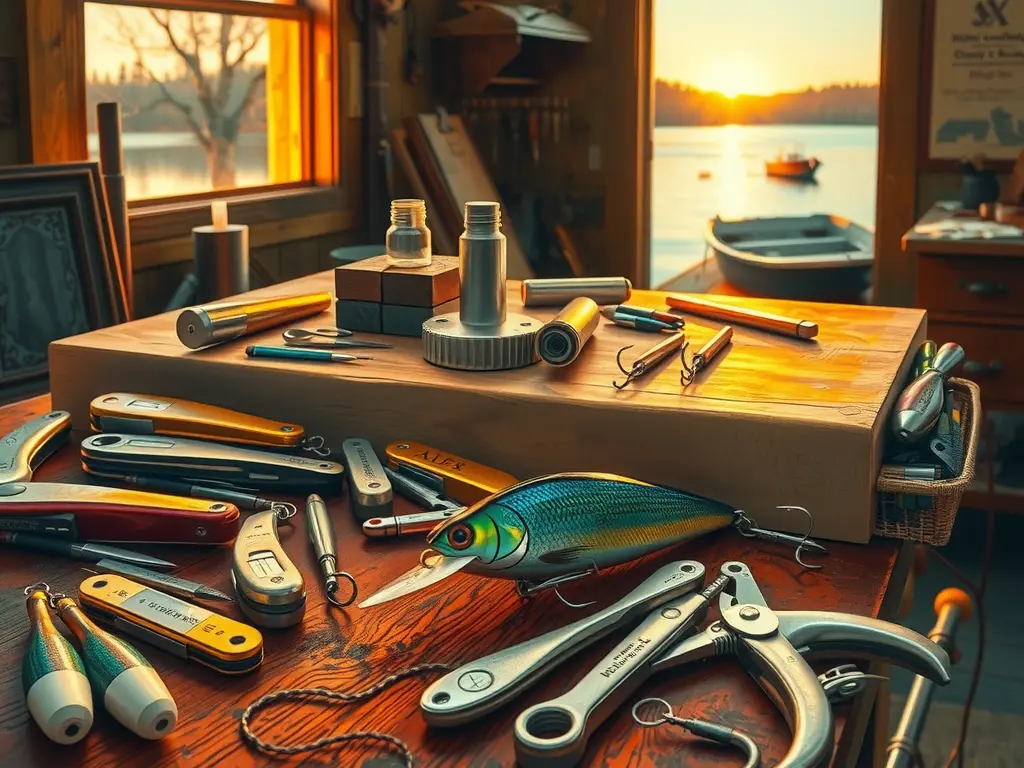
Understanding Lure Design Techniques
The art of crafting an effective fishing lure requires a deep understanding of its underlying components, each of which plays a vital role in determining its ultimate success. A lure’s shape, color, texture, and material selection can make all the difference between a successful catch and a disappointing outing.
A lure’s shape and color are particularly crucial in attracting fish.
For instance, a lure with an irregular shape and bright color can mimic an injured baitfish, making it more appealing to predators.
On the other hand, a lure with a uniform shape and dull color may not stand out as much in the water. As fishermen strive to create the perfect tackle creation, they must consider how the shape and color of their lure will interact with the surrounding environment and the visual cues that fish use to detect prey.
The texture and material selection of a lure can also impact its effectiveness. For example, a tackle shop may offer services for tackle creation, fishing gadgets, lure assembly, gear customization, rod building, and tackle organization.
Key Components of an Effective Fishing Lure
- A lure’s shape and color are particularly crucial in attracting fish, with irregular shapes and bright colors mimicking injured baitfish.
- The texture and material selection of a lure can impact its effectiveness, with different textures and materials attracting different types of fish.
- A lure’s shape and color must interact with the surrounding environment and visual cues that fish use to detect prey for optimal success.
- Tackle shops may offer services for lure assembly, gear customization, rod building, and tackle organization to enhance fishing experience.
Effective Bait Making Methods
Creating effective fishing lures requires a deep understanding of fish behavior and preferences, as well as the ability to select the right materials and craft techniques that combine precision instruments with tackle management.
When it comes to understanding fish behavior and preferences, research has shown that different species are attracted to various types of fishing innovations, including live baits, artificial lures, and even scents and sounds.
One of the key factors influencing fish attraction and lure modification is the type of fishing being done.
For example, in freshwater fishing, fish are often attracted to baits with a strong scent, while in saltwater fishing, fish are often attracted to baits with a more subtle scent. Material selection is also a critical factor in lure effectiveness, as different materials can be more or less attractive to anglers using bail options or even fishing innovations, tackle, and precision instruments.
Exploring Fishing Accessories for Lure Crafting
For anglers who pour their hearts into creating the perfect fishing experience, the art of crafting lures is a true labor of love. It requires patience, creativity, and the right tools to bring their imagination to life.
As a lure crafter, having the right tools can make all the difference in efficiency and creativity.
We’ll explore the essential tools for lure makers and how they enhance both productivity and imagination.
Subsection 1: Essential Tools for Lure Makers
Basic Tackle Box Organization
A well-organized tackle box is the backbone of any lure crafting operation.
By categorizing and storing lures and hooks, anglers can quickly find what they need and save time in the long run.
The importance of a well-designed well being a place where tackle crafting, lure attachments, outdoor equipment, bait crafting, ergonomic design, and portable tools all come together seamlessly.
Essential Tools for Lure Makers
- Patience is required in lure crafting as it is a time-consuming process that demands attention to detail and precision.
- Having the right tools can increase efficiency and creativity in lure making, allowing anglers to bring their imagination to life.
- Organizing a tackle box is crucial for anglers as it helps to categorize and store lures and hooks, saving time in the long run.
- A well-designed tackle box combines tackle crafting, lure attachments, outdoor equipment, bait crafting, ergonomic design, and portable tools to create a seamless experience.
The Importance of Tool Versatility
The art of lure making requires a diverse set of fishing hardware to streamline tasks and maximize efficiency on the water.
Time is a precious commodity when it comes to fishing craftsmanship, and adaptable tools can save anglers a significant amount of time by performing multiple functions.
For instance, specialized pliers designed for lure making can attach hooks, crimp soft plastics, and even apply a coat of paint without needing to switch tools.
Tackle enhancements with interchangeable blades make it easy to switch from cutting wire to slicing vinyl without having to change the entire tool.
Even lure painting gets a boost with the of specialized brushes that let you paint with precision in tight spaces, making the entire fishing experience more enjoyable and effective. A well-stocked tackle box with the right fishing hardware and tackle enhancements, such as a variety of lures and a paint set for lure painting, is crucial for any angler to have a comprehensive anglers toolkit, and by refining their fishing craftsmanship, creative angling can truly reach new heights.
Fishing Kits for Every Angler
For avid anglers, the art of crafting the perfect lure is a delicate balance between aesthetics and functionality, with the right materials making all the difference in tantalizing even the most selective predators.
Lure Making Essentials Kits are the perfect starting point for those just beginning their lure making journey, providing the basic tools needed to get started, including, crafting materials, gear features like scissors, a wire cutter, and a lure mold.
They also include components for creating simple lures, such as hook styles, eyes, and lures with plastic or foam.
A well-known example of a Lure Making Essentials Kit is the Basic Lure Making Kit by Fisherman’s Friend. Advanced Lure Crafting Kits cater to the needs of experienced lure makers who want to upgrade their tackle optimization by including a wider variety of lures, such as jig heads, spinnerbaits, and spoons, and also offer advanced lure shaping, a wider selection of crafting materials, enhanced gear features, improved tackle optimization, various hook styles, and numerous lure varieties.
Lure Making Essentials
- Lure Making Essentials Kits include basic tools needed to get started, such as crafting materials, scissors, a wire cutter, and a lure mold.
- Lure Making Essentials Kits provide components for creating simple lures, including hook styles, eyes, and lures with plastic or foam.
- The Basic Lure Making Kit by Fisherman’s Friend is a well-known example of a Lure Making Essentials Kit.
- Advanced Lure Crafting Kits include a wider variety of lures, such as jig heads, spinnerbaits, and spoons, and offer advanced lure shaping.
Innovative Tackle Solutions for Efficiency
The evolution of tackle making has reached a pivotal point, where traditional methods are being redefined by cutting-edge technology. This revolution is not only transforming the way lures are designed and manufactured but also offering unparalleled efficiency and effectiveness in the fishing industry.
Electronic tools have become a game-changer in lure making, providing unparalleled precision and speed.
With the aid of computer-aided design (CAD) capabilities, accuracy and consistency in lure design are ensured, enabling the creation of intricate details and complex shapes with ease.
High-speed production with 3D printing allows manufacturers to produce lures at an unprecedented rate, meeting the demands of the market and providing bait enhancements for various fishing strategies.
Material innovations have played a significant role in enhancing lure making. Advanced plastics offer durability and buoyancy, while biodegradable and eco-friendly materials cater to the growing demand for environmentally responsible products, ensuring that fishing tackle solutions and bait enhancements support responsible fishing activities, outdoor hobbies, and sustainable fishing maintenance.
Tips for Lure Assembly and Modification.
Crafting and modifying lures requires a thoughtful approach, combining tackle innovation with precision engineering to enhance fishing performance.
When it comes to crafting and modifying lures, precision is key.
A single misstep in the assembly process can lead to decreased performance and reduced effectiveness.
The quality of the final product directly correlates with the level of attention given to each step of the process.
Ensuring that eyelets are properly aligned and secured is crucial for a smooth, efficient presentation of the lure. A slight misalignment can cause the line to twist or snag, leading to a poor presentation and reduced fish catch rates.
Using the right lure accessories can help streamline this process and prevent common issues.
Threading bait onto a hook requires a delicate touch, as uneven threading can lead to an unnatural presentation and reduced effectiveness. To achieve uniform threading, use a bait threader or a pair of needle-nose pliers.
Key Considerations for Crafting and Modifying Lures
- A single misstep in the assembly process can lead to decreased performance and reduced effectiveness.
- Properly aligned and secured eyelets are crucial for a smooth, efficient presentation of the lure.
- Using the right lure accessories can help streamline the process and prevent common issues.
- Uneven threading can lead to an unnatural presentation and reduced effectiveness, and can be prevented by using a bait threader or needle-nose pliers.