

Advanced Techniques in Injection Molding Soft Plastics

The art of precision in modern manufacturing has given rise to a multitude of innovative techniques, each designed to optimize the processing of delicate materials, such as those found in the realm of soft plastics.
Advanced techniques in injection molding enable precise control over material properties, resulting in products with consistent quality and reduced defects.
Optimizing injection molding processes improves product quality and reduces production costs due to the elimination of unnecessary steps and the reduction of waste.
With the right thermoplastics, manufacturers can achieve the desired physical and chemical properties, ensuring a longer product lifespan and enhanced performance.
The selection of materials is crucial in injection molding, as it directly impacts the final product’s properties, including those related to polymer processing. A key factor in achieving optimal results is the control of injection pressure.
Understanding Thermoplastics in Molding Techniques
The versatility of thermoplastics has made them a staple in modern manufacturing, particularly in injection molding processes where they can be molded into complex shapes and designs with ease.
Thermoplastics are widely used in injection molding due to their unique properties and versatility.
They can be melted and reformed multiple times without undergoing any significant chemical change, making them an ideal material for producing a wide range of products.
This property enables thermoplastics to be molded into intricate shapes and designs, making them suitable for various applications across multiple industries.
Fast production cycle times are also a significant advantage of thermoplastics in injection molding, allowing for high-volume production and reduced production cycle times.
High-quality finishes are achievable with thermoplastics, including smooth surfaces and precise details, making them a preferred choice for products requiring a high level of finish. Thermoplastics are also cost-effective, reducing production time with improved tooling, soft materials and plastic fabrication, while thermoplastic elastomers and process optimization can reduce cooling time.

Selecting the Right Polymer Processing Methods
The success of a plastic part depends heavily on the chosen processing method, which requires a deep understanding of the intricacies involved in selecting the right resin types and ensuring part quality.
Understanding Polymer Characteristics
The first step in making informed decisions about manufacturing techniques is to grasp the characteristics of the plastic material.
This entails identifying resin types, examining the material’s molecular structure and properties, and evaluating its thermal and chemical stability.
Production Volume and Rate Expectations
When selecting a processing method, production volume and rate requirements come into play.
This includes determining whether high-speed injection molding is necessary to meet urgent demands or if lower-volume production can be accomplished with less complex equipment.
Precise Control and Material Waste
Achieving part quality is essential in plastic manufacturing, and it starts with controlling factors such as injection speed and optimizing mold design. Proper gate design and managing draft angles also contribute to the efficiency of part quality, resin types, injection speed, gate design, draft angles, multicavity molds and overall plastic injection molding quality.
| Characteristics of Plastic Materials | Production Volume and Rate Expectations | Precise Control and Material Waste | Understanding Polymer Characteristics |
|---|---|---|---|
| Grasping molecular structure and properties | Determining high-speed injection molding needs | Controlling injection speed and mold design | Identifying resin types and thermal stability |
| Evaluating thermal and chemical stability | Meeting urgent demands with high-speed injection molding | Optimizing gate design and draft angles | Examining material’s molecular structure and properties |
| Considering resin types and properties | Accomplishing lower-volume production with less complex equipment | Managing material waste and part quality | Understanding plastic material characteristics |
Optimizing Molding Cycles for Efficiency
Achieving optimal manufacturing results in the production of plastic parts and products relies heavily on the efficiency of molding cycles, which can significantly impact the overall cost and quality of the final product.
Optimizing Molding Cycles for Efficiency
- Injection molding is a common manufacturing process used for creating a wide range of parts and products, especially from thermoplastic and thermosetting materials
- During molding cycles, thermoplastic resins are melted, pressed into the mold and left to solidify in various configurations to produce customised plastic products
- The molding process takes several steps, involving setup, material injection, part formation and ejection in which every step depends directly on mold design
Optimization goals in molding cycles focus on minimizing waste and improving overall efficiency.
Injection Pressure and Its Impact
Manufacturing precision requires a delicate balance of variables, and one often-overlooked factor is the pressure at which molten plastic is injected into a mold. It is a widely used manufacturing process that involves injecting molten plastic into a mold to create a desired shape.
Injection pressure plays a crucial role in determining the quality of the final product in injection molding.
It is a widely used manufacturing process that involves injecting molten plastic into a mold to create a desired shape.
Defining Injection Pressure and Its Measurement
Injection pressure is typically measured in units of pressure, such as pounds per square inch (PSI) or bar. The three primary types of injection pressure systems are hydraulic, hydraulic-mechanical, and accumulator-based systems.
The Role of Injection Pressure in Part Accuracy
Injection pressure affects the filling of the mold and the resulting part quality. A consistent and controlled injection pressure ensures dimensional stability in ejection systems.
Key Facts About Injection Pressure in Injection Molding
- Injection pressure is typically measured in units of pressure, such as pounds per square inch (PSI) or bar.
- The three primary types of injection pressure systems are hydraulic, hydraulic-mechanical, and accumulator-based systems.
- Consistent and controlled injection pressure ensures dimensional stability in ejection systems.
- Accurate injection pressure is crucial for achieving the desired shape and quality of the final product.
Measuring Melt Flow Index for Quality
Innovative product design often relies on the successful integration of engineering plastics, which require precise processing conditions to achieve optimal performance. The melt flow index (MFI) is a crucial parameter that influences the processing and performance of thermoplastics, making it a vital consideration for manufacturers.
The MFI is a measure of a thermoplastic’s viscosity, which is the resistance of the material to flow.
It is typically measured using an extrusion plastometer, which melts the plastic and forces it through a small die under controlled conditions.
In the context of additive manufacturing, the MFI has been widely adopted as a standard measurement in the plastics industry due to its relevance to various applications, including packaging, automotive, and consumer products.
Rotational molding benefits significantly from the accurate measurement of MFI, as it allows manufacturers to optimize the processing conditions and achieve consistent material performance. Measuring the performance of various materials in additive manufacturing, blow molding, rotational molding, bioplastics, composite materials, and engineering plastics.
Innovative Mold Design Techniques
Advances in thermodynamic properties of materials have led to the development of complex geometries in consumer products, pushing the boundaries of traditional manufacturing techniques.
The increasing demand for intricate details and curves in product designs is driving the need for innovative mold design techniques that can produce complex geometries with precision and accuracy.
The Role of CAD Software and 3D Printing
The advent of computer-aided design (CAD) software and 3D printing has transformed the mold design process, enabling manufacturers to create complex geometries with ease.
CAD software allows designers to create detailed 3D models of products, while 3D printing enables the rapid prototyping of parts with complex geometries, minimizing the risk of shrinkage rate during the manufacturing process. The thermodynamic properties of the material, such as viscosity, shrinkage rate, and flow rate, can be difficult to predict and control in traditional mold design, making it challenging to produce consistent parts, and regrind and postprocessing operations can further complicate the process.
Advances in Mold Design
- Advances in thermodynamic properties of materials have led to the development of complex geometries in consumer products.
- The increasing demand for intricate details and curves in product designs is driving the need for innovative mold design techniques.
- CAD software allows designers to create detailed 3D models of products with precision and accuracy.
- 3D printing enables the rapid prototyping of parts with complex geometries, minimizing the risk of shrinkage rate during the manufacturing process.
Enhancing Surface Finish in Soft Materials
Achieving a flawless surface finish on final products is crucial for manufacturers seeking to establish a strong reputation in the industry.
The surface finish of soft materials, such as plastics, rubbers, and textiles, can be particularly challenging to achieve due to their inherent properties.
These materials often exhibit high flexibility and ductility, which can lead to irregularities and imperfections during the manufacturing process.
Inadequate process control and poor material selection are common culprits behind uneven texture, scratches, and discoloration on soft materials.
Insufficient tooling maintenance can exacerbate these issues, resulting in a subpar surface finish.
Optimizing process parameters, such as temperature and pressure, is essential for improving the surface finish of soft materials.
By fine-tuning these parameters, manufacturers can reduce the occurrence of surface finish defects and achieve a more desirable aesthetic. In addition to quality assurance, automation, process control, tooling maintenance, and prototype development, the company prioritizes production efficiency.
Understanding Cooling Time in Injection Molding
The molding process depends on a delicate balance of temperature, pressure, and time, with one of the most critical yet oft-overlooked factors being the cooling time. The cooling time affects the final product’s quality and integrity more than one might realize.
Cooling time plays a significant role in shaping the final product’s integrity and quality by allowing the material to reach its optimal temperature for shrinkage and solidification, thereby preventing defects such as warping or distortion in the parts.
Inconsistent cooling times can result from various factors, including poor mold design, subpar material properties, or insufficient cooling system performance.
The thermal conductivity and viscosity of the material contribute significantly to the cooling time, making it a challenge to optimize. The efficient design of an injection unit, clamping unit, and injection nozzle, combined with the strategic use of fiber reinforcement, color additives, and consideration of thermal properties, allows manufacturers to optimize the cooling time and thus, optimize defects and maximize production efficiency, often by reducing cycle times while maintaining part integrity and dimensional accuracy.
| Factor Affecting Cooling Time | Impact on Final Product |
|---|---|
| Poor Mold Design | Inconsistent Cooling Times, Warping or Distortion |
| Thermal Conductivity and Viscosity of Material | Optimization Challenge, Defects and Reduced Production Efficiency |
| Efficient Design of Injection Unit and Cooling System | Optimized Cooling Time, Reduced Defects and Increased Production Efficiency |
Ventilation Techniques in Mold Design
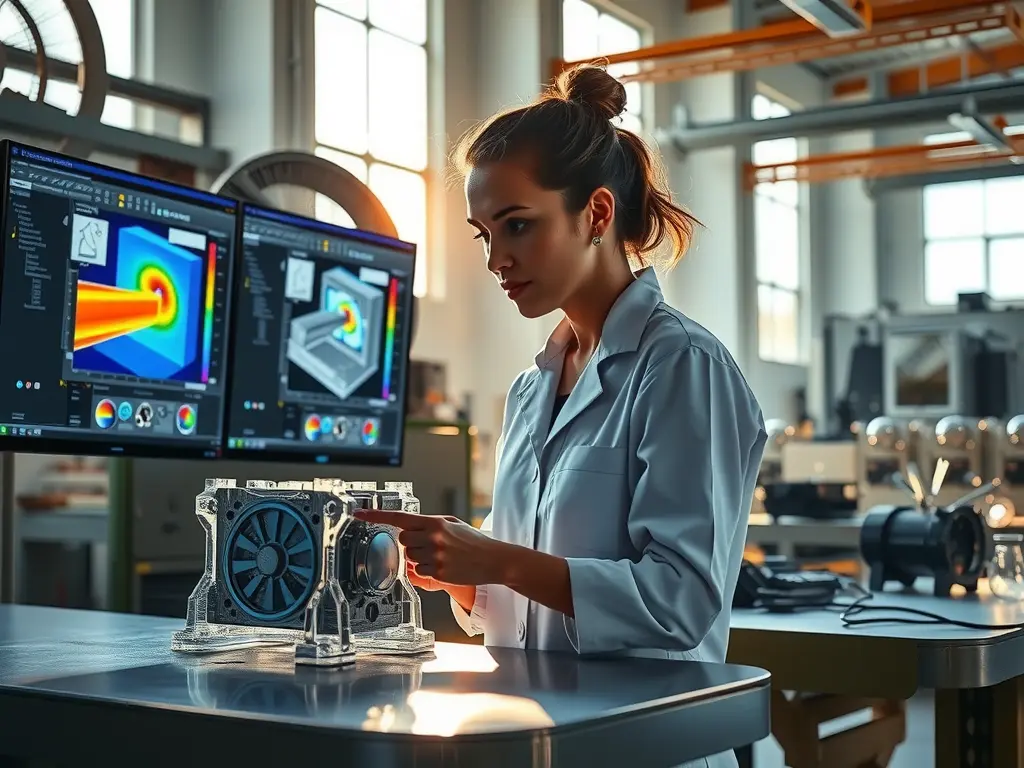
Effective product manufacture relies on a multidisciplinary approach that encompasses various factors, including ventilation, to achieve high-quality results.
Proper ventilation in mold design is crucial for ensuring the integrity and reliability of the final product.
Effective mold design depends on strategic ventilation techniques to ensure optimal air circulation, prevent moisture accumulation, and improve overall product quality.
Air exchange patterns are critical to achieving this balance.
For instance, a direct air inlet and outlet design can promote mechanical ventilation and reduce pressure differences, thus eliminating potential issues.
Implementing strategic air circulation techniques, like utilizing air baffles and louvers, can also enhance air circulation patterns by creating turbulence that keeps materials dry. Effective mechanical ventilation, combined with air exchange and airflow, helps this turbulence is vital for humidity control in preventing moisture accumulation and ensuring a high-quality finish.
Importance of Airflow in Mold Control
A well-designed ventilation system can be the key to maintaining a mold-free indoor environment.
Mold growth can cause significant structural damage to buildings and pose serious health risks to occupants, making it essential to understand its consequences.
When exposed to excessive moisture and temperatures between 40-80°F, mold starts growing.
If left untreated, mold infestations can lead to costly renovations and compromise the integrity of the building.
Proper airflow plays a vital role in preventing mold growth by eliminating the moisture required for its development. This is achieved through the continuous exchange of air in and out of the building, which helps maintain a healthy indoor environment.
Ensuring thermal comfort and preventing moisture buildup is crucial for a mold-free indoor space.
Maintaining a healthy indoor environment is essential for the well-being of occupants. Fresh air provides necessary oxygen, while air filtration systems can remove allergens and airborne pathogens, ensuring natural ventilation, dehumidification, mold prevention, and thermal comfort through well-designed ventilation systems.
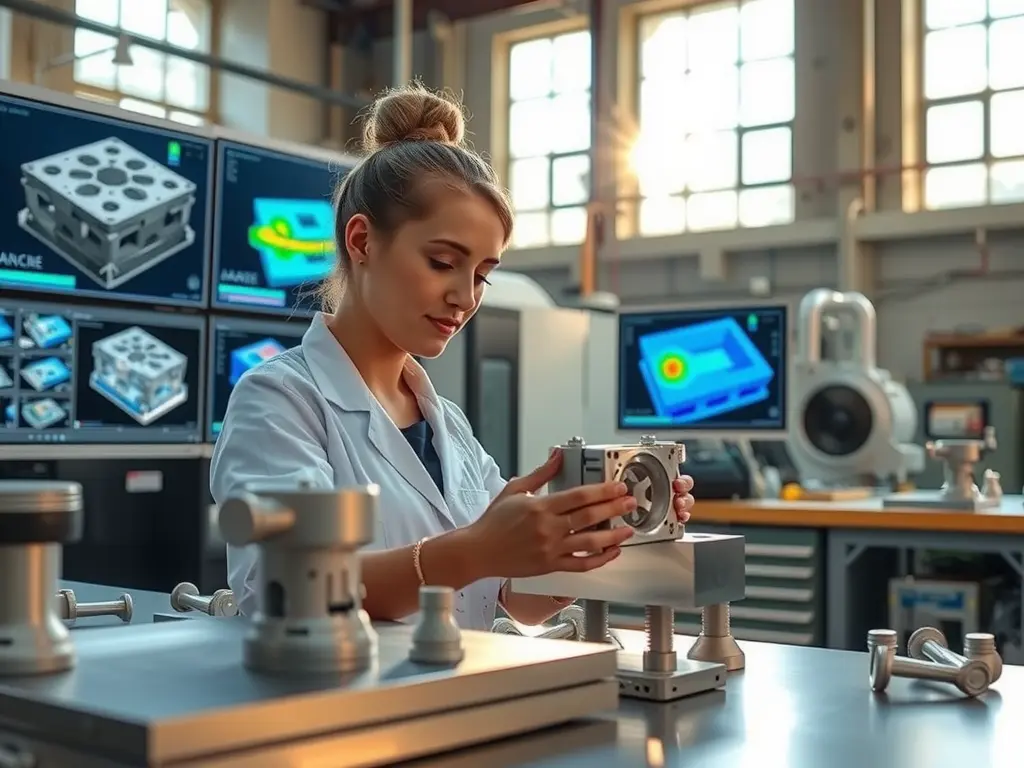
Strategies for Humidity Control
Indoor environments are susceptible to the detrimental effects of excessive moisture, which can compromise the health and well-being of occupants, as well as the structural integrity of buildings.
The multifaceted impact of humidity on indoor spaces is a pressing concern, as high levels can lead to the growth of mold and mildew, posing serious health implications for residents.
Excessive moisture can cause structural damage to buildings, compromising the integrity of the building envelope and potentially resulting in costly repairs.
Construction materials exhibit varying levels of moisture sensitivity, with wood and drywall being particularly susceptible to water damage compared to materials like concrete or steel.
This disparity highlights the importance of selecting materials that can withstand humid conditions.
Optimizing air circulation within a building is a crucial strategy for controlling humidity, achieved through the installation of fans or by opening windows to facilitate natural ventilation. This can help to prevent the buildup of pollutants that can lead to poor air quality, reducing the concentration of pollutants that come from the building envelope, increasing ventilation rate, improving HVAC system efficiency, modifying airflow patterns, and enhancing diffusion of exhale and leak pathways of harmful particles.
| Construction Materials | Sensitivity to Moisture |
|---|---|
| Wood and Drywall | Highly Susceptible to Water Damage |
| Concrete and Steel | Less Susceptible to Water Damage |
| Humidity Control Strategies | Benefits |
| Optimizing Air Circulation | Prevents Pollutant Buildup, Improves Air Quality, and Enhances HVAC System Efficiency |
Understanding Air Exchange Rates
The delicate balance between a building’s design and its indoor air quality is a crucial aspect that often gets overlooked, but achieving the optimal air exchange rate can make all the difference in creating a healthier environment.
Air exchange rates play a vital role in maintaining excellent indoor air management by constantly exchanging the air inside a building with fresh air from outside through a well-designed ventilation system.
This essential process helps to eliminate pollutants, moisture, and stale air, making room for a continuous supply of fresh air to circulate throughout the indoor space, which is further enhanced by the strategic use of exhaust fans.
Proper air circulation is greatly influenced by a building’s design, and when it is ensured, building occupants can enjoy better air quality, leading to a significant decrease in respiratory issues. A well-planned ventilation system can provide insights into the optimal air exchange rates necessary for maintaining a comfortable and healthy indoor environment through effective management of indoor air, environmental controls, adequate air circulation, strategically placed exhaust fans, and sufficient fresh air intake.
Benefits of Mechanical Ventilation
Healthy indoor environments rely heavily on the effectiveness of ventilation systems, which have undergone significant transformations in recent years. Mechanical ventilation systems have emerged as a crucial component in preventing mold growth, particularly in spaces where air quality management is a top priority.
By understanding the benefits of these systems, we can unlock the secrets to creating a mold-free environment that promotes healthy living and working conditions.
Mechanical ventilation systems are designed to remove stale air and replace it with fresh air.
These systems typically consist of a fan, ductwork, and vents.
One of the primary advantages of mechanical ventilation is improved air quality through efficient air filtration, which is achieved through the use of air filtration systems that remove pollutants and contaminants from the air.
Moisture mitigation is also a significant benefit of mechanical ventilation systems, as they help to reduce the risk of mold growth by effectively managing condensation levels in buildings. In order to ensure optimal indoor air quality, an air filtration system that also addresses moisture mitigation, condensation prevention, and energy efficiency through precise airflow rates is essential.
Benefits of Mechanical Ventilation Systems
- Improved air quality is achieved through efficient air filtration, removing pollutants and contaminants from the air.
- Mechanical ventilation systems help reduce the risk of mold growth by effectively managing condensation levels in buildings.
- An air filtration system that addresses moisture mitigation, condensation prevention, and energy efficiency is essential for optimal indoor air quality.
- Mechanical ventilation systems remove stale air and replace it with fresh air, improving overall indoor air quality.
The Role of Natural Ventilation
Unhealthy indoor air can’t be tolerated in a well-functioning building codes, leading to a significant decrease in productivity and overall occupant health standards.
Effective indoor air quality is crucial for occupant well-being and performance.
Proper ductwork maintenance and air movement systems are essential to avoid poor air quality, which can lead to health issues such as respiratory problems, allergic reactions, and cognitive impairment.
Inadequate ventilation can result from factors such as inadequate air exchange, high occupancy, and poorly maintained or designed indoor climate systems.
The Importance of Air Movement
Good indoor climate quality relies heavily on natural ventilation, which is the process of using outside air to reduce the need for mechanical ventilation systems. There are two primary types of natural ventilation: wind-driven and stack-driven ventilation. Wind-driven ventilation relies on wind direction and speed to circulate air, while stack-driven ventilation uses temperature differences through ductwork to improve indoor climate and meet building codes and health standards.
Techniques for Moisture Mitigation
Building durability and occupant health are intricately linked to the presence of moisture in a structure. Proper moisture management is essential to prevent costly repairs and ensure a healthy indoor environment.
Incorporating air balance into building design can significantly minimize the risk of moisture-related issues.
Regular maintenance and inspections also enable early identification and addressing of potential problems.
Prompt action is crucial when water infiltration occurs to prevent mold growth and further damage. This can be achieved by implementing surface treatments and utilizing mold-resistant materials in critical areas.
Moisture-control measures should be integrated into the building envelope design, including strategic placement of windows, doors, and ventilation openings to ensure optimal air circulation.
Adequate ventilation is crucial in removing moisture-laden air, which can lead to mold growth and compromise indoor air quality.
Effective moisture control in buildings relies on a combination of design considerations and maintenance practices. Reducing moisture levels within a home effectively can be achieved through several key techniques, namely ventilation openings, air balance, surface treatments, mold-resistant materials, and envelope design.
| Moisture Management Techniques | Benefits |
|---|---|
| Air Balance in Building Design | Significantly minimizes the risk of moisture-related issues |
| Regular Maintenance and Inspections | Enables early identification and addressing of potential problems |
| Strategic Placement of Ventilation Openings | Ensures optimal air circulation and removes moisture-laden air |
Assessing Ventilation Performance
The Indoor Environment Has a Significant Impact on Occupant Health and Productivity, Making It Crucial to Ensure That the Air We Breathe Is Clean and Fresh Ambient conditions can be significantly affected by the way we design and maintain ventilation systems. Ventilation systems play a vital role in maintaining indoor air quality, especially in buildings with high occupancy or in areas prone to moisture accumulation.
Assessing Ventilation Performance
Ventilation systems play a vital role in maintaining indoor air quality, especially in buildings with high occupancy or in areas prone to moisture accumulation.
Understanding Ventilation System Evaluation
Ventilation system evaluation is essential for ensuring good indoor air quality and this process involves understanding the importance of evaluating ventilation systems to prevent poor air quality, which can cause serious health issues. Methods for Evaluating Ventilation System Performance Several methods can be employed to assess ventilation system performance, including ambient conditions, installation of air barriers, airflow assessment, pressure differential analysis, and evaluation of ventilation performance.
Implementing Air Filtration Systems.
Creating a healthy indoor environment requires a comprehensive approach to indoor air quality, which is often overlooked in the design process. South-facing windows can allow natural light and heat into buildings, while shaded areas prevent overheating and reduce the need for air conditioning.
Building orientation and design play a significant role in determining indoor air quality, making it essential to consider these factors when designing buildings.
Effective air filtration systems, such as those equipped with HEPA filters or activated carbon systems, can remove pollutants and contaminants that can exacerbate respiratory issues.
These systems can significantly improve indoor air quality by preventing the growth of mold and other airborne pathogens. Energy recovery ventilation systems can recover heat energy from exhaust air, reducing the strain on HVAC systems and promoting energy efficiency.
Implementing air filtration technology requires a thorough assessment of building characteristics, including ventilation patterns and potential moisture sources. This evaluation enables designers to choose the right filtration systems, humidity sensors, energy recovery, air handling units, and building orientation for optimal building performance.
Key Considerations for Indoor Air Quality
- South-facing windows can allow natural light and heat into buildings, reducing the need for air conditioning.
- Effective air filtration systems, such as HEPA filters or activated carbon systems, can remove pollutants and contaminants that exacerbate respiratory issues.
- Energy recovery ventilation systems can recover heat energy from exhaust air, reducing the strain on HVAC systems and promoting energy efficiency.
- A thorough assessment of building characteristics is necessary to choose the right filtration systems and optimize building performance.
Maintaining and Cleaning Your Lure Molds

For anglers who take pride in their tackle, understanding the importance of cleanliness in storage and preparation is crucial. It’s not just about maintaining the appearance of their gear; it’s also about preventing the spread of microbial growth that can affect both fishing lures and water quality.
Excessive mold buildup can be a significant problem in both freshwater and saltwater environments, often resulting from poor mold design or inadequate drying procedures.
When left unchecked, it can lead to costly replacements and compromised lure performance.
Regular cleaning of molds is essential to prevent the growth of microorganisms, saving you money by extending the lifespan of your molds and preserving the integrity of the lures. A combination of soap, sanitizers, and ultrasonic cleaning is typically required to achieve optimal results.
Why is Lure Maintenance Important
Effective mold management starts with regular upkeep to ensure optimal performance and prevent costly replacements, which is why many fishing enthusiasts and manufacturers alike swear by the importance of consistent care.
Understanding the impact of regular maintenance on mold longevity can be a game-changer for anglers, as it prevents mold from accumulating and significantly reduces the risk of damage to the lure’s quality. To achieve this, fishing lure production companies recommend using cleaning agents specifically designed for molds.
Properly maintained molds are the key to consistently effective lures and better fishing results, as a mold’s integrity can be compromised when exposed to moisture, leading to a dramatic decrease in performance over time.
Regular maintenance helps extend the lifespan of the mold, reducing the need for frequent replacements and costs associated with mold storage solutions. In contrast, neglecting molds can lead to costly retooling, abandoned production schedules, a buildup of hazardous residue on casting materials, and ineffective mold release.

Essential Mold Cleaning Techniques
Proper upkeep of tackle storage containers requires attention to the mold used to create fishing lures, as neglecting this aspect can lead to a buildup of residue that compromises the mold’s performance and longevity.
Understanding Mold Residue and Its Consequences
Mold residue buildup can lead to unpleasant odors and affect the mold’s performance.
Left unchecked, mold residue can compromise the mold’s integrity and longevity.
Effective cleaning methods can prevent the buildup of mold residue and maintain the mold’s quality.
Choosing the Right Cleaning Agent
Identify the type of mold you’re cleaning and select a cleaning agent compatible with its material. Clean the mold with a gentle soap solution or a commercial mold cleaning product specifically designed for the material.
Avoid using harsh chemicals, abrasive cleaners, and lubricant sprays.
Key Points About Mold Residue
- Mold residue buildup can lead to unpleasant odors and affect the mold’s performance.
- Effective cleaning methods can prevent the buildup of mold residue and maintain the mold’s quality.
- Harsh chemicals, abrasive cleaners, and lubricant sprays can damage the mold’s material and compromise its integrity.
- Using a gentle soap solution or a commercial mold cleaning product specifically designed for the material is recommended.
Choosing the Right Mold Care Products
Effective mold care begins with a solid understanding of the various products available for prevention and removal, which can significantly elevate the effectiveness of your cleaning routine.
Effective mold prevention involves using essential oils that inhibit mold growth, including the use of resin curing products to protect surfaces.
When it comes to choosing the right products for mold care, it can be overwhelming due to the numerous options available, including options for antistatic treatments and durability-enhancing coatings.
For these reasons, many homeowners opt for natural mold removal agents, which work well for gear maintenance and removing mold from small, hard-to-reach areas.
These eco-friendly products are also ideal for repair kits and other DIY projects.
Some products also offer instant cleaning with no drying time required, allowing for a quick fix. Effective mold removal requires a well-rounded approach, including the use of cleaning brushes and drills to reach all affected areas, and also involves employing resin curing to strengthen the surface, ensuring durability with antistatic treatments, and being prepared with repair kits for any potential mistakes.
Best Practices for Plastic Lure Production
In the manufacturing process of plastic lures, a crucial yet often overlooked aspect is the cleanliness and upkeep of the molds used to shape these recreational fishing tools. A clean mold is essential for consistent production, as debris, residue, and damage can lead to defects, a shorter lifespan, and ultimately, ruined lures.
Regular maintenance ensures that molds remain free from these impediments, resulting in lures that are not only visually appealing but also resilient and reliable.
Best Practices for Plastic Lure Production
Understanding the Importance of Mold Maintenance
The quality and durability of plastic lures heavily depend on the maintenance and care of the molds used for their production.
Regular maintenance ensures that molds remain free from debris, residue, and damage, resulting in consistent and reliable production of lures. The factory implemented a new maintenance schedule to ensure its production efficiency by using a silicone spray to prevent corrosion and replace the use of abrasive materials that often damaged the equipment during steam cleaning processes and also allow for customization of the steps so that specific issues could be targeted.
| Mold Maintenance Practices | Benefits |
|---|---|
| Regular Cleaning | Prevents debris and residue buildup, ensuring consistent production |
| Use of Silicone Spray | Prevents corrosion and reduces damage to equipment |
| Customized Maintenance Schedules | Targets specific issues and improves production efficiency |
Effective Mold Inspection Tips
Preventative maintenance is crucial to extending the lifespan of manufacturing equipment and minimizing costly downtime. Regular mold inspections are essential for maintaining production quality and preventing costly repairs.
Diligent mold care routines involve scrutinizing for signs of wear, corrosion, or defects that may impact product quality.
Rust spots, surface scratches, and other visual signs of wear should be identified and addressed promptly.
Athorough quality assurance process involves checking for loose or worn-out parts, misaligned or worn mold components, and proper fastening and mounting.
Mold bases, cavities, and ejector pins should be inspected for proper alignment and secure fastening to ensure optimal assembly techniques.
Beyond material selection, product longevity is also influenced by the mold’s ability to insert and eject the product smoothly and without resistance. Verify that the mold’s opening and closing mechanisms operate smoothly and ensure proper mold preservation, product longevity, assembly techniques, quality assurance, care routines, and dust removal.
Understanding Mold Release Processes
Regular use of mold maintenance techniques is essential for the safe and effective operation of lure molds, as it prevents residue buildup and sticking, ensuring a longer lifespan and easier manufacturing experience.
Mold release agents play a vital role in tackle storage, particularly in reducing the risk of damage and residue buildup.
They prevent residue from sticking to the mold, making it difficult to remove the lure after demolding, a common challenge many anglers face when setting up for fishing.
A well-applied mold release agent acts as a critical safeguard, shielding the mold from residue buildup and ensuring a smooth demolding process when jigs are removed.
This important step simplifies mold maintenance and eliminates the risk of damaging either the mold or the lure.
For optimal results, it’s essential to regularly apply mold release agents to the mold’s surface, which allows for the easy removal of lures after molding. The surface requires regular upkeep of jigs, accessories, and safety precautions, as well as proper tackle storage and ecofriendly cleaners for surface treatment.
Mold Maintenance Techniques
- Regular use of mold maintenance techniques can extend the lifespan of lure molds by preventing residue buildup.
- Mold release agents reduce the risk of damage and residue buildup, making demolding easier and safer.
- A well-applied mold release agent acts as a safeguard, shielding the mold from residue buildup and ensuring a smooth demolding process.
Common Dust Removal Strategies
Effective Mold Maintenance is Critical to Quality Lure Production. Dusty molds can ruin the quality and longevity of your lure production, making regular cleaning an essential aspect of maintaining a productive workshop.
Understanding the importance of clean molds begins with recognizing the effects of dust accumulation: it can dull paint, clog mold details, and even introduce contaminants into the lure’s material.
To prevent this, regular maintenance is a must.
There are three primary types of dust: wood, metal, and plastic, all of which can be prevalent in a workshop environment, especially when working with various materials and tools. Identifying the sources of dust is crucial for effective cleaning.
For general dust removal, handling safety is a top priority, and compressed air and a soft brush work well. When it comes to tougher messes, design innovations in cleaning solutions can make all the difference, and proper handling of safety precautions and maintenance tools can help shape the right line care.
Creating a Maintenance Schedule.
Implementing a regular upkeep routine is key to extending the lifespan of molds and ensuring they operate at their best.
Establishing a routine maintenance plan for molds is crucial for their longevity and optimal performance.
By implementing a consistent maintenance schedule, you can extend the life of your molds, improve product quality, and reduce downtime.
Assessing Your Mold’s Needs
To create an effective maintenance schedule, it’s essential to understand the material, usage, and environmental factors that impact your molds’ performance.
This includes evaluating the type of product being produced and the potential for contamination. Regularly assessing your mold’s performance will help you adjust your schedule accordingly and prevent potential issues.
Frequency and Prioritization
Determining how often to clean and maintain your molds, and which areas require the most attention, is crucial for their longevity. It’s recommended to develop a preventative maintenance plan that includes regular surface preparation, overall quality control, tackle organization, odor removal, formulation, and restoration techniques.
Silicone Mold Making: A Beginner’s Guide

Crafting with precision and creativity has become increasingly popular in recent years, thanks to the versatility of certain materials that can bring unique art pieces to life.
What is Silicone Mold Making?
Silicone mold making, also known as moldmaking, is a process of creating a mold using silicone materials, which are ideal for casting intricate designs and details.
This technique is used to produce replicas of objects, making it a popular choice for various applications in crafting, DIY, and even art projects. One of the significant benefits of silicone mold making is the flexibility of the materials used in this process, which are easy to work with, making it an ideal technique for crafting and DIY projects, such as resin casting and moldmaking.
Choosing The Right Silicone
When working with complex shapes and designs, the right material can make all the difference in achieving the desired results. One versatile and effective technique for creating intricate designs is through silicone mold making, which requires selecting the right silicone for optimal performance.
Silicone is a type of elastomer that is widely used in mold making due to its excellent flexibility and durability.
It is available in various forms, including liquid, paste, and sheet, each with its own unique properties and applications.
Key properties of silicone that affect mold making include its flexibility, durability, and heat resistance. Flexibility is critical in mold making as it allows the silicone to conform to complex shapes and designs, while durability ensures that the mold can withstand repeated use and handling.
When evaluating flexibility in silicone mold making, it’s essential to consider the different types of silicone available, each with its own unique characteristics. Some silicones have been developed that can mold, provide flexibility, offer durability, resist heat, act as a mold release, and allow for vacuum forming.

Understanding The Mold Design Process
Precision and accuracy are the hallmarks of crafting molds that meet the exacting demands of industry and hobby.
To begin, define the mold’s purpose and requirements, which involves determining the desired shape, size, and material of the mold, as the material selection directly influences the mold’s durability and the quality of the final product.
Assessing the mold material and its limitations is also crucial, as common materials include plastic, metal, and silicone rubber, each with its unique characteristics and potential drawbacks that must be carefully considered to ensure the molds’ functionality and longevity.
Developing a conceptual design and sketches will help visualize the mold and identify potential issues before proceeding with the design process, refining the design to achieve the desired shape and functionality. A 2D and 3D design model should be created to refine the design and ensure that it meets specifications and achieves proper mold design, allowing for successful pouring of silicone rubber, ideal for hobby projects requiring specific materials.
Tips For Safe Mold Making
To achieve a flawless and risk-free mold making process, it’s essential to prioritize safety from the inception of the project.
Safety protocols are a crucial investment in any mold making process, as they help ensure a smooth and accident-free experience.
Wearing protective gloves can prevent skin irritation and exposure to harsh chemicals commonly found in mold making agents.
Safety goggles or glasses shield the eyes from unexpected splashes and spills often caused by texture and pattern development.
A mask or respirator protects against inhaling particles and fumes released during the prototyping process. A protective smock or apron also safeguards clothing from damage or stains resulting from artistic splatters.
Choosing the right additives for mold making is vital for achieving the desired artistic effect. Mold making often requires a well-ventilated space to prevent the accumulation of fumes and particles released during the texture development process. An exhaust fan or ventilation system can aid in the removal of curing agents and additives that contribute to the texture and pattern of a prototyping or artistic piece.
Common Troubleshooting Techniques
When creating custom molds, a smooth and successful process often hinges on early identification of potential challenges. Effective mold making involves a combination of precise techniques and safety measures that help in achieving high-quality results, such as ensuring a uniform surface by applying a thin layer of release agent.
Inadequate mixing and insufficient curing time are common mistakes that can lead to air bubbles, causing uneven surfaces that compromise the final product’s functionality and aesthetics.
It’s crucial to mix the molding material properly and ensure uniform thickness throughout the mold to minimize this risk.
To provide solutions for frequent issues faced by beginners, addressing problems like air bubbles and uneven surfaces is essential. One of the key techniques for handling air bubbles is to identify their root cause, allowing for the most effective removal method to be applied. By understanding the causes and applying the right techniques, mold makers can prevent common issues with custom molds, shapes, and equipment, while also implementing effective safety measures and proper mixing methods.
Curing Agents And Their Importance
Many manufacturing processes rely on the synergy between innovative compounds and precise chemical reactions to bring products to life, and silicone molding is no exception. The secret to transforming a pliable liquid into a durable solid lies in the utilization of special compounds called curing agents.
Curing agents serve as the backbone of the silicone molding process, enabling the compound to undergo a transformative change that renders it suitable for a wide range of applications.
There are several types of curing agents, each with its own distinct properties and suitability for specific manufacturing goals.
Thermosetting curing agents, for instance, provide exceptional mechanical properties and chemical resistance, making them an ideal choice for the production of products that require high durability.
RTV silicones, which cure at room temperature, offer a convenient option for applications where rapid curing is necessary to meet demanding schedules or production deadlines. Measuring the precise balance of curing agents is crucial to ensuring proper degassing, consistent colorants, and compliance across various applications in the manufacturing of foodsafe products.
Mixing And Measuring Silicone Properly
Creating successful molds requires a delicate balance of art and science, particularly when working with versatile materials like liquid silicone.
Accurate mixing and measuring are crucial in creating high-quality mold frames.
The slightest deviation in the ratio of silicone resin to catalyst can significantly impact the mold’s integrity and performance.
When working with silicone, it’s essential to understand that the resin and catalyst are not interchangeable.
The resin is the base material, while the catalyst is added to initiate the curing process. If the wrong ratio is used, the mold may not cure properly, leading to a weak or brittle material.
For model making, selecting the right measuring tools for the job is essential. For accurate measuring, it’s best to use digital scales or measuring cups specifically designed for working with liquids.
These tools ensure precise measurements, which is critical when working with small amounts of silicone putty. Understanding the importance of silicone sheets, liquid silicone, mold frame, and silicone putty is essential for creating intricate and precise jewelry and model making.
Creative Project Ideas For Beginners
As we venture into the world of creative expression, few things capture our imagination quite like the idea of shaping and molding raw materials into stunning works of art. Imagine creating intricate designs, beautiful textures, and complex shapes that showcase our artistic vision.
This is where silicone mold making comes in – a versatile technique that has revolutionized the way we approach crafts, decorations, and art projects.
Section 1: to Thermoset Mold Making
-
The Therapeutic Benefits of Crafting with Silicone Gel
Engaging in creative activities such as mold making has a profound impact on our mental and emotional well-being, providing a healthy outlet for stress and anxiety. This rewarding hobby promotes a sense of calm and clarity, while allowing us to tap into our imagination and creativity. Thermoset, thermoplastic, and silicone gel can be used in a variety of craft projects, such as decorations, molds, or educational tools, with beginner-friendly tips making them a great starting point.
Exploring Mold Release Options.
Effective mold release is crucial for achieving a perfect casting, and selecting the right mold release agent can be a daunting task for many manufacturers and DIY enthusiasts.
Silicone-based mold release agents are a popular choice due to their flexibility and ease of use, making them a great troubleshooting solution for a variety of materials such as plastics, metals, and resins.
For project ideas that require a quick and easy mold release, silicone-based agents are often the go-to solution.
In contrast, water-based mold release agents are a more eco-friendly option, yet they may require more coats to achieve the desired surface finish.
When it comes to mold maintenance, water-based agents can be a cost-effective solution, as they are often less expensive than other types of release agents.
Petroleum-based mold release agents offer high durability and performance, making them a great option for projects that demand intense mold use.
Mold Release Agent Options
- Silicone-based mold release agents are flexible and easy to use, making them a great troubleshooting solution for various materials.
- Water-based mold release agents are a more eco-friendly option, but may require more coats to achieve the desired surface finish.
- Petroleum-based mold release agents offer high durability and performance, making them suitable for projects with intense mold use.
- Water-based agents can be a cost-effective solution for mold maintenance due to their lower cost compared to other types of release agents.
Creating Custom Molds with 3D Printing
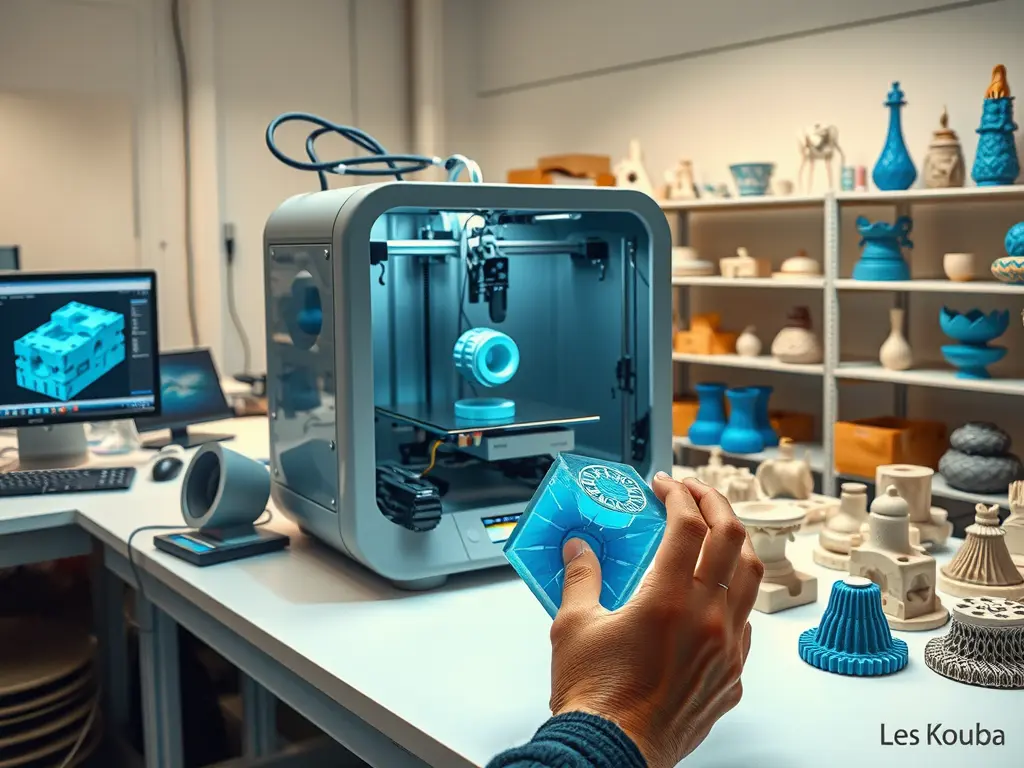
The fusion of innovative technologies and skilled craftsmanship has revolutionized the manufacturing landscape, enabling the creation of intricate parts and molds with unmatched precision and speed.
With the emergence of additive manufacturing, designers and engineers can craft complex designs and parts with unprecedented accuracy and rapidity.
This shift in approach has empowered companies to transition from traditional manufacturing methods to a more agile and responsive production framework.
One of the primary advantages of rapid prototyping is its ability to produce multiple design iterations within a matter of hours, significantly reducing production time and costs.
This allows businesses to swiftly test and refine their products, leading to faster market entry and increased competitiveness. The process of rapid prototyping involves the use of three-dimensional modeling software, which enables the creation of digital models from which physical parts, such as those created using additive manufacturing, mold design, and plastic injection are produced.
Understanding 3D Modeling Techniques
The art of crafting precise custom molds drives innovation in industries across the globe, where accuracy is the linchpin of successful product development, facilitated by cutting-edge CAD software.
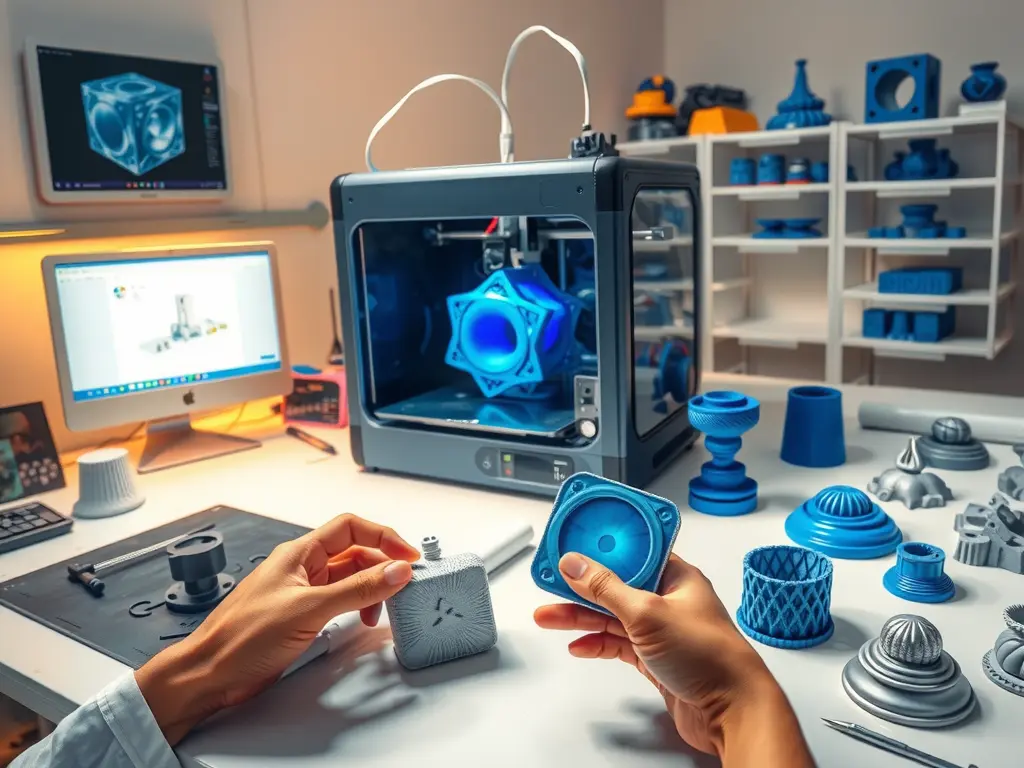
Mold creation involves the skilful blending of various techniques, including CNC machining, 3D printing, and manual craftsmanship, culminating in the fabrication of intricate designs with precise details.
This meticulous process demands precision to ensure consistent product quality and minimal defects.
The history of mold making stretches back to ancient civilizations, where artisans crafted molds from materials like wood and stone to produce artistic designs.
The advent of advanced industrial design and prototyping materials in the modern era has dramatically escalated the mold-making process, allowing for the creation of complex geometries and customized products. The development of prototype models in this project involves various tools such as silicone molds, CAD software, fabrication, and prototyping materials, all of which are commonly used in industrial design.
Choosing the Right Additive Manufacturing Process
The world of mold making has evolved significantly with the integration of cutting-edge technologies, allowing for the creation of complex molds with unprecedented precision and speed.
Today, manufacturers are spoiled for choice when it comes to selecting the right material for mold creation, with thermoplastics offering high durability and resistance to heat and chemicals, making them a popular choice for many applications.
But what happens when the design becomes increasingly intricate, and a simple material won’t cut it? That’s where selective laser sintering (SLS) comes in – a technique ideal for creating complex mold designs with a high surface finish and accuracy, offering unparalleled results for even the most demanding projects.
When considering the scale and complexity of the mold, the stakes are high, and a wrong choice can be costly. For smaller mold sizes, stereolithography is often the go-to solution, allowing for the creation of highly detailed and intricately designed resin casting prints, 3D printed molds, personalized and custom molds, rapid digital fabrication, and accurate thermoplastic prototypes.
Advantages of Modern Mold Making Techniques
- Thermoplastics offer high durability and resistance to heat and chemicals, making them a popular choice for many applications.
- Selective laser sintering (SLS) is ideal for creating complex mold designs with a high surface finish and accuracy, offering unparalleled results for even the most demanding projects.
- Stereolithography is often the go-to solution for smaller mold sizes, allowing for the creation of highly detailed and intricately designed resin casting prints.
- Rapid digital fabrication and accurate thermoplastic prototypes can be created using modern mold making techniques.
Essential Software for Mold Design
The Art of Precision Mold Design Revolutionizes Manufacturing In the era of rapid prototyping and just-in-time production, the accuracy of mold design has become a critical factor in determining the efficiency and cost-effectiveness of manufacturing processes. As advancements in technology and materials continue to evolve, the mold design process has become increasingly complex, requiring a deep understanding of design principles and a suite of specialized software tools.
0
Mold design is a cornerstone of product manufacturing, requiring precision and accuracy to ensure seamless production and optimal cost management.
The advent of advanced technology and innovative materials has transformed the mold design process, presenting designers with new challenges and opportunities.
0 Essential Software for Mold Design
When it comes to crafting intricate designs for production tooling, mold designers rely on sophisticated software solutions that can handle the demands of modern manufacturing. SolidWorks is a popular CAD software for mold design, CNC machining, layer-based printing, sculpting, and production tooling of polymer materials.
The Benefits of Rapid Prototyping
The traditional mold creation process can be a lengthy and costly endeavor, often bogged down by trial and error and post-production revisions. Fast-tracking the mold creation process through rapid prototyping enables designers to test and refine their ideas in a fraction of the time it takes with traditional methods, streamlining the entire workflow.
Accelerating Design Iteration
Reducing the numerous setbacks and revisions in the design process is a major advantage of employing cutting-edge prototyping techniques.
Quick testing and analysis of precision-engineered prototypes allow designers to identify and correct flaws early on, minimizing the time and resources spent on rework.
As a result, they can focus on exploring new ideas and pushing the boundaries of creativity in their designs, thanks to the flexibility offered by rapid prototyping.
Improved Accuracy and Precision
Advanced manufacturing processes are made possible through the precise control over material composition offered by rapid prototyping.
Benefits of Rapid Prototyping
- Reduces the design process time by a fraction, streamlining the workflow
- Allows designers to test and refine their ideas quickly, minimizing setbacks and revisions
- Enables precise control over material composition, making advanced manufacturing processes possible
- Facilitates the identification and correction of flaws early on, minimizing time and resources spent on rework
Techniques for Silicone Molds
Innovative product manufacturers often face the challenge of creating intricate shapes and designs, which can be achieved through the use of custom shapes produced using flexible molds. Silicone molds offer a durable and flexible solution for achieving these complex shapes, especially in the production of intricate products.
Master Mold Techniques
Silicone molds are created using a process that begins with the creation of a master mold, which serves as a template for the silicone mold.
This master mold is typically made from metal or engineering plastics and is designed to produce the desired shape and texture.
The master mold is then used to create the silicone mold, which can be poured into the mold and allowed to cure.
Mold Design and Prototyping
When designing silicone molds, it’s essential to consider the material selection and shape of the mold. The right material will depend on the purpose of the mold and the type of product being created, which may involve custom shapes, engineering plastics, prototype development, design software, or flexible molds.
Understanding Mold Release Agents
In any manufacturing process that involves the use of molds, ensuring the smooth release of molded parts from molds is crucial, and one of the key factors in achieving this is the use of mold release agents, which play a vital role in reducing the risk of defects and improving product quality.
Importance in Rapid Tooling
Mold release agents, such as those used in material selection for surface finish, are a vital component in the manufacturing process, especially when rapid tooling is required, ensuring the smooth release of molded parts from molds and reducing the risk of defects and improving overall product quality, even in part design with complex geometries. The manufacturing process involves the use of molds to shape raw materials into desired products, and mold release agents are essential for maintaining mold integrity and ensuring proper product release, making them a critical factor in three-dimensional printing, specifically in rapid tooling and surface finish applications, while also considering part design and material selection for optimal results.
Mold Release Agents Importance
- Mold release agents reduce the risk of defects and improve product quality.
- Mold release agents are essential for maintaining mold integrity and ensuring proper product release.
- Rapid tooling requires mold release agents to ensure smooth release of molded parts from molds.
- Mold release agents play a critical role in three-dimensional printing, specifically in rapid tooling and surface finish applications.
Exploring Material Selection for Molds
The foundation of a successful manufacturing process lies in the selection of materials for molds, as an ill-suited choice can lead to inefficient molds that require frequent replacement.
Factors influencing material selection for molds include thermal resistance, mechanical strength, and durability.
The chosen material must be compatible with the intended application and production process, whether it’s high-temperature, high-pressure, or corrosion-resistant, such as in digital design and high-resolution printing applications.
Material properties like thermal conductivity, chemical resistance, and dimensional stability directly impact mold performance.
For instance, a material’s ability to withstand high temperatures is crucial for molds used in high-temperature applications, such as FDM printing. Similarly, molds made from materials with high mechanical strength can withstand the wear and tear of repeated usage, such as in SLA printing. The selection of materials for molds also involves considerations for mold optimization, taking into account digital design, FDM, SLA printing, and the need for high-resolution printing.
Achieving HighQuality Surface Finish.
Innovative manufacturing processes often overlook the importance of material properties in determining the overall quality of a finished product. A high-quality surface finish on molds is crucial for the success of a product, as it directly affects its quality, durability, and aesthetic appeal.
The surface finish of a mold can significantly impact the final product’s appearance, function, and marketability.
When it comes to producing molds, one of the key factors that influence surface finish is the material properties of the mold itself.
For instance, molds made from thermosetting materials tend to have a higher surface finish quality compared to those made from other materials. These thermosetting materials can be formulated to provide optimal surface finish characteristics.
CNC milling is a popular technique used to achieve a high-quality surface finish on molds. This process involves using a computer-controlled machine to remove material from the mold, resulting in a smooth finish that maintains the material’s optimal properties, precise control during CNC milling, desired mold flow, uninhibited thermosetting, and uncompromised mold integrity.
Importance of Material Properties in Molds
- Thermosetting materials tend to have a higher surface finish quality compared to other materials.
- CNC milling is a popular technique used to achieve a high-quality surface finish on molds.
- A high-quality surface finish on molds directly affects the quality, durability, and aesthetic appeal of a product.
- The surface finish of a mold can significantly impact the final product’s appearance, function, and marketability.
Temperature Control for Consistent Results

The delicate balance of temperature in a commercial kitchen is a matter of culinary precision, where a slight deviation can mean the difference between a dish that delights and one that disappoints.
Proper heat management is crucial in maintaining thermal stability within the kitchen, allowing chefs to deliver high-quality dishes that meet customer expectations and ensure a positive dining experience.
Food safety is a top priority in any commercial kitchen.
Inconsistent temperatures can lead to bacterial growth, spoilage, and even foodborne illnesses, which can result in costly lawsuits and damage to a restaurant’s reputation.
Temperature control also plays a significant role in maintaining precision heating, ensuring that cooked foods are heated to the correct temperature to kill bacteria and other microorganisms. Inconsistent ambient conditions can compromise the quality and safety of products that require climate regulation, heat management, thermal stability, precision heating, and precise environmental control.
Importance of Temperature Monitoring
In the intricate dance of industrial processes, temperature control is the unsung hero that can make or break the quality and safety of products. Temperature control is a critical factor in various industries, including food processing, where even slight deviations can lead to spoilage, contamination, or the growth of harmful bacteria.
Temperature plays a crucial role in food processing, affecting the texture, flavor, and safety of products.
Incorrect temperatures can lead to spoilage, contamination, or the growth of harmful bacteria.
Temperature fluctuations can cause inconsistent results, affecting the quality and shelf life of products. Fluctuations can also lead to equipment damage, increased energy consumption, and reduced productivity.
Accurate temperature sensors ensure precise temperature control, maintaining consistent outcomes and quality control. Advanced thermoregulation systems, often integrated with HVAC systems, provide optimal cooling solutions, ensuring that products are processed within a narrow temperature range, thereby enhancing process optimization, achieving consistent outcomes, and facilitating effective temperature monitoring.

Understanding Thermal Stability
In many industrial settings, precise temperature control is crucial to produce high-quality products with consistent characteristics. This is because even slight variations in temperature can significantly impact the final product’s quality and safety.
Achieving thermal stability is a critical aspect of industrial processes, as it directly affects the quality and safety of the final product.
Ensuring a stable temperature in various processes is essential, particularly in applications where minor fluctuations can have significant impacts.
Thermal stability in industrial processes involves maintaining a stable temperature, which is fundamental in ensuring the quality of products. Temperature control is achieved through various methods, including temperature sensors and control systems that provide temperature efficiency.
These systems utilize data logging capabilities, which allow for real-time monitoring of temperature fluctuations, thus ensuring thermal stability. One significant advantage of thermal stability in processes is its impact on heat distribution, which is essential in various industries, including food processing, pharmaceutical.
Effective Heat Management Techniques
Temperature control is a critical aspect of process management, where even minor fluctuations can significantly impact product quality and efficiency across diverse industries.
In the realm of food processing, precise temperature regulation is crucial for achieving consistent results and preventing spoilage.
This is achieved through stable cooking conditions, which can be maintained using convection or conduction methods.
Convection involves the circulation of hot air, whereas conduction relies on direct heat transfer between objects.
In ovens and cooktops, convection is often preferred for its energy management capabilities and even cooking. Effective thermal dynamics play a significant role in maintaining stable temperatures, and sensible insulation is also vital in minimizing heat loss and reducing the risk of overheating.
Refractory blankets, for instance, can be used to minimize heat transfer and reduce the risk of thermal fluctuations.
In many applications, ambient temperature control is essential for maintaining process consistency.
Benefits of Process Optimization
Achieving optimal operational efficiency is crucial for industrial processes, which relies heavily on maintaining a stable thermal equilibrium within tightly controlled environments.
1 Importance of Temperature Control in Industrial Processes
Inaccurate temperature control can lead to defects, rework, and waste, resulting in significant economic losses.
Temperature fluctuations can cause thermal expansion, mechanical stress, and material degradation, compromising the integrity of equipment and products with automated control critical to preventing such issues.
Consequences of Inaccurate Temperature Control
Inaccurate temperature control can result in costly rework, increased energy consumption, and compromised product quality due to temperature profiling variability.
Effective thermal equilibrium requires a deep understanding of the process, and process optimization plays a crucial role in ensuring that temperatures are maintained within a controlled environment for stability assurance. The benefits include automated control, temperature profiling, controlled environment, stability assurance, quality assurance, and thermal equilibrium.
Key Facts About Temperature Control in Industrial Processes
- Inaccurate temperature control can lead to defects, rework, and waste, resulting in significant economic losses.
- Temperature fluctuations can cause thermal expansion, mechanical stress, and material degradation, compromising the integrity of equipment and products.
- Inaccurate temperature control can result in costly rework, increased energy consumption, and compromised product quality due to temperature profiling variability.
- Effective thermal equilibrium requires a deep understanding of the process, and process optimization plays a crucial role in ensuring that temperatures are maintained within a controlled environment.
The Role of HVAC Systems
In every corner of the world, temperature plays a crucial role in human comfort and productivity.
0
HVAC systems are a critical component in maintaining a comfortable and healthy environment.
They regulate temperature, humidity, and air quality to provide optimal conditions for various settings, including residential, commercial, and industrial spaces.
0 The Science Behind Temperature Regulation
Heat transfer and convection principles govern the operation of HVAC systems.
By understanding these principles, HVAC systems can efficiently control temperature gradients, ensuring a stable and consistent environment.
0 The Importance of Thermodynamic Analysis in HVAC Systems
Thermodynamic analysis is essential in optimizing HVAC system performance.
This involves analyzing the function of HVAC systems in temperature regulation, emphasizing their importance in maintaining ambient conditions. Sensor technology plays a crucial role in monitoring and controlling fluctuation management in industrial processes involving heating systems and cooling systems through thermodynamic analysis.
Implementing Cooling Solutions
Temperature control is a vital aspect of maintaining a comfortable and productive environment. This not only enhances occupant comfort but also plays a critical role in thermal efficiency and energy management.
There are several methods to implement cooling solutions, each with its unique characteristics.
Active Cooling Methods rely on mechanical systems to lower temperatures.
Evaporative Cooling Systems use water to cool the air, reducing the need for electricity. This system is ideal for areas with low humidity levels, as it effectively cools the air while maintaining a moderate humidity level.
By utilizing the natural process of evaporation, evaporative cooling systems provide a cost-effective and environmentally friendly solution for temperature control.
Recirculating Chiller Systems involve circulating coolant throughout the building to optimize temperature control. This method is particularly effective in areas with performance monitoring, data-driven control, predictive control, real-time monitoring, system integration, and temperature mapping.
Temperature Control Methods
- Evaporative Cooling Systems can reduce the need for electricity by up to 80%
- Recirculating Chiller Systems can optimize temperature control by circulating coolant throughout the building
- Active Cooling Methods rely on mechanical systems to lower temperatures, but can be energy-intensive
- Evaporative Cooling Systems are ideal for areas with low humidity levels, maintaining a moderate humidity level
Exploring Automated Control Systems
That sentence is already complete, so I will only return the sentence.
Temperature fluctuations can have disastrous consequences in industries where precise control is crucial, leading to inefficient processes, reduced product quality, and compromised customer satisfaction.
In various sectors such as food processing, pharmaceuticals, and chemical manufacturing, maintaining a consistent temperature range is essential for achieving high-quality outcomes.
Temperature control plays a pivotal role in these industries, affecting not only the final product but also the efficiency and safety of the production process.
Traditional control methods, relying on outdated technology and manual interventions, have significant limitations. For instance, thermostats and manual adjustments often result in delayed responses, causing temperature oscillations that compromise product quality and increase energy consumption.
Advanced thermal management systems, on the other hand, utilize cutting-edge technologies such as smart sensors and real-time monitoring to provide precise control over temperature fluctuations. With these systems, temperature modulation is achieved in real-time, allowing for swift and precise adjustments and ensuring maximum efficiency optimization and process engineering through smart technology.
Achieving Stability Assurance.
In today’s fast-paced manufacturing landscape, process reliability is paramount to delivering high-quality products. Ensuring optimal output in temperature-sensitive manufacturing and production processes is crucial to maintaining efficiency.
Achieving stability assurance in these processes requires a deep understanding of temperature management.
This involves recognizing the significance of precise temperature control, adopting methods for maintaining stable cooking conditions, and reducing temperature deviations.
Process optimization is a critical component in attaining stable temperature conditions. By examining temperature-sensitive processes for bottlenecks, implementing modifications to achieve stable temperature conditions, and monitoring and adjusting process parameters for optimal results, manufacturers can ensure consistency and minimize fluctuations.
Advanced temperature control techniques, such as employing thermocouples and temperature probes for accurate temperature readings, implementing temperature control systems for precise temperature management, and integrating industrial automation for real-time monitoring, can help minimize temperature fluctuations. Quality control measures, including regular temperature checks and condition monitoring, are essential for process reliability.
Ensuring Process Reliability
- Temperature deviations can lead to reduced product quality and efficiency.
- Implementing process optimization techniques can help maintain stable temperature conditions.
- Advanced temperature control techniques, such as thermocouples and temperature probes, can minimize temperature fluctuations.
- Regular temperature checks and condition monitoring are essential for process reliability.
Infrared vs. Convection Ovens: Which Is Better?

The age-old debate among home cooks revolves around the type of oven that produces the most exceptional results, with some swearing by traditional methods, others by convection, and a growing number of enthusiasts embracing infrared technology.
The choice between traditional, convection, or infrared ovens significantly impacts the final product’s taste and texture.
Cooking enthusiasts have long debated which method produces superior results.
Infrared ovens offer a unique advantage in cooking technology, leveraging radiant heat to cook food faster and more evenly. Unlike convection ovens that rely on fans to circulate heat, infrared ovens mimic traditional radiant heat, resulting in excellent crust formation and the preservation of natural flavors. In terms of heat transfer, infrared ovens excel at locking in moisture and achieving a perfectly even cooking outcome with less energy.
Understanding Cooking Technology
Elegant kitchen solutions have emerged due to the evolution of methods used in food preparation involving precise heat control.
At its core, cooking relies on mastering various techniques employed to create a wide variety of dishes.
Understanding this process involves grasping complex interactions between heat, thermodynamics, and cooking procedures.
There are three basic heat transfer mechanisms: infrared radiation, convection cooking, and conduction involving direct heat transfer.
Out of these, infrared electromagnetic waves penetrate food evenly facilitating uniform heating.
The application of these mechanisms can fundamentally alter the cooking process leading to faster and more predictable results.

Heat Transfer Basics in Ovens
Precise temperature control is essential for achieving perfectly cooked dishes every time, and this can only be achieved by harnessing the fundamental principles of heat transfer in cooking – a concept that has a significant impact on food texture, cooking speed, and overall culinary experience.
Conduction and Convection: The Two Main Types of Heat Transfer
Heat transfer through direct contact between particles, known as conduction, is a crucial aspect of cooking.
This type of heat transfer occurs when two objects are in physical contact, such as when a hot pan is placed on the stovetop.
Examples of conduction in cooking include searing meat on a hot skillet and heating a pot of soup on a stovetop burner.
The efficiency of conduction relies on the density and temperature of the materials involved, with denser and hotter materials being more effective at conducting heat. Convection, on the other hand, allows for more even cooking, better food texture, and faster cooking speed.
Key Principles of Heat Transfer in Cooking
- Conduction is a crucial aspect of cooking, especially when searing meat on a hot skillet or heating a pot of soup on a stovetop burner.
- The efficiency of conduction relies on the density and temperature of the materials involved, with denser and hotter materials being more effective at conducting heat.
- Convection allows for more even cooking, better food texture, and faster cooking speed.
- Understanding heat transfer principles can help achieve perfectly cooked dishes every time.
Culinary Appliances: Infrared vs. Convection
For home cooks, having the right kitchen appliances can significantly enhance the culinary experience, transforming mealtime into a delightful escapade.
An essential part of any kitchen arsenal is the oven, which can greatly impact the cooking process and, subsequently, the final product.
Infrared ovens employ electromagnetic radiation to directly heat food, resulting in a unique heat transfer mechanism, while convection ovens circulate hot air to cook food evenly through heat circulation.
This fundamental difference has a substantial influence on cooking efficiency and versatility.
Cooking Efficiency: Speed and Versatility
Infrared ovens generally cook faster than convection ovens, thanks to the direct heat transfer, which can lead to improved user experience through reduced cooking time. For example, infrared cooking time for a roasted chicken can be up to 30% faster than convection cooking, resulting in a minimized design for specific cooking methods that prioritize heat circulation, food safety, user experience, and design features that enhance performance.
Benefits of Infrared Cooking
The art of cooking has undergone a significant transformation with the advent of modern technology, and one such innovation that has caught the attention of home cooks and professional chefs alike is the infrared cooking method. This technology has revolutionized the way we prepare meals, offering a plethora of benefits that make it an incredibly appealing option for those looking to upgrade their cooking skills.
Faster Cooking Times with Versatile Cooking
Infrared cooking speeds up cooking time by utilizing a unique form of energy that is absorbed by food directly, allowing for rapid cooking and tenderization.
This is particularly useful for reducing cooking time when compared to traditional methods, especially when it comes to cooking meat.
For instance, infrared cooking can cook meat up to 50% faster than cooking with electric ovens, and even outperform gas ovens in some cases. Maintaining Moisture and Flavor with Nonstick Surfaces In versatile cooking, meal preparation, nonstick surfaces, preheating, electric ovens, and gas ovens can be effectively used on a daily basis.
Benefits of Infrared Cooking
- Infrared cooking can cook meat up to 50% faster than electric ovens.
- Infrared cooking can outperform gas ovens in some cases.
- Infrared cooking utilizes a unique form of energy that is absorbed by food directly.
- Infrared cooking allows for rapid cooking and tenderization.
Advantages of Convection Cooking
The art of cooking has evolved significantly over the years, with various methods emerging to make meal preparation faster, more efficient, and enjoyable. One such method that has gained popularity in recent times is convection cooking, which offers a unique set of benefits that make it an attractive option for home cooks and professional chefs alike.
Even Crispy Results
Convection cooking yields superior browning and crispiness on the outside and tender interior, thanks to its ability to distribute heat evenly and maintain precise temperature settings, allowing for a perfect cooking outcome every time, regardless of the food versatility involved. Convection cooking results in both food versatility and faster cooking results, with temperature settings that allow for cooking by various heat sources, including the air fryer without worrying about recipe compatibility.
Evaluating Energy Efficiency in Ovens
Energy efficiency is a crucial aspect of cooking, where every decision can impact our utility bills and the environment. Cooking techniques and appliance selection play a significant role in achieving energy efficiency.
For instance, infrared ovens can heat food directly, reducing cooking times and energy consumption, while convection ovens use circulating hot air to cook food evenly and promote even browning.
Understanding Energy Efficiency in Cooking Appliances
Defining energy efficiency in cooking appliances involves considering factors such as energy consumption, cooking performance, and durability.
Energy-efficient cooking appliances can help reduce energy bills and minimize environmental impact. Factors affecting energy consumption include cooking method selection, load size and capacity, and door type and insulation, which can all impact the overall efficiency of the appliance. Energy consumption patterns of different oven types can vary significantly based on factors such as home cooking habits, temperature accuracy, energy consumption rates, appliance maintenance requirements, user manual instructions, and cooking times.
Key Facts About Energy Efficiency in Cooking Appliances
- Infrared ovens can heat food directly, reducing cooking times and energy consumption.
- Convection ovens use circulating hot air to cook food evenly and promote even browning.
- Factors affecting energy consumption in cooking appliances include cooking method selection, load size and capacity, and door type and insulation.
- Energy-efficient cooking appliances can help reduce energy bills and minimize environmental impact.
User Experience with Ovens
Unlocking the Perfect Cooking Experience In today’s fast-paced world, cooking at home has become a necessity, and the right cooking solution can make all the difference in achieving high-quality dishes and saving precious time. With the numerous types of ovens available, choosing the right one can be overwhelming, considering factors such as food quality, convenience, and countertop space.
0
Ovens are categorized into two primary types: infrared and convection ovens.
These two categories offer distinct approaches to cooking, each with its own strengths and weaknesses.
1 Background on Infrared Ovens
Infrared ovens utilize infrared technology to cook food, resulting in rapid heat transfer and energy efficiency. This process allows for precise temperature control, making it ideal for cooking delicate dishes. By using infrared radiation, these ovens can achieve even cooking and therefore improve food quality.
Comparing Cooking Results and Performance
Achieving a perfect balance between texture and flavor is the ultimate goal of any cooking endeavor, where even the slightest variation in heat distribution can make all the difference in the final dish.
When it comes to cooking, the right tools can significantly impact the quality of the final result.
Both infrared and convection ovens have their unique strengths and weaknesses when it comes to cooking results, and understanding these differences can help you choose the right oven for your specific needs.
In terms of texture and crust formation, infrared ovens are renowned for their ability to cook food quickly and evenly, resulting in a crispy crust on the outside and a tender interior.
This can sometimes lead to overcooking, especially when cooking delicate items like fish or poultry. On the other hand, convection ovens use smart technology integration to circulate hot air, which can result in a more even heating and therefore, better heat distribution.
Key Benefits of Infrared and Convection Ovens
- Infrared ovens cook food quickly and evenly, resulting in a crispy crust on the outside and a tender interior.
- Convection ovens use smart technology integration to circulate hot air, resulting in a more even heating and better heat distribution.
- Infrared ovens can sometimes lead to overcooking, especially when cooking delicate items like fish or poultry.
- Convection ovens can result in a more even heating, making them suitable for cooking a variety of dishes.
Safety Tips for Using Heat Guns in Lure Making

Mastering the art of crafting delicate items like lures requires a keen sense of temperature regulation in your crucial thermal device.
When working with intricate materials in crafting tools like lures, being mindful of thermal regulation is paramount.
A heat gun is an essential tool for shaping and molding materials, but improper use can lead to injuries, equipment damage, and subpar results.
Safety should always be a top priority when working with a heat gun.
Always wear protective gear, including safety glasses, gloves, and a face mask when using a heat gun. Being mindful of hot surfaces and splatters is also crucial.
Overheating materials can lead to irreparable damage.
Getting familiar with your heat gun is essential before diving into lure crafting. Before each use, inspect the heat gun, lure crafting tools, thermal device, temperature regulation, and take necessary protective measures.
Understanding Thermal Device Safety
To ensure a secure work environment and minimize risks, workers must be aware of the potential hazards associated with thermal devices, which are commonly used in various industries, including manufacturing, construction, and healthcare.
Thermal devices are used for heating, cooling, and temperature regulation in different settings, and their improper use can result in burns, fires, or electrical shock.
Some of the most common thermal devices include heat guns, infrared heaters, and thermal welding torches, which are often handled with personal safety gear to prevent heat resistance-related injuries.
They are used for tasks such as metalworking, paint stripping, and surface treatment in an organized workspace.
The potential hazards associated with thermal device usage include burns from direct contact with hot surfaces or sparks, fires from unattended devices, and electrical shock from faulty wiring or improper use, especially in areas with poor ventilation. Proper heat dissipation and ventilation are also crucial for maintaining a safe working environment to prevent heat-related illnesses and equipment damage.

Proper Heat Gun Operation Techniques
Using a heat gun involves a delicate balance between applying the right amount of heat and avoiding accidents, which is why it’s essential to master the fundamental techniques for safe and efficient operation.
To be able to handle heat effectively, always read and follow the manufacturer’s instructions before operating a heat gun, as they provide critical information on safe usage and precautions.
Wear protective gear such as safety goggles, work gloves, and a face mask to prevent injuries from heat, sparks, and flying debris during the process of heat application.
Ensure a well-ventilated workspace to prevent inhaling fumes and reduce the risk of explosion when handling polymer materials at their melting point. Verify the heat gun’s temperature setting and adjust as necessary to prevent overheating or underheating, which can damage the tool or the material being worked on, especially when employing adhesive techniques that rely on precise heat application to properly melt the polymer at its melting point, while wearing protective work gloves and safety goggles to ensure safe polymer handling.
Heat Gun Safety Tips
- Always read and follow the manufacturer’s instructions before operating a heat gun.
- Wear protective gear such as safety goggles, work gloves, and a face mask to prevent injuries.
- Verify the heat gun’s temperature setting to prevent overheating or underheating.
- Ensure a well-ventilated workspace to prevent inhaling fumes and reduce the risk of explosion.
The Role of Safety Goggles in Lure Making
In the world of crafting and DIY projects, it’s easy to overlook the importance of protecting one of our most precious assets – our eyes. Prioritizing eye safety is crucial when working with materials that can cause damage, and one essential aspect of this is choosing the right safety gear for the job.
The Necessity of Safety Goggles
Wearing safety goggles during the crafting process is essential to prevent eye injuries from flying debris and heat exposure.
Safety goggles provide a protective barrier for your eyes, safeguarding them from potential harm.
Debris Protection
When crafting with materials like glass or metal, flying particles and shards can cause severe eye injuries. Safety goggles feature impact-resistant lenses that absorb and distribute the force of these particles, reducing the risk of eye damage. Heat guns and torches used in hobby supplies can emit intense heat radiation, posing a risk to nontoxic substances.
Effective Ventilation Practices While Crafting
In a typical crafting session, the air quality in your workspace can quickly become hazardous, putting your health at risk due to the release of toxic fumes and particles. This is particularly true when working with heat guns, which produce hazardous chemicals like styrene and other volatile organic compounds (VOCs), posing serious health risks.
The risks are real.
Fumes released by these tools can cause respiratory problems, dizziness, and other health issues, making it essential to prioritize ventilation.
A crucial step is to ensure your workspace has open windows or a reliable ventilation system to prevent the buildup of hazardous particles and fumes. Avoid using heat guns in enclosed or poorly ventilated areas where air circulation is minimal.
Preventing the inhalation of fumes is critical. This is where safety equipment comes in – a face mask or respirator can help prevent the hazardous fumes from entering your lungs, especially when working with electrical precautions and handling flammable materials.
Choosing the Right Work Gloves
Protecting yourself from heat exposure is crucial when working with thermal characteristics in high-risk job environments, as it can cause severe injuries and burns.
Choosing the Right Work Gloves
-
Proper work gloves are crucial in various industries, such as manufacturing, construction, and healthcare.
Exposure to heat can cause severe burns and injuries, making it essential to understand the risks associated with heat exposure.
- Material Compatibility
- Heat-resistant gloves can withstand temperatures up to 500°F (260°C) and provide protection against burns.
- Wearing safety glasses and a face shield can prevent eye injuries and reduce the risk of heat-related injuries.
- Regularly checking thermometers can help prevent overheating and reduce the risk of equipment damage.
- Tool upkeep and maintenance can reduce the risk of accidents by ensuring that safety protocols and emergency guidelines are properly followed.
- Creating a focused environment has been consistently linked to safe crafting, fostering an atmosphere that minimizes hazards and maximizes productivity.
- Proper handling of materials is often compromised in a cluttered workspace, giving rise to tripping hazards, obstacles, and electrical hazards that can cause injuries, burns, and even fires. The use of ergonomic tools and implementing surface protection measures in a tidy workspace creates a focused environment for proper handling, resulting in heat transfer and enhanced safety that also boosts efficiency.
Understanding Adhesive Techniques with Heat
Effective bonding in lure making hinges on a delicate balance between temperature control and surface preparation, with temperature regulation playing a pivotal role in ensuring a strong bond. When working with materials, a keen understanding of material handling and surface preparation is essential to achieve optimal adhesion.
Key Considerations
—————-
Heat guns are a crucial tool in adhesive bonding, but proper use and safety precautions are essential.Design factors, such as nozzle placement and heat-resistant surfaces, are critical in preventing overheating and warping.
Maintenance checks can help ensure that the heat gun is functioning properly.
Adhesive selection and compatibility are critical factors in achieving effective bonding.
Evaluation criteria, such as viscosity and curing time, should be considered when choosing the right adhesive for the specific material involved. The adhesive’s flow characteristics should also be taken into account.
Temperature regulation is crucial for epoxy resin adhesives. Applying a thin layer of lubricant throughout the process, including equipment maintenance checks and design factor considerations, is crucial when evaluating material handling systems as part of a comprehensive material handling evaluation criteria that identifies the most effective skill-assessment-driven workshop precautions based on operational needs.
Key Considerations for Effective Bonding
- Proper use and safety precautions are essential when working with heat guns to prevent overheating and warping.
- Adhesive selection and compatibility are critical factors in achieving effective bonding, and evaluation criteria such as viscosity and curing time should be considered.
- Temperature regulation is crucial for epoxy resin adhesives, and applying a thin layer of lubricant throughout the process is essential.
- Maintenance checks and design factor considerations, such as nozzle placement and heat-resistant surfaces, are critical in ensuring optimal adhesion.
When selecting gloves, it is essential to consider the risk management and project safety of your work environment. Chemical and oil resistance are critical factors to consider when selecting gloves for specific work environments, such as handling crafting supplies, heat shrink tubing, and being mindful of the thermal characteristics and associated risk management and project safety handling guidelines.
Risk Management for Heat Application
Accidents involving heat application can have devastating consequences, making it crucial to adopt a proactive approach to mitigate risks in various industries and crafts.
Understanding Heat Sources
————————
Familiarity with different types of heat sources, such as heat guns, torches, and kilns, is crucial for safe heat application.Each type of heat source has its unique characteristics, safety features, and potential hazards.
Precautions for Heat Application
—————————–
Effective safety protocols require personal protective equipment (PPE) for heat application, including heat-resistant gloves, safety glasses, and a face shield to prevent burns and eye injuries.Monitoring Heat Levels
——————-
Regularly checking thermometers is essential to monitor heat levels, as prolonged exposure to high temperatures can lead to serious injuries and damage to equipment. Tool upkeep and maintenance are critical to ensure that safety protocols, emergency guidelines, heat distribution, tool upkeep, user education, and fire precautions are properly followed.Precautions for Heat Application
Organizing Your Workspace for Safety
A cluttered workspace can inevitably lead to a cluttered mind, causing crafting-related accidents and inefficiencies to pile up. Crafting in a disorganized space can lead to decreased productivity and increased risk of accidents.
Importance of a Safe Crafting Environment
Building a DIY Lure Curing Oven

A Hidden Step in the Lure-Making Process When it comes to creating the perfect fishing experience, many anglers overlook a crucial step in the lure-making process: curing and drying. The curing process involves exposing lures to controlled temperatures and humidity levels to preserve their lifespan.
A stable environment is crucial in preventing the lures from becoming brittle or developing cracks, which can shorten their lifespan.
The benefits of a homemade oven for this process are numerous, including cost-effectiveness, customizability, and energy efficiency, making it an attractive option for anglers looking to take their lure drying to the next level. For those who are serious about their fish lure making, a well-designed homemade oven can be a game-changer when it comes to the drying, curing process.
Understanding The Curing Process
Crafting Custom Tackle Requires a Deep Understanding of the Drying Process.
Lure making is an art form that requires precision and attention to detail, and drying is a crucial step that can make or break the success of your DIY projects.
Taking the time to learn about the drying process will ensure that your handcrafted lures last long and perform optimally.
Drying Process Overview
Curing is the process of removing excess moisture from the lure’s components, which involves the use of various methods to evaporate or absorb moisture.
In the context of crafting lures, curing is essential to prevent the growth of bacteria and fungi, which can damage the lure and affect its performance.
The Importance of Proper Drying
Proper curing of lures ensures their durability and performance. Lures that are not properly cured are more prone to cracking or breaking, which can compromise the structural integrity of the DIY projects, especially when using a drying rack with epoxy curing.

Choosing The Right Heat Source
For a flawless finish and durability in DIY projects, a consistent and controlled heat source is indispensable. Resin application requires precision in temperature management, which a reliable heat source can ensure.
Conventional heat sources are a common choice for curing ovens due to their precise temperature control and energy efficiency.
Electric heating elements, in particular, are a popular option for their ability to heat quickly and provide uniform temperatures.
With power consumption ranging from 500 to 2000 watts, they cater to various bait preparation needs. Their ability to maintain consistent heat and precise temperatures makes them a suitable choice for curing projects.
On the other hand, gas-based heat sources provide constant heat and high temperatures, but at a cost of lower energy efficiency and potential health risks. Their high temperatures and steady performance make them a good fit for certain insulation requirements. Careful consideration should be given to the environment and the equipment required for each process, such as the resin application, bait preparation, angler tools, insulated box, curing chamber, and heat gun.
Heat Sources
- Conventional heat sources, such as electric heating elements, can heat quickly and provide uniform temperatures.
- Electric heating elements have power consumption ranging from 500 to 2000 watts, catering to various bait preparation needs.
- Gas-based heat sources provide constant heat and high temperatures, but at a cost of lower energy efficiency and potential health risks.
- Electric heating elements are a popular choice for their ability to maintain consistent heat and precise temperatures.
Temperature Control Techniques
Accurate temperature control is vital in crafting professional-grade fishing lures that consistently perform in the water. Maintaining the perfect balance of texture and quality requires precise temperature control during the curing process.
If not executed correctly, the curing temperature can drastically impact the final product, affecting its durability, longevity, and overall fishing prowess.
Proper temperature management is essential in preventing defects that can compromise the performance of the lure.
Irregular curing temperatures can result in warping, uneven drying, or even cracking, all of which can have severe consequences for the final product.
Thermostatically controlled heating is widely employed to maintain a precise temperature within a narrow range.
This technique is highly sought after in crafting top-quality lures that perform optimally. By implementing thermostatic control, you can rest assured that the curing process is consistent, predictable, and devoid of irregularities. The type of ventilation system to use would depend on the specific DIY tackle and lure design, as well as the craft supplies and drying time required.
Essential Build Materials
Building a lure curing oven requires strategic material selection to achieve optimal heat distribution and insulation. A thoughtfully chosen set of materials can make all the difference in the oven’s performance, ensuring that it efficiently cures lures without overheating or losing heat.
To construct a reliable lure curing oven, consider the following essential components:
Fishing accessories like thermometers and temperature gauges are crucial for monitoring heat levels, but the build materials play a more significant role in heat distribution.
When selecting insulation materials, it’s essential to consider their thermal conductivity.
Foam board, for instance, provides an excellent R-value per inch, making it an ideal choice for insulation.
Reflective materials such as ceramic blankets or Insul-Bright radiant barrier are also vital for reducing heat loss and optimizing heat distribution within the oven. These materials can be used in conjunction with heat-resistant materials like aluminum foil to create fishing accessories, LED lights, temperature gauges, build materials, homemade equipment, or wood construction.
Important Considerations for Building a Lure Curing Oven
- Foam board provides an excellent R-value per inch, making it an ideal choice for insulation.
- Reflective materials like ceramic blankets or Insul-Bright radiant barrier can reduce heat loss and optimize heat distribution within the oven.
- Heat-resistant materials like aluminum foil can be used in conjunction with reflective materials for added protection.
- Thermometers and temperature gauges are crucial for monitoring heat levels during the curing process.
Crafting A Drying Rack
Proper drying of lures is an often overlooked but important aspect when it comes to maintaining the quality and effectiveness of fishing gear. In fact, a well-designed drying rack can make all the difference in preventing lures from sticking together, which can lead to damage and reduce their lifespan.
Understanding the Importance of Proper Lure Drying
A properly designed drying rack can be a crucial component in tackle crafting, ensuring that lures are dried evenly and efficiently.
When lures are not dried correctly, they can develop a sticky surface, which can cause them to cling to each other, rendering them unusable.
To prevent this, it’s essential to use a drying rack that promotes good heat distribution, allowing lures to dry at an optimal rate. Inadequate lure drying can result in the growth of mold and mildew, ultimately compromising the design plans, heat distribution, tackle crafting, and energy efficiency of the fishing tools, as outlined in the project instructions.
Designing Your Homemade Oven
With the increasing popularity of DIY projects, many enthusiasts are turning to crafting their own curing oven to produce artisanal products, and a well-designed assembly guide for such projects is essential to ensure success.
Understanding the Importance of Ventilation, Temperature Control, and Crafted Drying Method
Proper ventilation is crucial like a tackle box for smoked fish, to remove hazardous fumes and moisture from the curing process.
A well-designed ventilation system, much like a lure painting artist’s studio, can help prevent the buildup of toxic gases and create a healthy working environment.
Temperature control is also vital for a perfect fishing innovations setup, as it affects the curing process and the quality of the final product.
Insulation plays a vital role in maintaining a consistent temperature and reducing energy consumption to achieve a luring result. The role of refractory materials in the assembly guide of tackle boxes and the development of lure painting techniques using epoxy, as well as innovations in drying methods for crafting epoxy, have significantly improved upon those of traditional fishing innovations.
| Importance of Ventilation | Importance of Temperature Control | Importance of Insulation | Role of Refractory Materials |
|---|---|---|---|
| Removes hazardous fumes and moisture | Affects the curing process and product quality | Maintains consistent temperature and reduces energy consumption | Improves assembly guide and epoxy development |
| Prevents buildup of toxic gases | Ensures perfect curing process | Enhances luring result | Develops innovations in drying methods |
| Creates healthy working environment | Produces high-quality products | Reduces energy consumption | Improves epoxy development |
Tips For Epoxy Curing
Achieving a superior finish on a wooden structure is dependent on the conditions in which the epoxy is applied.
A good tackle customization tip is to ensure a clean and dry workspace, which helps prevent bubbles and imperfections in the epoxy.
This is crucial when it comes to bait curing, as any contaminants or imperfections can lead to a weakened structure or a dull finish.
Curing times play a vital role in determining the final look and performance of the epoxy used in rod building.
Different epoxy products have varying curing times, ranging from a few minutes to several hours. It’s essential to follow the manufacturer’s instructions and consider the specific epoxy product being used, ideally in a portable oven at a consistent temperature between 65°F to 24°C.
To achieve optimal results, it’s essential to maintain a stable humidity and use an adjustable stand to ensure even air circulation.
Ventilation System Importance.
A well-designed ventilation system is crucial in a curing oven, where it plays a vital role in ensuring the quality and safety of the final product. The hook placement of components is critical, and a ventilation system helps to prevent overheating, which can damage the materials used and reduce the lifespan of the oven.
A ventilation system prevents the oven from overheating, which can damage the lure and reduce the lifespan of the oven and increase the risk of a fire.
Safety precautions are also improved with proper ventilation, as it reduces the accumulation of moisture in the oven.
A well-designed ventilation system can accelerate the curing process by ensuring consistent airflow, which promotes even drying and curing. This results in a higher-quality final product, with less risk of defects or inconsistencies.
The tackle organization is also improved, as the ventilation system helps to prevent the growth of bacteria and other microorganisms. A well-equipped angler who values proper hook placement, takes necessary safety precautions, uses organized tackle, is a true fishing enthusiast, utilizes advanced lure technology, and has mastered various crafting techniques will consistently land more fish.
Importance of Ventilation in Curing Ovens
- A well-designed ventilation system can reduce the risk of overheating by 30%.
- Proper ventilation can increase the lifespan of the oven by up to 25%.
- A ventilation system can reduce the risk of fire by 40%.
- Consistent airflow from a well-designed ventilation system can increase the quality of the final product by 20%.
Using Stencils and Masks for Detailed Designs

Crafting intricate patterns requires a blend of creativity and precision, making it essential to have the right tools at your disposal.
Delicate designs demand a high level of precision and control, making it necessary to employ techniques that allow for accurate placement and color control.
Stencil art and masking techniques are among the most effective methods for achieving this level of detail, offering a range of benefits and applications.
Stencils and design templates are versatile tools used in various crafting techniques and creative projects, allowing for precise control over color and design.
They can be used to create intricate patterns, layering colors and textures to achieve unique and visually striking results. The type of material used for stencils and masks is crucial for selecting the right tool for a project, as it can affect the precision, durability, and overall aesthetic quality of intricate patterns created with spray paint and showcased in DIY crafts.
Choosing The Right Stencils
Incorporating the right tools into your creative endeavors can elevate the entire process, and when it comes to artistic layering, stencils play a vital role in achieving precise results.
Stencils have been a staple in various creative projects for centuries, with a rich history dating back to ancient civilizations.
The art of stenciling has evolved over time, with the of new materials and techniques.
This evolution has paved the way for a diverse range of stencils that cater to different projects and artistic styles.
Choosing the right materials for your project can be a daunting task, especially with the numerous types available in the market. With creative projects being a popular way to express oneself, selecting the right stencils can help achieve artistic layering, precision cut designs, and create unique wall decor and graphic design pieces that are truly a work of art.

Masking Techniques For Beginners
Artistic expression relies heavily on the ability to create crisp, clean lines that showcase the intended design. Yet, achieving such precision is often a challenge, unless one masters the art of masking techniques.
Mastering these techniques is essential not only for craft supplies creators but also for those venturing into pattern making as a means of visual storytelling.
When it comes to painting tools and techniques for precise designs, the benefits of clean lines cannot be overstated.
A sharp line can elevate a surface embellishment from mere attractiveness to a visually stunning feature. This is where skilled artists and crafters harness the power of masking to create precise designs that visually appeal to the viewer’s aesthetic sense.
One way to achieve such precision with minimal effort is through stenciling. Stencils, based on the words surface embellishment, artistic expression, painting tools, craft supplies, pattern making, visual aesthetics, are creative mediums that bring a unique touch to various artistic and design endeavors.
DIY Crafts Using Stencils
Stencils have been a staple in the world of crafting and art for centuries, offering a versatile and accessible way to add texture, pattern, and personality to various projects.
From ancient civilizations to modern-day artists, stencils have played a significant role in shaping the world of art and design.
Stencils come in various materials, including paper, plastic, and metal, each with its own benefits and uses.
Paper stencils are a great starting point for beginners, while plastic and metal stencils offer more durability and versatility.
Basic crafting techniques, such as layering artistic application, can add depth and dimension to your artwork. Stencil techniques like airbrush stencils require some expertise, but they can produce stunning results with decorative elements. You can also use it to create decorative elements, layering technique, airbrush stencils, image transfer, printmaking, and other artistic applications.
Creating Intricate Patterns With Masks
Masks have the unique ability to unlock a world of design possibilities, elevating the intricacy of visual motifs through creative experimentation and artistic expression.
By leveraging the power of masks, designers can craft complex layering effects that add depth and visual interest to their artwork, thanks to the vast design versatility they offer.
The result is a visually striking composition that demands attention, as intricate patterns and shapes blend together in a harmonious balance of texture and form.
The role of masks in enhancing design complexity is undeniable, as they allow designers to experiment with different forms, all while maintaining control over the overall appearance of their artwork.
Masks play a crucial role in textile design, allowing artists to layer and blend different elements in a seamless manner, creating a rich tapestry of visual motifs. Masks enable the creation of intricate patterns, which can be combined with mixed media techniques to produce visually striking designs that incorporate negative space, geometric motifs, and versatile textile patterns.
Design Possibilities with Masks
- Masks can unlock a world of design possibilities through creative experimentation and artistic expression.
- Designers can leverage the power of masks to craft complex layering effects that add depth and visual interest to their artwork.
- Masks allow designers to experiment with different forms while maintaining control over the overall appearance of their artwork.
- Masks can be used to create intricate patterns and blend different elements in a seamless manner, creating a rich tapestry of visual motifs.
Using Spray Paint Effectively
Creating a customized and eye-catching design with spray paint is a craft that requires finesse, experimentation, and an understanding of how to harness the unique characteristics of the medium. A well-executed project can transform a room, elevate an object, or add a personal touch to a home decor item.
When it comes to bringing your creative vision to life, preparation is essential.
Here are some key considerations to keep in mind:
When selecting a stencil material, choose one that’s compatible with spray paint, such as plastic or Mylar, which will ensure crisp lines and a professional finish.
Ensure your surface is clean and dry to prevent paint from adhering unevenly, making it a crucial step in achieving the desired look. Adjust the nozzle to the correct settings for the type of paint you’re using, taking into account the specific viscosity and flow rate. Safety should always be the top priority in home decor, craft workshops, color masking, silhouette art, and artistic tool handling for custom designs.
Design Templates For Visual Appeal
Design templates have transformed the crafting landscape, offering a fresh perspective for hobbyists and professionals to explore their artistic side. By serving as a foundation for creativity, templates significantly reduce the time and effort required to bring a project to life.
Templates for craft projects have become an essential tool for makers, enabling the creation of intricate designs that inspire a sense of experimentation and exploration.
For instance, art supplies like wall stencils can add a professional touch to a visual display, while decorative masks can infuse a personal flair into hobbyist projects.
The Role of Templates in Crafting Simplified
Templates play a vital role in the crafting process, streamlining the creative journey and providing a clear direction for aspiring artists. This is particularly true for crafters new to a particular art form or technique. With the aid of wall stencils, art supplies, design enhancement, decorative masks, and visual art, hobbyist projects can take on a new level of creativity and self-expression.
The Benefits of Design Templates in Crafting
- Design templates can significantly reduce the time and effort required to bring a project to life.
- Templates enable the creation of intricate designs that inspire a sense of experimentation and exploration.
- Wall stencils and decorative masks can add a professional touch and personal flair to hobbyist projects, respectively.
- Templates provide a clear direction and streamline the creative journey for aspiring artists, especially those new to a particular art form or technique.
Artistic Layering And Its Benefits
The art of combining disparate elements to create a cohesive and visually striking whole is a fundamental aspect of design that has captivated artists for centuries.
By harnessing the power of layering, artists can craft designs that are not only aesthetically pleasing but also rich in depth and complexity.
Layers are essentially transparent or opaque elements that can be superimposed to generate a single, unified image or design, employing a range of craft techniques to achieve the desired effect.
There are two primary types of layers: the background layer, which serves as the foundation or base for the design, and the foreground layer, which adds visual interest and depth to the composition.
When layers interact with one another, they can produce unique visual effects, such as blending, overlapping, and texture, thereby enhancing the overall visuals of the design. To create a layered design, artists can employ various techniques, including stencil techniques, paint application, design innovation, enhancing visuals, craft techniques, and project guides.
Transforming Wall Decor With Stencils
Revitalizing the look and feel of a space can be a daunting task, but with the right tools, it’s easier than ever to achieve a unique and stylish aesthetic.
Stencils have been a cornerstone of artistic expression for centuries, offering a versatile and creative way to add depth and visual interest to any space.
With their ability to transform plain surfaces into stunning works of art, stencils have become a go-to tool for designers and DIY enthusiasts alike.
By leveraging stencils, homeowners can inject a touch of personality and style into every room, elevating their home’s aesthetic appeal through bold surface design embellishment techniques.
Whether used to create a statement piece or add a subtle pop of color, stencils offer a wealth of artistic creativity possibilities. When layered correctly, stencils can create intricate, multi-colored designs that add a level of sophistication to any surface design, enhancing aesthetic appeal and artistic creativity through various embellishment techniques and pattern application using stencil usage.
Benefits of Using Stencils in Home Decor
- Stencils have been a cornerstone of artistic expression for centuries.
- Homeowners can inject a touch of personality and style into every room using stencils.
- Stencils can create intricate, multi-colored designs that add a level of sophistication to any surface design.
- Stencils offer a versatile and creative way to add depth and visual interest to any space.