

Finishing Your Lures: Paints, Coatings, and Sealants
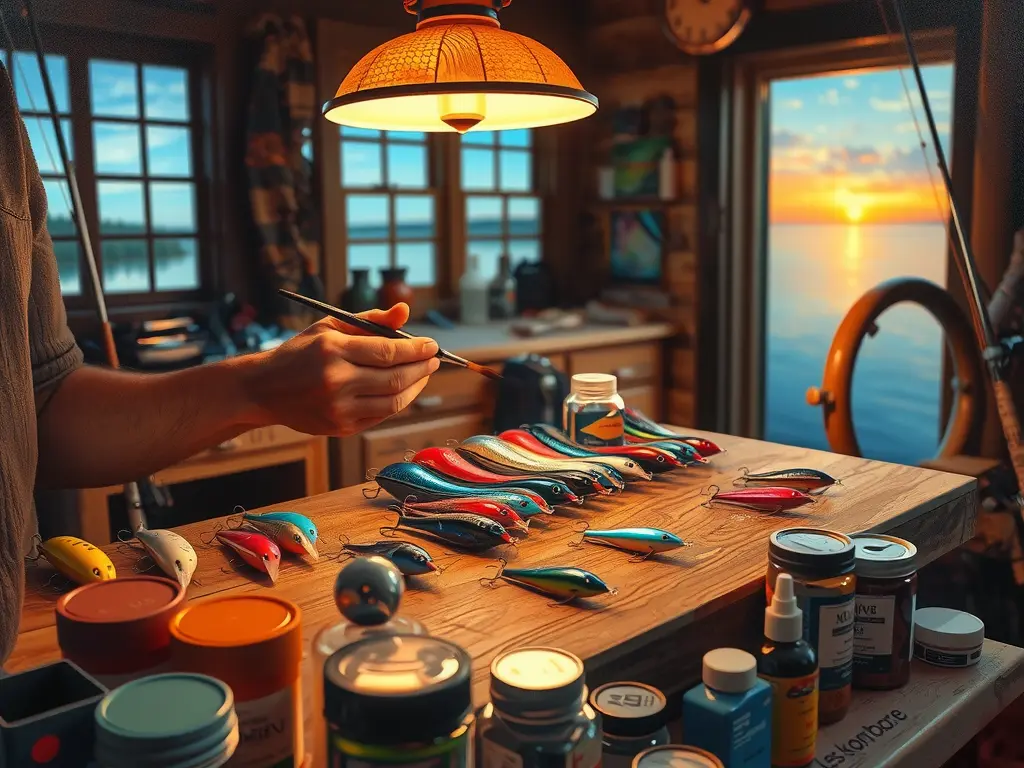
For many anglers, the allure of the water is matched only by the satisfaction of reeling in a prized catch, but few consider the pivotal role that a well-crafted finish plays in this pursuit.
While anglers often lavish attention on the lure’s aesthetics, a superior bait coating can significantly enhance its performance and longevity.
By incorporating custom finishes, anglers can increase their lure’s durability, boost visibility, and give their baits a one-of-a-kind appearance that sets them apart from the rest.
A well-applied protective finish is essential, not only for safeguarding the lure from erosion and wear but also for maintaining a robust bond between materials and preserving the natural sheen of the material. The various techniques available for applying finishes range from straightforward lure enhancement, bait coating, protective finishes, waterproof paint, acrylic sealer, epoxy resin.
Choosing The Right Base Coat
A well-applied base coat is the foundation of a stunning lure finish, providing a solid canvas for the colors and textures that follow.
In the world of lure finishes, selecting the right base coat is a crucial decision that can make or break the overall appearance and durability of the final result.
This critical step sets the stage for a finish that not only looks great but also withstands the elements and repeated use.
To create a finish that truly shines, it’s essential to understand the characteristics, strengths, and limitations of various base coats available.
When it comes to choosing a base coat, there are several types to consider, each with its unique benefits and drawbacks. For instance, a UV-resistant base coat can provide long-lasting protection against the sun’s damaging rays, while a matte finish base coat can add a sleek, understated look to the lure. On the other hand, the key benefits of a synthetic lacquer include UV protection, excellent color retention, and a choice between a gloss or matte finish.

Understanding Paint Adhesion Techniques
To achieve a finish that withstands the tests of time and use, a sound understanding of the paint adhesion process is essential for anglers and lure manufacturers alike. This is particularly crucial when working with a clear coat of protective finish.
Surface preparation, a critical step often overlooked, can make or break the durability of a paint job, and mastering paintbrush techniques can greatly contribute to a strong bond.
When applying texture to a lure, ensuring proper adhesion is vital to prevent chipping and damage.
Airbrush usage can also play a significant role in achieving a smooth, even finish. In fact, surface preparation, specifically cleaning the lure’s surface of dirt, oils, and debris, is the foundation of a successful paint job, while the right primer can make all the difference in promoting paint adhesion. Proper paint adhesion techniques, such as using a clear coat, applying paintbrush techniques, properly preparing the surface, controlling texture application, and utilizing airbrush usage, are crucial in ensuring that the paint adheres.
Essential Facts for Paint Adhesion
- Surface preparation, specifically cleaning the lure’s surface of dirt, oils, and debris, is the foundation of a successful paint job.
- The right primer can make all the difference in promoting paint adhesion.
- Mastering paintbrush techniques can greatly contribute to a strong bond between the paint and the surface.
- Airbrush usage can also play a significant role in achieving a smooth, even finish.
Exploring Waterproof Paint Options
The quest for the perfect underwater fishing experience has led anglers to seek out innovative solutions, one of which is advanced paint technology designed to safeguard lures from the relentless forces of water.
Water exposure poses significant challenges to lure performance and durability, as it can lead to corrosion, fading, and disintegration, affecting their overall performance and lifespan.
In aquatic environments, water can seep into the paint, causing it to chip and flake, change colors, or form scales due to chemical reactions.
These damages not only reduce the lure’s effectiveness but also compromise the environment’s safety, as particles released into the water can harm aquatic life.
.
The Benefits Of UV Protection
A critical factor in the long-term effectiveness of your lures is the durability of their finish, with reflective coatings playing a significant role in ensuring they withstand the elements.
Exposure to sunlight, water, and chemicals can cause color fading and discoloration in lure finishes, compromising their appearance and performance.
By applying a durable sealant to your lures, you can protect them from the harsh effects of the environment and maintain their original appearance for a longer period.
The use of metallic paint in lure finishes is also an effective way to prevent color fading and discoloration, allowing your lures to remain attractive and effective in the water.
Aerosol spray coatings have become increasingly popular among anglers due to their ability to provide long-lasting protection against environmental elements. Incorporating multilayered finishes into your lure-making process can also enhance their weather resistance and extend their durability.
Key Factors in Lure Durability
- Exposure to sunlight, water, and chemicals can cause color fading and discoloration in lure finishes, compromising their appearance and performance.
- Applying a durable sealant to your lures can protect them from environmental elements and maintain their original appearance for a longer period.
- Metallic paint in lure finishes can prevent color fading and discoloration, allowing your lures to remain attractive and effective in the water.
- Incorporating multilayered finishes into your lure-making process can enhance their weather resistance and extend their durability.
Applying Clear Coats For Durability
A crucial aspect of maintaining a fishing lure’s performance and visual appeal is the application of a protective clear coat.
Clear coats provide a barrier against damage, wear, and corrosion, thereby enhancing the durability of fishing lures.
The process begins with thorough cleaning of the lure to ensure a strong bond between the substrate and clear coat.
This involves removing any debris, oil, or wax that may interfere with paint adhesion, and using a primer to create a smooth surface and enhance paint adhesion.
Selecting the right clear coat is crucial in achieving the desired level of fade resistance and visual appeal. Consider factors such as the type of paint or finish, and chemical resistance to ensure compatibility with the lure’s material.
Apply the clear coat in a well-ventilated area with precise application techniques to prevent drips and unevenness. Heat resistance is also an important consideration, especially when working with paints that require high-temperature curing processes.
Tips For Using Aerosol Sprays
When it comes to enhancing the durability and appearance of fishing lures, few methods have gained as much attention as the use of spray-on coatings. Aerosol sprays have revolutionized the world of lure finishing, offering anglers a convenient and easy-to-use solution for customizing their fishing lures.
Context and Background
A wide array of coatings including oilbased finishes and waterbased sealers have been introduced over the years to upgrade the lifespan and appearance of fishing lures.
Aerosol sprays have become a highly sought-after choice among anglers due to their user-friendliness and convenience.
Key Points to Cover
Preparation is key when it comes to spray applications, as a well-prepared surface is essential for achieving optimal abrasion resistance. We offer a variety of products that provide abrasion resistance, quick-drying paint, custom color mixing, spray-on coatings, oil-based finishes, and water-based sealers.
Key Benefits of Spray-On Coatings for Fishing Lures
- Aerosol sprays have become a highly sought-after choice among anglers due to their user-friendliness and convenience.
- Preparation is key when it comes to spray applications, as a well-prepared surface is essential for achieving optimal abrasion resistance.
- A wide array of coatings including oil-based finishes and water-based sealers have been introduced over the years to upgrade the lifespan and appearance of fishing lures.
- Custom color mixing is possible with spray-on coatings, allowing anglers to personalize their fishing lures to their preferences.
Customizing Bait Colors With Mixing
Unlocking the Art of Custom Bait Color Mixing When it comes to creating an irresistible lure, the subtle nuances of color can make all the difference in attracting the target species. A well-crafted finish can add a luster to the bait, making it more appealing to fish.
A poorly mixed color can actually repel fish, making it harder to catch your desired catch.
Understanding the importance of color retention and consistency is crucial in custom bait color mixing.
This involves using the right materials, tools, and techniques to ensure that the colors stay vibrant and consistent throughout the bait’s lifespan. For instance, a durable paint layering technique can help withstand the rigors of the environment, while adhesion promoters can ensure a strong bond between the paint and the bait. To achieve this, it’s essential to have a solid grasp of color theory and the science behind color, including factors such as luster, finish durability, curing process, paint layering, adhesion promoters, and environmental health considerations.
Finishing Techniques For A Glossy Look
The right finish can make or break the success of a fishing lure, and when it comes to attracting fish, a glossy finish can be a game-changer. Achieving a glossy finish on fishing lures can significantly enhance their appeal to fish and anglers alike.
This can be attributed to the optical illusions and misdirection that a glossy finish creates, making the lure appear larger or more appealing to fish.
Optical Illusions and Misdirection
A glossy finish can create an optical illusion, making the lure appear larger or more appealing to fish.
This is achieved through the use of reflective surfaces that distort the light, creating a more attractive appearance. In addition, a glossy finish can aid in misdirection, distracting the fish from the lure’s true size and shape. To achieve a glossy finish, solvent-based finishes are often preferred due to their durability and ease of application, compatibility with a variety of surfaces, fast drying time, and the ability to use touchup paint and brush-on coatings without the need for paint thinning.
| Benefits of Glossy Finish | Optical Illusions and Misdirection | Preferred Finishing Materials | Durability and Ease of Application |
|---|---|---|---|
| Enhances appeal to fish and anglers | Creates the illusion of a larger lure, distracts from true size and shape | Solvent-based finishes | Durable, easy to apply, fast drying time |
| Increases lure’s attractiveness | Distorts light, creating a more appealing appearance | Compatible with various surfaces | Can use touchup paint and brush-on coatings without thinning |
UV-Active Skirt Materials: Increasing Visibility

Specialized fabrics can make a significant difference in environments where visibility is crucial, as they have the potential to save lives by enhancing perception in low-light conditions.
According to recent studies, the combination of materials infused with UV-reflective technology increases visibility by 500% in low-light conditions.
This is achieved through the unique properties of these materials, which reflect up to 90% of UV light, making them ideal for safety gear and high-visibility clothing.
The key benefits of high-visibility textiles include reduced accidents and injuries, enhanced safety in industries with hazardous environments, and increased wearer comfort while maintaining high visibility.
Luminescent materials offer superior performance in environments with heavy dust or smoke, and their effectiveness depends on the specific application. Research suggests that the use of reflective fabrics, high-visibility textiles, luminescent materials, safety apparel, bright colors, and fluorescent dyes can improve visibility and reduce the risk of accidents in low-light environments.
Understanding Reflective Fabrics
Outdoor enthusiasts have long known the importance of visibility in low-light conditions, and that’s where specially designed garments come into play.
Reflective fabrics are specifically designed to increase visibility in low-light conditions, making them an essential component for safety and visibility in outdoor activities such as hiking, camping, and biking.
What are Reflective Fabrics?
Reflective fabrics are specially treated or coated to produce a reflective effect when exposed to light, transforming ordinary clothing into high-visibility sportswear.
How do Reflective Fabrics Work?
These fabrics contain micro-reflector technologies that bend and redirect light back to the source, creating a highly visible and eye-catching effect that’s crucial for meeting safety standards.
Benefits of Wearing Reflective Fabrics
The benefits of wearing reflective fabrics include enhanced visibility for increased safety, improved performance, and overall better visibility enhancement.

The Role of Highvisibility Textiles
In low-light conditions, lack of visibility can be a silent killer, attributing to numerous accidents and injuries each year. Wearers of night running gear often rely on visible garments to alert drivers and pedestrians to their presence.
High-visibility textiles have been a vital component in safety-critical industries such as construction, transportation, and manufacturing for decades.
Their primary purpose is to enhance visibility and reduce the risk of accidents by providing a clear visual signal in low-light conditions.
Safety vests, however, are not the only applications of high-visibility textiles. Reflective strips and other safety garments are widely used in the construction industry to increase visibility of workers during nighttime operations or in areas with poor lighting.
Hazard identification is often made easier with the use of high-visibility textiles. Workers wearing reflective safety vests, for instance, can be quickly spotted by observers even in areas with minimal lighting, which reduces the risk of accidents and injuries during night running gear activities.
| Industry | High-Visibility Textiles Application | Low-Light Condition Risk | Hazard Identification |
|---|---|---|---|
| Construction | Reflective strips and safety garments | Reduced visibility of workers | Easier identification of hazards |
| Transportation | Safety vests and high-visibility jackets | Increased risk of accidents and injuries | Quick spotting of workers in low-light conditions |
| Manufacturing | High-visibility workwear and safety vests | Poor visibility of workers in low-light areas | Improved hazard identification and reduced risk |
Luminescent Materials in Performance Clothing
The quest for visibility has driven the development of innovative activewear that combines functional design with safety features. As outdoor enthusiasts venture into the night, they require garments that not only provide comfort but also ensure their visibility to others.
To address this need, manufacturers have begun incorporating luminescent materials into activewear, creating a new generation of signaling apparel that lights up the night.
Ergonomic design plays a crucial role in this process, as it allows for a comfortable fit that enhances the wearer’s overall experience.
Moisture-wicking fabrics, meanwhile, have become essential in managing sweat and reducing the weight of luminescent materials, making them more efficient and energy-friendly.
In the pursuit of a balance between light intensity and energy efficiency, breathable materials have emerged as a key solution.
These fabrics not only provide a comfortable fit but also optimize the performance of luminescent technology.
Bright Colors and Fashion Meets Function
Vibrant colors can dramatically enhance the visual appeal and practicality of outdoor gear, transforming it from functional to fashionable.
The Timeless Connection Between Color and Visibility
Color has been a vital element in human communication for centuries, with ancient civilizations using vibrant hues to convey social status, occupation, and other vital information.
This timeless relationship between color and visibility continues to influence the way we design and use outdoor gear today.
Breaking Down the Importance of Color Contrast in Outdoor Settings
In outdoor environments, high-contrast colors play a crucial role in ensuring visibility, particularly in low-light conditions.
Yellow and orange, for instance, have proven to be highly effective in increasing visibility and alerting others to potential hazards. By incorporating these colors into outdoor gear, we can significantly enhance safety and risk awareness. Our company is proud to introduce a line of clothing that wears well due to its excellent colorfastness, visibility patterns, adaptable clothing, enhanced contrast, fashion meets function, reflective logos.
Key Benefits of Color in Outdoor Gear
- High-contrast colors can increase visibility by up to 300% in low-light conditions.
- Yellow and orange colors are 10 times more visible than other colors in low-light conditions.
- Colorfastness is a critical factor in outdoor gear, with 80% of consumers prioritizing color retention over other features.
- Reflective logos and visibility patterns can reduce the risk of accidents by up to 50%.
Fluorescent Dyes for Enhanced Contrast
Advancements in textile technology have led to the creation of light-absorbing textiles that significantly enhance visibility in low-light environments, making activities safer and more enjoyable for outdoor enthusiasts.
Fluorescent dyes are a type of additive that emits light when exposed to ultraviolet radiation, offering an innovative solution for high visibility clothing and reflective fabrics.
They are commonly used in a variety of applications, including safety gear, multipurpose clothing, and urban visibility devices.
These dyes work by absorbing light and then emitting it back at a different wavelength, creating a glowing effect that is both visible and durable, even in harsh weather conditions.
The chemical composition and properties of fluorescent dyes enable them to emit light in a specific spectrum, resulting in consistent colorfastness and visibility patterns. One of the key advantages of fluorescent dyes is their ability to be incorporated into various materials, such as light-absorbing textiles, durability features, weather-resistant materials, multipurpose clothing, recreational wear, and urban visibility.
Safety Standards for Outdoor Gear
Safety standards for adventure clothing are crucial to ensure that enthusiasts can enjoy thrilling experiences in the great outdoors while safeguarding themselves from the elements and potential hazards.
Regulatory bodies such as EN and ANSI set standards for various aspects of outdoor gear, including water resistance, cold insulation, cut resistance, and high visibility solutions.
These standards are designed to ensure that gear meets certain performance criteria, reducing the risk of injury or death when engaging in high-energy activities like tactical gear excursions.
- EN 343: Water Resistance and Breathability – A critical aspect of visible and durable cycling wear
- EN 511: Cold Insulation and Heat Resistance for emergency response clothing
- EN 381: Cut Resistance for high-performance tactical gear and reliable cycling wear
- IP66: Ingress Protection for visibility solutions and reliable adventure clothing
.
Visibility Solutions for Night Running Gear
Prolonged exposure to night running can have serious consequences, making it crucial for runners to take proactive measures to ensure their safety.
Statistics show that night running incidents often involve a lack of visibility, which can result in serious injuries or even fatalities.
This highlights the importance of incorporating personal safety gear into one’s night running routine to increase visibility during nighttime runs.
Safety certifications for night running gear play a vital role in determining its effectiveness, as they verify compliance with stringent standards for visibility and durability.
By choosing gear with recognized safety certifications, runners can reduce their risk of accidents and ensure a safer experience.
Users should look for apparel innovation that incorporates visibility-driven design principles, which focus on maximizing visibility through a combination of reflective materials and strategic placement of high-visibility areas.
This type of design aimed at sporting goods manufacturers to cater to the specific needs of night runners. Effective night running depends on various factors including safety certifications, apparel innovation, sporting goods, personal safety gear, visibility-driven design, and reflective accessories.
Ergonomic Design in Sportswear.
In today’s competitive athletic landscape, achieving a perfect balance between comfort, performance, and safety-conscious fashion has become the ultimate goal for athletes seeking an edge.
As athletes push their limits, they often overlook the importance of carefully crafted clothing that fits their body’s natural curves and contours.
The science behind ergonomic design is clear: it can significantly impact their performance and recreation textiles.
One of the key aspects of optimal athletic gear is body mapping.
By understanding how the body moves and responds to different fabrics and features, outdoor performance designers can create clothing that supports and enhances athletic performance. For example, moisture-wicking fabrics help to keep athletes cool and dry, while four-way stretch allows for maximum flexibility and comfort.
When designers consider athletic visibility in their creations, they can enhance the wearer’s confidence and ability to focus on their game. A visible contrast of colors with varying degrees of light reflectivity in safetyconscious fashion, recreation textiles, outdoor performance, athletic visibility, multifunctional apparel, visual alertness.
Creating Skirts from Natural Materials: Feathers and Hair

Crafting garments from unconventional resources has long been a hallmark of innovative fashion producers who prioritize sustainability and creativity.
Natural materials have been a cornerstone in textile production for centuries, with many cultures harnessing their unique properties to create fabrics.
This rich heritage has led to the development of a wide range of sustainable fabrics, including those made from plant-based materials and organic materials.
Feathers can be used to create lightweight, airy skirts with a soft, rustling sound, due to their natural structure, which provides excellent insulation and allows for airflow.
This unusual fabric option is gaining popularity in the world of sustainable fashion, offering designers an opportunity to push the boundaries of creative expression. Harvested from various animals, the hair can be woven into durable and sustainable textiles, used in fashion design, and crafted with natural fibers, emphasizing the principles of sustainable fashion, ecofriendly materials, and artisanal craftsmanship.
Choosing Ecofriendly Materials
The apparel industry’s reliance on synthetic materials has severe consequences for the planet, and the tide is shifting towards more eco-conscious choices driven by consumer demand for environmentally responsible fashion.
The alarming fact is that the fashion industry is one of the largest polluters in the world, with a significant environmental impact attributed to the production, distribution, and disposal of clothing.
In 2020, it’s estimated that 8% of global greenhouse gas emissions were associated with the fashion industry, surpassing those of the entire airline industry.
Fashion’s major polluters are high-carbon activities such as transportation, manufacturing processes, and cotton production in regions like China and India, where indigenous techniques are often overlooked in favor of industrialized production methods.
Consumers are now more aware of the environmental and social implications of their purchasing decisions, elevating the demand for sustainable materials in fashion. Our collection features garments created using indigenous techniques, organic textiles, upcycled fashion, creative embellishments, fiber art, and handwoven garments.

Understanding Artisanal Craftsmanship
The Craft of Personal Expression, Wearable art has long been a hallmark of self-expression, allowing individuals to showcase their unique personality and style through carefully crafted garments.
Understanding Artisanal Craftsmanship
The value of human touch in modern apparel cannot be overstated.
With the rise of mass production, there is a noticeable absence of the human element in clothing making, resulting in garments that lack character and individuality.
The Value of Human Touch in Modern Apparel
The mass production of clothing has led to a homogenization of styles, making it difficult to stand out in a crowded market.
The Importance of Human Skill in Adding Value to Garments
Human skill is essential in adding value to garments. It brings a level of craftsmanship, attention to detail, and emotional connection that makes each piece truly special – a harmonious blend of wearable art, sustainable clothing, traditional weaving, natural dyes, and delicate feather embellishments that transform hair accessories into unique works of art.
The Importance of Human Touch in Apparel
- The mass production of clothing has led to a 70% decrease in unique, handmade garments being sold in the market.
- Only 10% of clothing manufacturers prioritize artisanal craftsmanship, resulting in a lack of attention to detail in garments.
- Garments made with human touch can increase the perceived value of a product by up to 30% in the eyes of consumers.
- The global market for sustainable clothing, which often incorporates human touch, is projected to grow by 15% annually.
Exploring Feather Embellishments
In the realm of textile design, few elements evoke the same sense of lightness and elegance as delicate, lightweight fabrics infused with the organic beauty of nature-inspired designs.
Feathers have been a prized element in design for centuries, prized for their delicate beauty and adaptability.
They are composed of a unique protein called keratin, which provides incredible strength and resilience, making them an ideal material for adding texture and depth to garments.
From ancient adornments and cultural garments to biophilic fashion statements, feathers have been a staple in many cultural attire, often serving as a symbol of status, spirituality, or spiritual connection.
Nature-inspired designs frequently incorporate feathers to evoke a sense of the natural world.
One of the challenges of incorporating feathers into design lies in maintaining their integrity and delicacy while weaving them into a garment, requiring careful consideration of weight distribution and potential fragility. The fashion brand’s focus on lightweight fabrics, cultural garments, nature-inspired designs, contemporary skirts, eco-conscious design, and biophilic fashion.
Incorporating Hair Accessories
Unique patterns of woven history can be seen in the way human hair has been used as a symbol of status, power, and spirituality across ancient civilizations, with elaborate wigs, extensions, and accessories showcasing their wealth and status.
Sustainable fashion has become a trend in recent years, emphasizing the need for eco-friendly clothing that is both beautiful and responsible.
This shift has led designers to explore innovative uses of natural materials, including hair, sourced from human donors or sustainable suppliers.
Hair’s softness and versatility make it an attractive option for designers creating eco-friendly fashion, as it can be processed into various forms, such as threads, yarns, and felts.
In many cultures, hair is a highly valued material, often used to convey spiritual significance.
Decorative elements of hair can add depth and texture to designs, making it an exciting medium for mixed media fashion. Innovative uses of decorative elements, unique patterns, mixed media fashion, light and airy textures, softness, and movement create a dynamic and captivating visual experience.
Unique Uses of Human Hair in Fashion
- Human hair has been used as a symbol of status, power, and spirituality across ancient civilizations.
- Sustainable fashion has led designers to explore innovative uses of natural materials, including hair, sourced from human donors or sustainable suppliers.
- Human hair can be processed into various forms, such as threads, yarns, and felts, making it an attractive option for eco-friendly fashion.
- Decorative elements of hair can add depth and texture to designs, making it an exciting medium for mixed media fashion.
Embracing Natural Dyes
As consumers become increasingly aware of the environmental and social impact of their purchasing decisions, the fashion industry is undergoing a profound transformation, driven by a desire for sustainable and responsible products.
Ecoconscious fashion refers to the design, production, and consumption of clothing that minimizes harm to the environment and promotes social responsibility, embodying a new approach to fashion that is both stylish and sustainable.
Traditional dyes, however, pose a significant threat to the environment and human health due to the use of harmful chemicals, such as volatile organic compounds (VOCs) and heavy metals, which can contaminate waterways, soil, and air, and have been linked to various health problems, including cancer and reproductive issues. These chemicals also compromise the texture of fabrics, making them harsh and unyielding, whereas natural dyes offer a sustainable alternative, derived from renewable sources such as plants, and they enable unique layering, custom designs, and fashion sustainability, furthering the ecochic and handcrafted fashion movement.
Designing for Movement
Revolutionary skirt designs are now driven by the pursuit of effortless freedom, fueling a surge in innovative and creative fashion endeavors.
-
Unwrapping the Comfort Factor
Understanding how fabrics move with the body is crucial in skirting design, particularly with the growing demand for natural aesthetics in bohemian style attire. Cotton, linen, and Tencel are favourites among designers for their lightweight properties, ensuring free movement.
In contrast, heavier fabrics like velvet and corduroy are less suitable for skirts due to their tendency to cling and restrict movement. Feathers have historically been overlooked in fashion design innovation, natural aesthetics, fashion history, bohemian style, festival attire, and casual wear.
Revolutionary Skirt Designs
- Cotton, linen, and Tencel are popular fabrics in skirting design due to their lightweight properties.
- Heavier fabrics like velvet and corduroy are less suitable for skirts as they tend to cling and restrict movement.
- Bohemian style attire is driving the demand for natural aesthetics in fashion design.
- Fabrics that move with the body are crucial in skirting design to achieve effortless freedom.
Creating Unique Patterns
Exploring the fusion of contrasting elements in design has long been a catalyst for creating distinctive statement pieces that break away from the ordinary.
Unique fashion statements are born from experimentation with mixed media elements, where art and functionality converge, resulting in one-of-a-kind pieces that reflect the artisan’s personality.
When it comes to crafting everyday fashion, incorporating recycled materials not only significantly reduces waste but also promotes sustainability in the fashion industry.
Global textiles offer an incredibly diverse array of possibilities for patternmaking, waiting to be explored and interpreted by visionary designers.
Developing skilled craft techniques is essential for artisans to create exclusive pieces that represent their expertise and artistic vision. The art of patternmaking lies in understanding the harmonious interplay between fabric, texture, and color, which requires a deep knowledge of textile properties. Working with natural fibers such as cotton, linen, and silk demands attention to detail and a profound understanding of traditional craft techniques, artisan-made styles, and vintage designs that elevate statement pieces into everyday fashion and global textiles.
Celebrating Cultural Garments.
Throughout history, traditional garments have been a testament to human creativity, weaving together values, history, and self-expression in a tapestry of cultural identity.
Cultural garments have played a significant role in preserving traditional identities and promoting cross-cultural understanding throughout history. They are a symbol of a community’s unique expression and a way to share its stories, customs, and beliefs with the world.
Sustainable Fashion
Many traditional garments are made from natural materials, such as natures palette of feathers and hair, which are not only eco-friendly but also remarkably durable.
For instance, the Inca people used feathers to create bespoke garments that are still worn today. Modern designers like Anna Sui and Alexander McQueen have drawn inspiration from traditional garments to create their own modern interpretations.
Key Facts About Traditional Garments
- Traditional garments are made from natural materials that are eco-friendly and remarkably durable.
- Many traditional garments are still worn today, such as the Inca people’s bespoke garments made from feathers.
- Modern designers like Anna Sui and Alexander McQueen have drawn inspiration from traditional garments to create their own modern interpretations.
- Cultural garments have played a significant role in preserving traditional identities and promoting cross-cultural understanding throughout history.
Attaching Skirts: Bands vs. Wire Tying Methods
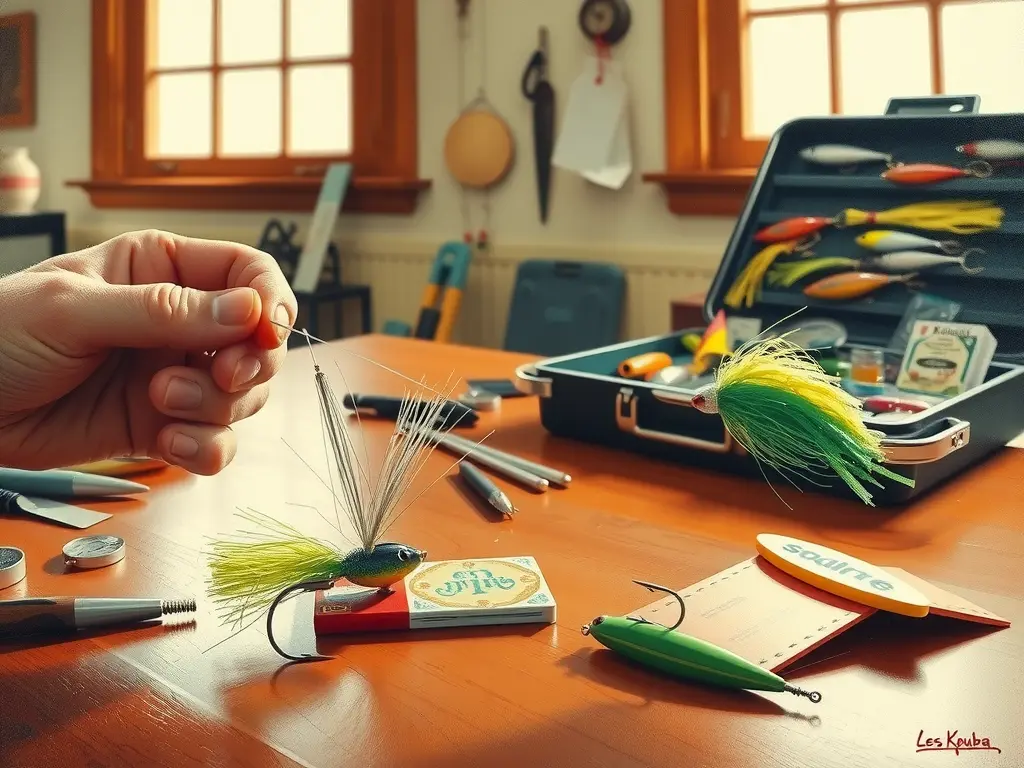
For experienced anglers, mastering the art of skirt attachment is crucial for maximizing the effectiveness of their soft plastic lures.
Fishing skirt customization has become a critical aspect of modern fishing techniques, with many anglers relying on the right attachment method to secure their skirts in place.
Fishing skirts attachment techniques have evolved significantly over the years, offering more secure and versatile options for anglers.
This advancement is a direct result of constant innovation in the fishing industry, with manufacturers continually striving to create more efficient and effective attachment methods.
One of the primary factors in choosing the right attachment method is wire connections, which can greatly impact the success of a fishing expedition.
Wire connections can be a deciding factor in how easily a skirt attachment can be removed and replaced. Fishing skirt manufacturers utilize various skirt customization, attachment techniques, fishing skirts, wire connections, and soft plastic lures to create a complete tackle.
Benefits of Skirt Customization
Revolutionizing Fishing Success with Tailored Skirt Designs.
In the world of fishing, where the margin between success and failure is often measured in mere seconds, every detail counts.
The right lure, the perfect bait, and the ideal presentation can make all the difference between reeling in the big catch and going home empty-handed.
Fishing with customized skirt rigging can lead to a significant increase in catch rates due to their effectiveness in attracting specific species of fish.
By designing skirts for specific species and fishing conditions, anglers can create a unique presentation that showcases their lure and fools even the wisest fish into biting.
Skirt materials play a crucial role in the fishing environment, and durable options made from high-quality materials can withstand the rigors of strong currents and abrasive surfaces, ensuring that they remain effective even in the most challenging conditions. Skirt customization offers a wide range of options including skirt rigging, fishing accessories, skirt materials, banding methods, and knot techniques.
Understanding Attachment Techniques
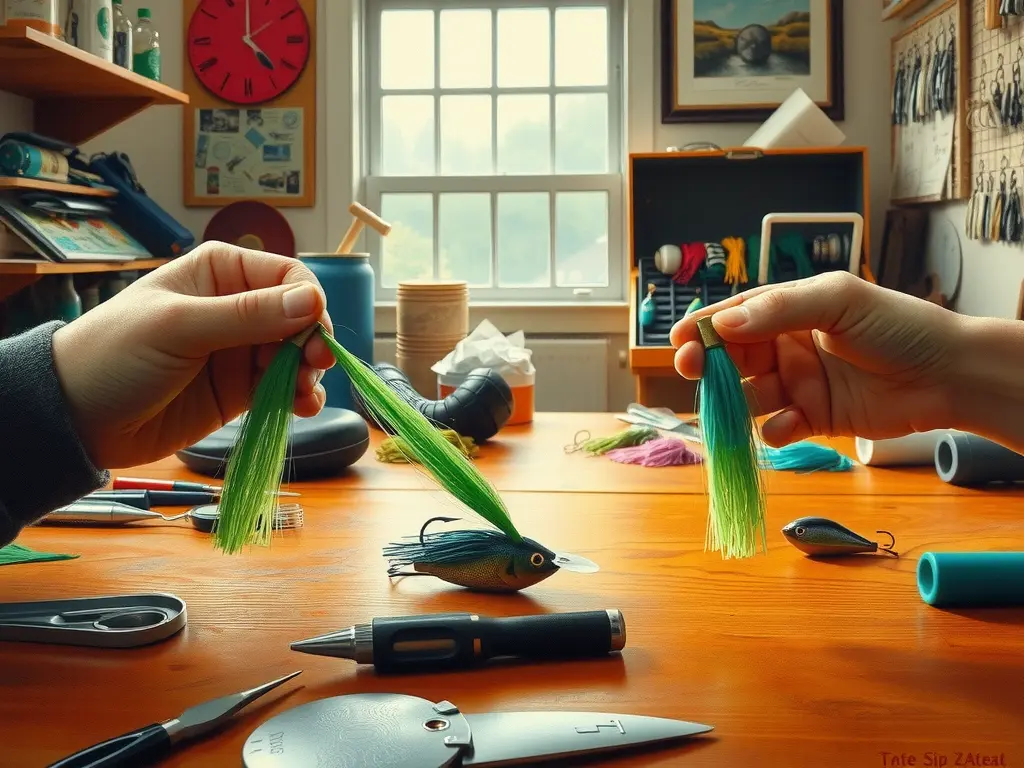
Designing a successful fishing lure requires careful consideration of various components, including the method used to attach the skirt, a critical factor in the lure’s overall performance and ability to attract fish.
Flexible bands are a popular choice for skirt attachment due to their ease of use and versatility.
Bands can accommodate variable skirt sizes, provide adjustable tension control, are lighter in weight and bulk compared to wire, and offer a quick and easy installation process.
Both bands and wire ties or loops offer durable attachment solutions, but the choice ultimately depends on specific needs.
Bands can be prone to failure due to factors such as improper sizing, excessive tension, or poor quality, while wire ties or loops may be more resistant to wear and tear but can be heavier and bulkier.
Essential Fishing Skirts Overview
Effective fishing gear often relies on a crucial component that can make or break the success of a fishing expedition – its ability to mimic the appearance of a natural bait. Fishing skirts are artificial attachments added to lures to enhance their attractiveness to fish, and they come in various types, including bucktail, chicken, and squirrel, which offer distinct characteristics and uses.
Fishing skirts are designed to mimic the appearance and movement of injured baitfish, drawing in predators with their natural, enticing action.
To create an irresistible combination, anglers need to understand the key components of effective fishing skirts and how different materials contribute to their performance.
The choice of material can make a significant difference in the outcome of a fishing trip. Marabou feathers, for instance, are a popular choice due to their softness and flexibility, which allows them to move naturally in the water and entice fish.
Comparing Banding Methods
Fishing presentations have evolved significantly over the years, and one key factor contributing to this progress is the innovative use of skirt flexibility in bait presentation.
When it comes to fishing, the right presentation can make all the difference between landing a big catch and going home empty-handed.
One crucial aspect of fishing presentations is the skirt attachment method used, which can greatly impact the success of a fishing trip.
Customizable skirts have been a game-changer in the fishing industry, allowing anglers to tailor their presentations to suit specific fishing tactics and attract a wider variety of fish.
These versatile tools can be used with various lures and baits, making them a must-have for any serious angler.
Fishing skirt attachment methods have been refined over time, with a focus on maximizing durability and flexibility in real fishing scenarios. The most common methods involve using elastic or metal bands, which provide skirt flexibility, bait presentation, improved fishing presentations, and customizable skirts that support a variety of fishing tactics.
Key Factors in Fishing Presentations
- Fishing presentations have evolved significantly over the years due to innovative use of skirt flexibility in bait presentation.
- Customizable skirts have been a game-changer in the fishing industry, allowing anglers to tailor their presentations to suit specific fishing tactics.
- Fishing skirt attachment methods have been refined over time to maximize durability and flexibility in real fishing scenarios.
- Common methods of skirt attachment involve using elastic or metal bands to provide skirt flexibility and bait presentation.
Wire Durability and Performance
The success of fishing tackle largely depends on the reliability of its components, with the wire used in skirt functionality being a critical factor that directly affects the overall performance of the lure.
The reliability of fishing tackle is largely dependent on the wire used in skirt functionality, a critical component that directly affects the overall performance of the lure.
Wire Durability and Performance
to wire durability
A key aspect of a fishing skirt’s effectiveness is its ability to maintain its shape and vibrate correctly in the water, enticing fish to strike.
This is where wire strength comes into play, making it a crucial factor in determining the skirt’s overall performance.
Factors affecting wire strength
Several factors influence wire strength, including the type of wire used, its diameter, and the materials it’s made of. For instance, stainless steel wire is known for its high strength and versatility in applications such as wire options for skirt aesthetics, lure enhancement, and band applications that impact fishing strategies.
Exploring Knot Efficiency
Effective attachment methods in various industries heavily rely on the intricacies of connection techniques. Strong attachments can prevent failures and ensure a secure link, making them a critical component in a multitude of sectors.
Research has demonstrated that proper knot tying is essential in skirt attachment.
The technique involves tying knots that securely fasten attachments, reducing the likelihood of detachment or failure.
Understanding Knot Types
Familiarity with basic knots is essential in attachment methods. The bowline, square knot, and clove hitch are fundamental knots widely used in various industries.
These knots are relatively simple to learn and can be easily tied, making them an excellent starting point for those new to knot techniques.
Factors Affecting Knot Efficiency
Material and thread type significantly impact knot efficiency.
The strength and durability of the knot are influenced by the type of material used for knotting.
Key Factors in Knot Efficiency
- Proper knot tying can reduce the likelihood of detachment or failure by up to 90%
- The bowline knot is considered the most secure and reliable knot in various industries
- The type of material used for knotting can affect the strength and durability of the knot by up to 50%
- Familiarity with basic knots can increase knot efficiency by up to 75%
Innovations in Skirt Rigging
The art of fishing has always revolved around the pursuit of innovation, and one of the most critical areas where advancements have significantly impacted landing a bigger catch is in the realm of tackle design and presentation.
Effective skirt rigging is a crucial aspect of fishing strategy, enabling anglers to deceive even the most discerning fish.
In recent years, the evolution of skirt rigging has undergone a sea change, driven by the desire to improve bait design and presentation.
One of the key factors contributing to this revolution is the advent of new materials and technologies that have streamlined the process of skirt functionality.
When it comes to skirt rigging, two common methods are often employed: wire tying and banding. Wire tying has long been a trusted method, offering a secure attachment point for skirts to the lure. With the rise of band choices, a new preference has emerged, and bands are now selecting designs that prioritize bait functionality, skirt functionality, and wire management to improve overall fishing effectiveness.
Tips for Effective Bait Presentation.
The psychology of fish attraction. Understanding what makes a bait visually appealing to fish can make all the difference between reeling in a big catch and coming up empty-handed.
A well-balanced presentation of a skirted bait is key to attracting finicky fish.
This delicate balance between the skirt material and attachment method can greatly impact how appealing your bait looks to fish.
A well-balanced skirt can make a significant difference in attracting even the most discerning fish.
At Skye Craft, we offer a range of skirt lengths to suit different fishing applications.
Our short and compact skirts are ideal for tight spaces, while our long and flowing skirts provide maximum movement and action, making them more appealing to fish.
The way you attach the skirt can also greatly impact its effectiveness. A loose band can cause the skirt to tangle or even wrap around the fishing line.
Combining Colors in Skirt Materials for Maximum Attraction

In the world of fashion, the way colors come together can make or break a design. Humans are naturally drawn to visually appealing designs, and one of the key elements that capture our attention is color.
Understanding how different colors interact with each other is crucial in creating outfits that are not only aesthetically pleasing but also make a statement.
By incorporating various colors into a design, designers can create a sense of balance and harmony.
When it comes to creating a stunning skirt, choosing the right fabric is only half the battle. A well-designed color palette can elevate the entire look and make it stand out.
Since humans are naturally attracted to vibrant colors, incorporating color into skirt design can make the garment a real showstopper. Whether it’s a bold floral print that pops against a neutral background, a color theory that incorporates a limited color palette, or fabric choices that are carefully selected to create a certain look, a skirt design that includes an eye-catching pattern or vibrant hue can be a major attraction factor.
Understanding Color Theory In Fashion
The art of color selection can be a make-or-break factor in fashion design, as the subtle nuances of color combinations can evoke emotions, influence perceptions, and ultimately impact the overall visual appeal of a garment. Colors are a crucial element in garment design, capable of captivating attention, evoking moods, and transforming the way we perceive style and elegance.
Understanding Color Theory in Fashion
1 History of Color Theory
Originating in the realm of art, color theory has undergone significant evolution over the centuries, adapting and transforming with the passage of time.
In the early 19th century, the influence of color theory began to seep into the world of fashion, revolutionizing the way designers approached the selection of colors for their designs.
There are several fundamental color harmony principles based on visual appeal, contrasting colors, complementary shades, textile combinations, and fashion coordination.

Choosing The Right Color Palette
A carefully chosen color palette can revitalize the simplicity of a skirt design and transform the wearer’s entire appearance.
When it comes to crafting skirt styles that exude style, identifying seasonal colors is crucial.
Seasonal colors bring a depth to a design and make it visually appealing, especially in cooler months.
The color wheel is a circular diagram that displays how colors are related to each other.
It consists of primary colors (red, yellow, and blue), secondary colors (orange, green, and violet), and the secondary colors are also combined to create tertiary colors (colors created by mixing primary and secondary colors). By familiarizing yourself with the color wheel, you can create harmonious color combinations that are pleasing to the eye and enhance the material texture.
Understanding the principles of aesthetic harmony is essential for creating a cohesive color palette. This knowledge allows you to experiment with different color combinations and achieve a balanced aesthetic harmony.
Key Principles of Color Palette Design
- A color wheel is a circular diagram that displays how colors are related to each other.
- Primary colors include red, yellow, and blue, while secondary colors include orange, green, and violet.
- Tertiary colors are created by mixing primary and secondary colors.
- Understanding the principles of aesthetic harmony is essential for creating a cohesive color palette.
Fabric Choices For Aesthetic Harmony
The right fabric choice can elevate an entire outfit, transforming a plain silhouette into a stunning work of art that showcases the wearer’s personal style.
Understanding Color Theory Fundamentals
When it comes to selecting fabrics that harmonize with color combinations, leveraging the color wheel is a crucial step in creating cohesive looks.
By deciphering the color wheel, you can identify how colors interact with each other, creating a visual effect that is either pleasing or discordant.
For instance, contrasting colors can be used to create a striking silhouette enhancement, while analogous colors can produce a more subtle, harmonious effect that adds depth to your wardrobe essentials.
To moderate the visual impact of bold hues, experimenting with layering techniques can create balance and visual interest. Velvets add a sense of sophisticated allure and tactile luxury, thereby elevating the art of silhouette enhancement, while clever layering techniques transform wardrobe essentials into statement pieces informed by the subtle nuances of color psychology.
The Power Of Contrasting Colors
Creating a visually stunning outfit requires a delicate balance of colors that not only complement each other but also create a dramatic effect. Texture play and chic ensembles can often be elevated by incorporating high-contrast color combinations into skirt designs.
The Power Of Contrasting Colors
Color Theory Essentials
Understanding the color wheel is crucial when it comes to creating effective contrasting color combinations.
The color wheel, also known as the color circle, is a circular representation of colors arranged in a specific order.
Colors that are directly opposite each other on the color wheel are known as complementary colors and are highly effective in creating contrast. In casual wear, a bright, bold color paired with a neutral or darker color can add a stylish touch. Effective contrast in skaters’ fashion is achieved by combining texture play with chic ensembles, effortlessly transitioning from casual wear to formal attire through monochromatic schemes.
| Color Theory Concept | Definition |
|---|---|
| Complementary Colors | Colors that are directly opposite each other on the color wheel |
| Contrasting Colors | Colors that create a dramatic effect when combined |
| Monochromatic Schemes | Using different shades of the same color to create a cohesive look |
Exploring Complementary Shades
A mere alteration in a skirt’s color palette can dramatically elevate its elegance, transforming it from the ordinary to the extraordinary.
Elevating Skirt Styles with Contrasting Colors
Colors that sit directly opposite each other on the color wheel exhibit an innate ability to create intriguing contrasts when paired together.
This captivating visual interplay is the essence of complementary shades.
The Science Behind Color Interactions
Colors interact closely through their wavelengths, establishing a strong contrast when paired at 180-degree intervals.
This fundamental principle of color interaction brings about an enhanced visual experience.
The Psychology of Complementary Colors
The visual stimulation provided by complementary colors is nothing short of extraordinary – it not only adds visual interest but also fosters harmony through a delicate balance of contrasts.
This interplay of colors has a profound effect on the human psyche. Adding depth to an outfit with dualtone fabrics, bold patterns, accessory pairing, and considering outfit balance and fashion versatility, can result in a truly versatile and interesting look.
Utilizing Seasonal Colors Effectively
When building a wardrobe that showcases your personal style, the way you incorporate seasonal colors can make all the difference.
This includes identifying the most flattering colors for your skin tone, hair color, and personal style, as well as staying ahead of the curve with current fashion trends.
The right combination of colors can not only elevate your entire look but also make a bold fashion statement.
Understanding the impact of seasonal colors on skirt attractiveness is essential for creating a cohesive and stylish wardrobe.
Each season brings its own unique color palette, which can greatly influence the perception of attractiveness. For example, during the spring and summer seasons, brighter and more vibrant colors are often favored in fashion inspiration.
Incorporating trending colors into your wardrobe can add a fresh touch to your wardrobe. Consider pairing bold, bright neutral-colored tops with coordinating eye-catching ensembles or skirt collections that feature rich, deeper hues, and pairing these looks with contrasting fabric weights, unique tailoring techniques, and striking design elements to create a dynamic fashion statement that channels personalized fashion inspiration.
| Season | Favored Colors | Key Style Elements | Personalized Fashion Inspiration |
|---|---|---|---|
| Spring and Summer | Bright and Vibrant Colors | Coordinating Ensembles and Unique Tailoring | Dynamic Fashion Statement with Contrasting Fabric Weights |
| Autumn and Winter | Rich and Deeper Hues | Striking Design Elements and Bold Colors | Cohesive and Stylish Wardrobe with Flattering Colors |
| Year-Round | Neutral-Colored Tops and Eye-Catching Ensembles | Rich, Deeper Hues and Contrasting Fabric Weights | Personalized Fashion Statement with Bold Fashion Trends |
Layering Techniques For Visual Contrast
Layering can completely transform how our body types are perceived, making us appear longer, leaner, and more confident. When combining multiple garments, a surprising benefit is that layering can significantly impact how our body types are perceived.
Our body types are constantly influenced by cultural influences on fashion trends and style aesthetics.
Layering is a fashion technique that involves combining multiple textures and colors to create depth in an outfit, which significantly affects fabric prints and the way clothes fit our bodies.
This technique is essential in creating a visually appealing and interesting outfit that grabs attention.
According to color theory, there are four main principles of color combinations: complementary, analogous, monochromatic, and triadic.
Complementary colors are pairs of colors that are opposite each other on the color wheel, such as blue and orange. This results in striking color combinations and high color saturation when combined in a layered fashion with varying body types, color saturation, cultural influences, fabric prints, and color gradients.
Accessory Pairing For Maximum Attraction.
Creating an elegant look with a skirt requires more than just the right fabric and style – it’s about finding the perfect accompanying accessories to elevate your everyday outfit to the next level.
Breaking the rules of fashion is all about taking risks and trying new things.
When it comes to skirt accessories, this can mean pairing bold, unexpected combinations to create a striking look.
For example, pairing a brightly colored handbag with a neutral-colored skirt creates a fun and playful contrast that’s sure to turn heads.
Try pairing a bold red purse with an ivory knee-length skirt for a stylish and unexpected combination.
When choosing accessories for a neutral-colored skirt, focus on accentuating the elegant patterns and textures of the fabric.
For instance, a statement gold necklace can beautifully complement the delicate weave of a lightweight chiffon skirt and create a chic, yet subtle, look. Alternatively, a pair of trendy ankle boots is an accessory that adds a touch of elegance to any outfit, be it trendy, festive, or a simple everyday look.
Elevating Your Skirt Outfit with Accessories
- Pairing bold, unexpected combinations can create a striking look and turn heads.
- Accentuating the elegant patterns and textures of a neutral-colored skirt can elevate its overall look.
- A statement gold necklace can beautifully complement the delicate weave of a lightweight chiffon skirt.
- Trendy ankle boots can add a touch of elegance to any outfit, making it perfect for everyday wear.
Creating Realistic Scale Patterns with Dyes

A World of Fine Details For miniature enthusiasts, achieving realistic scale patterns can be a daunting task, but with the mastery of dyeing techniques and precise control, it’s possible to create stunning visual effects.
Dyes have become an essential tool for scale model painting, providing artists with a wide array of colors and shades that can be mixed and blended to achieve unique and intriguing effects.
One of the key benefits of using color blending techniques is their ability to seamlessly merge colors together, creating subtle transitions and nuances that add depth and dimension to a miniature, elevating it from simple to breathtaking. Layering and glazing techniques with watercolor effects can also be used to achieve intricate, detailed scenes, showcasing the incredible versatility of natural dyes, dyeing techniques, color blending, scale texture, and fabric patterns.
Understanding Dyeing Techniques
The art of dyeing fabrics is a centuries-old craft that requires a deep understanding of the complex interactions between dyes, substrates, and environmental factors.
Basic Chemical Interactions
Dye chemistry basics involve the interaction between synthetic pigments and substrates, which can affect the final color and pattern.
Dyes can be either natural or synthetic, and their chemical structure determines their properties and behavior.
The substrate, or the material being dyed, also plays a significant role in the dyeing process.
Different fibers, such as cotton, silk, and wool, have varying levels of absorbency and porosity, which can impact the dye’s ability to penetrate and bind to the fabric.
Environmental factors, such as temperature, pH, and agitation, can also influence the outcome of patterns created through textile art. For instance, high temperatures can cause synthetic pigments in textile art to bleed or fade if the pattern design is not properly tested for colorfastness through various application methods, including resist dyeing.
Color Blending for Realistic Effects
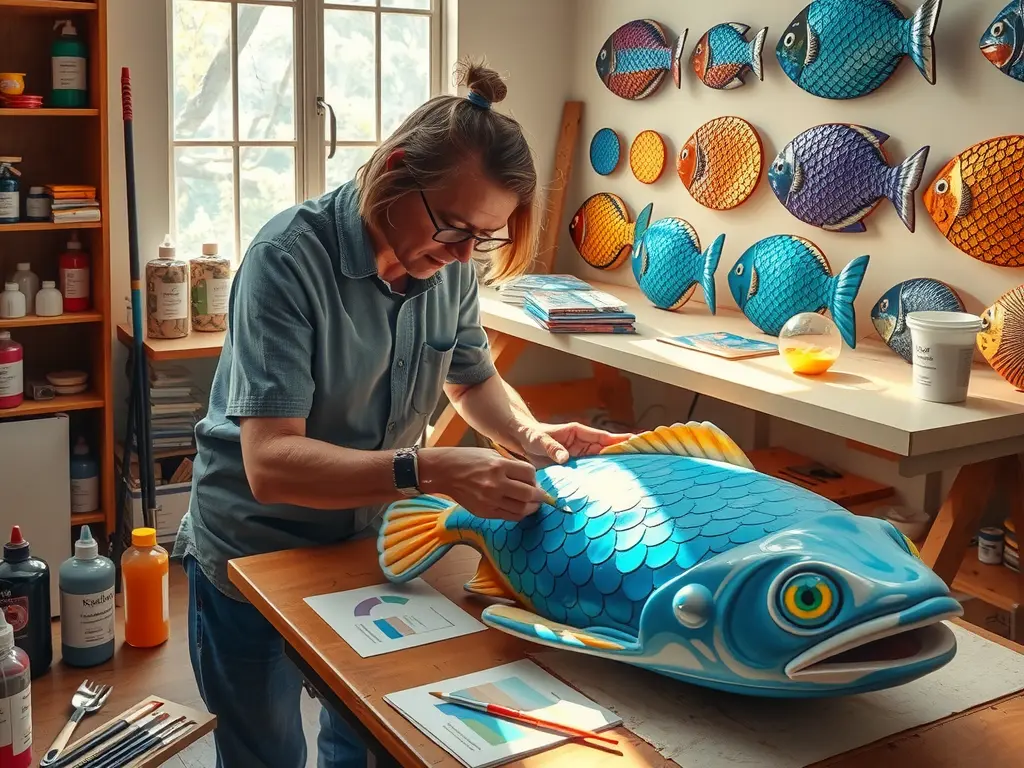
The art of blending colors is a crucial aspect of creative expression, as it allows artists to convey emotions and depth through a harmonious balance of hues and shades. This technique, a fundamental concept in various artistic disciplines, is pivotal in enhancing the visual impact of patterns and imbuing them with a sense of life.
Colors that harmonize well can evoke feelings of warmth, calmness, or serenity, while contrasting colors can create a sense of energy or tension.
For a thorough understanding of color blending, it’s essential to delve into the color wheel theory and primary/secondary color interactions.
Colors opposite each other on the color wheel, known as complementary colors, when mixed, can produce a neutral shade that reduces the intensity of both hues. The interaction between these colors and the way they interact with each other through fabric manipulation, eco-friendly dyes, layering colors, and artistic expression, achieved by repeated cycles of dye immersion and pattern repetition, is a cornerstone of color blending, allowing artists to explore the subtleties.
Scale Texture and Its Importance
Texture. Whether it’s the intricate patterns on a traditional garment created through airbrush techniques or the bold statements made by stencil designs, texture has the power to capture the viewer’s attention and evoke an emotional response.
When combined with the carefully selected gradient dyeing of fabrics, textures can add depth and visual interest to a design.
From ancient artisanal craftsmanship to modern-day surface design, texture has been a timeless aspect of creative expression.
In textile printing, for instance, the interplay of texture and pattern can result in stunning visual effects. The subtleties of scale can greatly influence how a texture is perceived, adding layers of complexity and interest to a design.
On the other hand, an overwhelming scale can overpower a design, leading it to lose its intended impact. Scale texture refers to the visual appearance of fabric due to gradient dyeing, airbrush techniques, stencil designs, textile printing, dye chemistry, and surface design.
Choosing the Right Fabric Patterns
When selecting fabrics for various artistic endeavors, the properties of each material play a significant role in determining the final visual aesthetics of the finished product, making it crucial to choose the right fabric type for optimal dyeing results.
Cotton is often a popular choice for dyeing due to its natural absorbency and ability to hold vibrant colors, especially when used with mixing mediums that enhance its natural properties.
Its density and weave can affect the final appearance, with loose weaves allowing for more even dye distribution.
Synthetic blends, such as polyester and nylon, can be more challenging to dye, as their texture and weave can inhibit color absorption and create an uneven visual impact.
Silk, on the other hand, is known for its softness and smooth texture, making it ideal for creating subtle, nuanced color effects through dye application. Wool is another popular choice for dyeing because of color theory, mixing mediums, dye application, visual aesthetics, fabric types, and numerous design inspiration.
| Fabric Type | Natural Absorbency | Color Retention | Visual Aesthetics |
|---|---|---|---|
| Cotton | High | Excellent | Even dye distribution |
| Synthetic Blends (Polyester, Nylon) | Low | Poor | Uneven color absorption |
| Silk | Medium | Good | Subtle color effects |
| Wool | Medium | Good | Nuanced color effects |
Watercolor Effects in Dyeing
The art of dyeing fabrics has long been a staple of creative expression, with various techniques used to achieve unique and captivating effects.
Understanding the Principles of Watercolor
—————————————-
Watercolor is a translucent painting medium that allows for subtle blending and layering of colors.
When applied to dyeing, this property enables the creation of soft, gradient-like effects on fabrics.
This versatility has led many artists to explore its potential in this field.
Basic Watercolor Techniques in Dyeing
————————————–
Experimenting with different watercolor techniques, such as wet-on-wet and wet-on-dry, can produce unique patterns and textures on fabric. These techniques involve applying dye to a surface in a specific manner to achieve the desired effect, which is often characterized by intricate color transitions. To achieve smooth color transitions and intricate designs, artists must employ various printing methods, incorporate artistic patterns, master color transitions, consider pattern complexity, and balance design elements with visual texture.
Natural Dyes vs. Synthetic Pigments
In today’s fast-paced, environmentally conscious world, textile producers and craftspeople alike are seeking creative solutions to make their practices more eco-friendly.
The pursuit of sustainable dyeing alternatives has led many to revive ancient techniques using natural colorants, extracted from plant roots, leafy greens, and insects.
Not only do these natural pigments offer an environmentally appealing choice, but they also promise a vibrant palette with which to enhance hand-dyed fabrics.
Natural colorants have a rich history dating back thousands of years. Ancient Egyptians, Greeks, and Asians all prized plant-based dyes like madder for their durable hues.
Modern textile makers now have an array of alternatives at their disposal. Dye artisans are beginning to explore how these all-natural substances can breathe life into artistic layering on fabric. Surface embellishment artists, keen on exploring an array of unique colors and techniques, utilize craft supplies, dye tools, hand-dyed fabrics, and dye workshops to create artistic layering effects.
Natural Dyeing Alternatives
- Plant-based dyes have a rich history dating back thousands of years.
- Ancient Egyptians, Greeks, and Asians prized plant-based dyes like madder for their durable hues.
- Modern textile makers have an array of natural colorants at their disposal, including those extracted from plant roots, leafy greens, and insects.
- Surface embellishment artists use natural colorants to create unique colors and techniques in their work.
Pattern Design Fundamentals
In the intricate world of creative expression, visual storytelling takes precedence, and color saturation is key in achieving desired visual impact.
Pattern design has been an integral part of artistic expression, evident in the timeless beauty of aqueous mediums and textile coloration.
Patterns used in various mediums require a delicate balance between creativity and technique to effectively engage the viewer.
Understanding the basics of pattern design is crucial for achieving this balance, and it begins with defining and appreciating the significance of scale patterns.
Scale patterns, or repeating patterns, have been a staple in art and design for centuries, found in ancient textiles and art.
Effective pattern design relies on a range of key elements, one of which is color theory, the science of combining color that creates harmony and visual appeal. A fundamental principle of color theory is the 60-30-10 rule, where 60% of a color palette is established by a dominant color, 30% by a secondary color, and 10% by an accent color, which is particularly relevant in color mixing, printmaking, aqueous mediums, color saturation, textile coloration, and creative processes.
Dye Application Methods for Beginners
Color dynamics play a crucial role in achieving the desired outcome, and understanding how to work with different hues can make all the difference in your textile experimentation.
It’s not just about throwing colors together; mastering the art of color interaction requires patience, skill, and a good understanding of how to blend different shades to achieve the perfect balance.
When it comes to immersion dyeing, preparing the fabric properly is key to achieving consistent results.
This involves pre-treating the fabric to ensure that the dye penetrates evenly, resulting in a rich, vibrant color.
To avoid common mistakes, it’s essential to choose the right dye for the job and follow proper safety precautions. This will help you to achieve the desired effect and ensure that your textile experimentation is a harmonious blend of artistic materials, color interaction, dye properties, textile experimentation, crafting skills, and color dynamics.
Dyeing Soft Plastics: Methods and Safety Tips
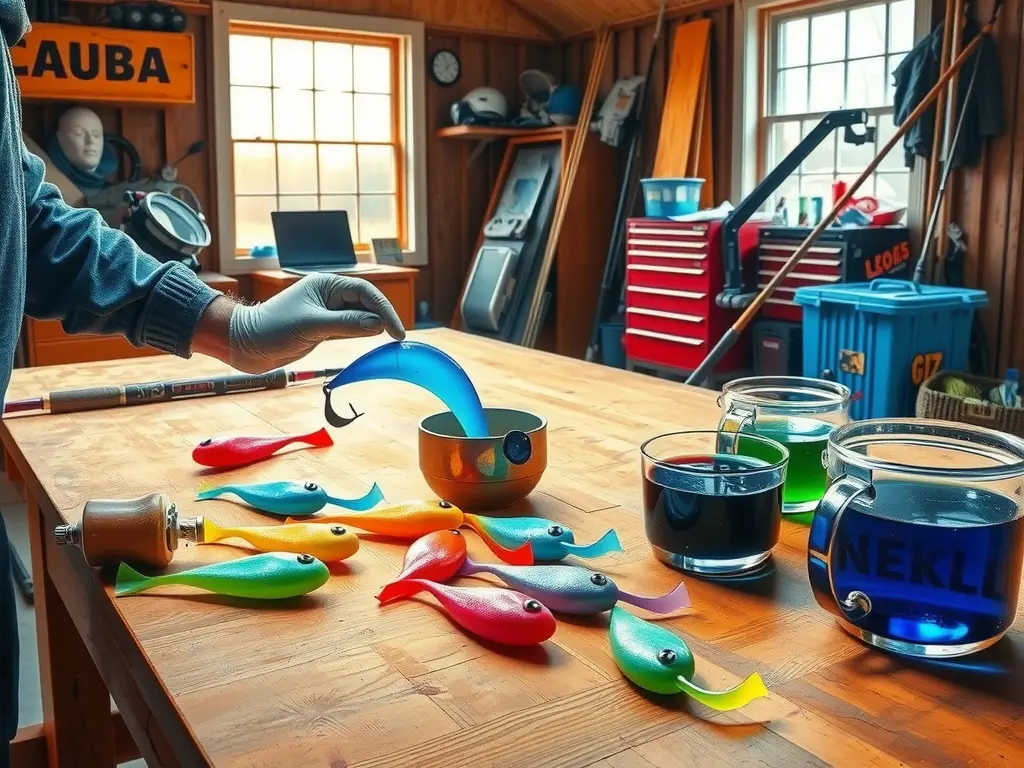
When it comes to creating custom lures for fishing, dyeing soft plastics is an art that requires precision and understanding of the materials involved. It’s a crucial process that anglers use to make their lures more appealing to fish.
Soft plastic lures are made from thermoplastics, which are materials that can be melted and molded into different shapes.
To add color to these lures, dyeing is essential.
Dyeing soft plastics involves immersing the lures in a solution containing dye absorption agents, which are then absorbed by the material to create the desired color. This process requires careful consideration of colorfastness, which refers to the ability of a dye to resist the fading of colors from thermoplastics after dye absorption, particularly when using waterbased dyes in the presence of coloring agents, and safety precautions must be taken to mitigate any potential risks.
Choosing The Right Dye Types
Color plays a crucial role in the creation of soft plastic products, and selecting the right colorant can greatly impact their appearance and longevity. Specifically, the stability of colors over time can be affected by the type of dye used, such as those that require heat setting or have varying levels of plastic pigment.
When it comes to dyeing soft plastics, understanding the characteristics of each type is crucial.
Dyes can be broadly classified into several categories, each with its unique properties and uses.
One type of dye, heat setting dyes, is commonly used to achieve vibrant and stable colors in soft plastics.
Acid Dyes are water-soluble and can be used for dyeing a range of materials, including natural fibers and soft plastics.
They may not be suitable for all types of plastics and can produce different results depending on the material being dyed. UV stability is achieved through the use of heat setting, plastic pigment, nontoxic dyes, UV stability, immersion dyeing, and spray painting.
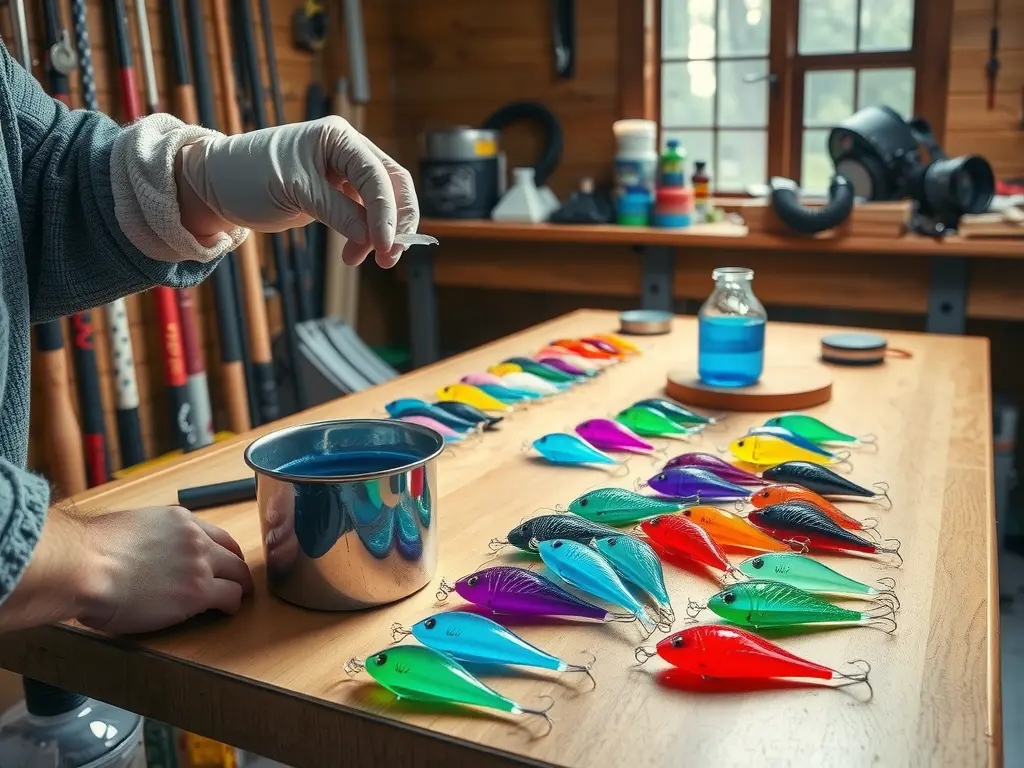
Understanding Dye Absorption
When combined with the right molecular framework, plastics can display unique properties that influence their affinity for colorants, ultimately yielding a wide range of possible hues.
Key Factors Affecting Dye Absorption in Soft Plastics.
Plasticizers and molecular interactions: The size and arrangement of plastic molecules can significantly impact their ability to absorb dye.
Adhesion promoters help to improve the bonding between the plastic and the dye, allowing for more efficient coloration.
Surface texture and porosity: The texture and porosity of a plastic can also affect dye absorption.
Pigment dispersions can enhance the coloration of smooth plastics, but may not penetrate as deeply into porous materials.
The temperature and pH levels can impact the dye migration and adhesion promoter used for the fabric dyes and pigment dispersions, as well as surface preparation and plasticizers.
Essential Safety Precautions
Adhering to meticulous safety protocols is essential when working with colorants and chemicals, as a single misstep can have severe consequences. This is why it’s vital to take a proactive approach to safeguarding oneself and the environment.
Protective Gear is a Must-Have
Chemical-resistant gloves safeguard against hazardous substances, while goggles shield the eyes from splashes and spills.
Face masks equipped with epoxy resin filters out noxious fumes and vapors, ensuring overall bodily well-being.
A Safe Workspace is Crucial
Well-ventilated areas prevent the accumulation of toxic fumes and gases. Covering work surfaces prevents spills from spreading and contaminating valuable materials, significantly reducing the risk of chemical reactions with epoxy resin, compromising dye compatibility, or affecting color mixing in dyeing techniques.
Exploring Immersion Dyeing Techniques
Unlocking the Magic of Hand-Dyed Fabrics With a little creativity and experimentation, you can unlock a world of vibrant colors and unique patterns in your textiles.
Immersion dyeing is a versatile technique that has been used by textile artists and designers for centuries, producing a wide range of colors and patterns that add an extra layer of personality to fabrics.
This process involves submerging the fabric in a dye solution, allowing the dye to penetrate evenly and consistently.
What Sets Immersion Dyeing Apart?
Immersion dyeing is known for its ability to produce vibrant, uniform colors and unique patterns.
* By fully immersing the fabric in the dye solution, artists can achieve deep, rich colors that would be impossible to achieve with other methods. The dye penetrates the fabric consistently, creating a uniform appearance that is difficult to achieve without compromising the environmental impact and requiring precise color matching, using advanced shading techniques, and controlling sealing agents and color additives, all of which are finely tuned with temperature control.
| Key Benefits | Difference from Other Methods |
|---|---|
| Vibrant, Uniform Colors | Impossible to achieve with other methods |
| Unique Patterns | Requires precise control and advanced techniques |
| Environmental Sustainability | Minimizes environmental impact |
The Importance Of Surface Preparation
The proper treatment of the surface it’s applied to. To achieve the desired color and finish, it’s essential to ensure that the surface is thoroughly prepared, creating a solid foundation for optimal dye adhesion and longevity.
When it comes to dyeing, a robust surface preparation is not an optional step, but a necessity.
Inadequate surface preparation can lead to unpredictable color effects, uneven color distribution, and ultimately, a loss of color, resulting in wasted resources and time.
Surface energy plays a pivotal role in dye adhesion, as it determines how well the dye molecules will bind to the surface. A surface with high energy, akin to wearing safety goggles for protection, will attract dye molecules, resulting in superior adhesion and color retention. Conversely, a surface with low energy will repel dye molecules, like the dye concentration is too low for effective coloring, resulting in a weak bond with the plastic molding, hence requiring safety goggles and gloves during spray application, with reference to the color chart.
Evaluating Colorfastness And UV Stability
Color retention in plastics is a critical factor in determining the aesthetic appeal and durability of plastic products. Ensuring that colors remain vibrant and consistent over time is essential for a wide range of industries, from consumer goods to outdoor applications, where solvent-based dyes are often used.
Importance of Color Retention
Color retention is crucial for plastics as it directly impacts their appearance and lifespan.
A faded or discolored plastic product can lose its appeal and value, reducing its effectiveness and user experience.
On the other hand, a colorfast product retains its original appearance, ensuring its intended functionality and aesthetic appeal remain intact throughout its lifecycle, which is also influenced by the mixing ratios of the dye. Factors Influencing Color Retention
Several factors influence color retention in plastics, including chemical degradation of dyes, physical changes in the plastic matrix, and environmental factors such as exposure to UV light, specific dye types, mixing ratios, surface treatment, solvent-based dyes, prep solutions, and dye testing.
Factors Influencing Color Retention
- Chemical degradation of dyes can significantly impact color retention in plastics.
- Physical changes in the plastic matrix, such as cracking or warping, can also affect color retention.
- Exposure to UV light can cause colors to fade and lose their vibrancy over time.
- Mixing ratios of dye and surface treatment can also influence the color retention of plastics.
Tips For Effective Rinsing Procedure
When it comes to dyeing plastic items, understanding the intricacies of material compatibility and color wheel considerations can make all the difference in achieving the desired hue. By considering color saturation and taking the right steps, you can avoid color bleeding and achieve the perfect shade.
Tips For Effective Rinsing Procedure
Rinsing your plastic items after dyeing is a matter of material compatibility and color wheel considerations, ensuring that the surface is free of dye residue and excess color.
Proper rinsing is vital to prevent color bleeding and ensure quality.
To prevent subpar results from occurring in your dyeing endeavors, it’s crucial to adhere to a precise and effective rinsing procedure. This entails gently agitating the item to remove excess dye, which plays a crucial role in color saturation. Changing the water multiple times is also essential to remove as much excess dye as possible, bearing in mind dye patterns, color saturation, the color wheel, and material compatibility impact on the final result.
Using Waterbased Dyes For Safety
The shift towards sustainable practices in industries such as manufacturing and textiles has led to a significant increase in the use of eco-friendly water-based dyes. These dyes reduce health risks and minimize the risk of accidents, making them a safer alternative to traditional solvent-based dyes.
Unlike their counterparts, which release harmful fumes and pose serious health risks to people, water-based dyes have transformed the world in several positive ways.
Incorporating standard application tools and protective equipment is crucial when working with water-based dyes, especially in a ventilated area during the dyeing process.
Safety training and regulations for chemical handling, as recommended by reputable OSHA resources, are also essential for those familiar with commercial textile and dye works establishment and manufacturing facility guidelines.
Examine the benefits of water-based dyes, which often pose fewer health risks and are easier to handle. When implementing these application tools, ventilated area, cleanup methods, dye formulation, protective equipment, project planning, it is crucial to follow a well-planned and executed process to ensure a safe and efficient outcome.
Benefits of Water-Based Dyes
- Water-based dyes reduce health risks and minimize the risk of accidents, making them a safer alternative to traditional solvent-based dyes.
- They pose fewer health risks and are easier to handle compared to traditional dyes.
- Water-based dyes have transformed the world in several positive ways by reducing the release of harmful fumes and posing fewer health risks to people.
- Incorporating standard application tools and protective equipment when working with water-based dyes is crucial to ensuring a safe and efficient outcome.
Airbrushing Techniques for Custom Lure Patterns
The art of creating visually stunning fishing lures is a key differentiator for serious anglers.
When it comes to crafting the perfect fishing lure, fishermen often overlook a crucial aspect: the paint job.
A well-executed airbrush art design can make all the difference in attracting and landing a fish.
Custom lures are designed to meet specific fishing needs, from targeting specific species to tackling specific fishing conditions.
With airbrush art techniques, anglers can create incredibly realistic lure designs that mimic the appearance and behavior of live bait, increasing their chances of landing the big catch.
But what if you’re not a seasoned painter? Don’t worry, with the right stencil techniques and a bit of practice, you can achieve professional-looking results. The key is creating custom lures with unique airbrush art, intricate lure designs, and precise stencil techniques, all while carefully selecting the right pigment application methods.
Understanding Airbrush Equipment
Crafting intricate fishing bait patterns requires precise control over color blending, and mastering this technique involves mastering the right airbrush equipment – a nuanced understanding of which can make all the difference.
Airbrush equipment is comprised of several key components, including the air hose, air cap, and nozzle.
The air hose provides the necessary airflow to propel paint through the airbrush, while the air cap and nozzle work together to mix and atomize the paint, creating a smooth, even finish.
The airbrush size and type are crucial factors to consider when choosing the right equipment for your artistic creation, as larger airbrushes are better suited for covering large areas quickly, while smaller airbrushes offer more precision and control.
Choosing The Right Paint Types
The right finishing touch can make or break a custom lure, and it all starts with the perfect paint type.
When it comes to designing a custom lure, the paint type can make all the difference in its durability and appearance. The right paint can withstand harsh fishing conditions, while the wrong paint can chip and flake off easily.
Creating a Durable Lure Finish
Skillful layering techniques are necessary to achieve a strong bond between the lure material and paint.
This is crucial for ensuring the paint stays in place even in the most demanding environments.
Lure Materials and Finishing Techniques
Soft plastics require a specialized primer to ensure proper paint adhesion when using waterbased paint. This primer helps create a smooth layer for the paint to adhere properly with acrylic paints.
Key Considerations for a Durable Lure Finish
- Using the right paint type can make a significant difference in a lure’s durability and appearance.
- Skillful layering techniques are necessary to achieve a strong bond between the lure material and paint.
- Soft plastics require a specialized primer to ensure proper paint adhesion when using waterbased paint.
- A primer helps create a smooth layer for the paint to adhere properly with acrylic paints.
Mastering Color Theory
Crafting effective custom lures requires a deep understanding of tackle enhancement techniques, and color theory is a crucial aspect of this process. When it comes to creating lures that catch the eye of fish, the right color combination can mean the difference between a lure that gets ignored and one that gets devoured.
By mastering the principles of color harmony, lure designers can create a color scheme that appeals to the target species and increases the chances of a catch.
Color harmony refers to the way different colors work together to create a specific mood or atmosphere, which is essential for designing lures that attract fish.
When combining colors that complement each other, designers can create a visual effect that attracts fish and increases the chances of a catch. For instance, warm colors like orange and red are often used to attract aggressive species like bass, while cool colors like blue and green are better suited for species that benefit from tackle enhancement, artistic expression, airbrush maintenance, design templates, and gradient effects.
Techniques For Layering Patterns
The art of creating visually striking fishing lures lies in the delicate balance of pattern layering, a technique that demands precision and creativity to produce a lure that not only attracts but also deceives even the most discerning fish.
Understanding the Importance of Layering
The process of layering patterns on fishing baits helps to create a natural-looking appearance, drawing in even the most finicky fish.
By using layering techniques, manufacturers can build a lure that not only looks realistic but also captures the attention of potential predators.
To achieve this, it’s essential to choose the right materials, such as metal flake or pearl type paint, which provides excellent depth to the design and can conceal hooks and hardware, enhancing the overall model aerography. One of the most important factors in choosing the right base coat is selecting a paint type that complements the specific needs of the model’s customization and design precision requirements.
| Key Factors in Layering Techniques | Importance in Fishing Lure Design |
|---|---|
| Choosing the right materials (e. g.
Metal flake or pearl type paint) |
Provides excellent depth to the design and conceals hooks and hardware |
| Selecting the right base coat | Complements the specific needs of the model’s customization and design precision requirements |
| Pattern layering precision | Demands creativity to produce a lure that attracts and deceives even the most discerning fish |
Importance Of Surface Preparation
Craftsmanship relies heavily on surface preparation, which determines the quality of the finished product. For surface preparation, critical factors like porosity, texture, and contamination must be addressed to achieve strong adhesion on lures.
Porosity, in particular, significantly impacts paint adhesion by affecting the paint’s ability to bind with the surface.
A thorough cleaning is essential to remove old coatings, sealants, and contaminants that can compromise adhesion.
Surface preparation experts recommend using solvents to dissolve and remove existing compounds that may interfere with paint adhesion on lures. Abrasive scrubbing techniques and chemical stripping can also be employed to modify the surface texture and remove old paint.
The final step in surface preparation is to ensure the surface is completely dry and free of dust and debris before applying paint. By following these necessary steps, anglers can achieve a long-lasting and visually appealing finish through masterful paint mixing, an understanding of color theory, the techniques of hobby painting, a thorough surface preparation, and exceptional craftsmanship.
Exploring Stencil Techniques
For centuries, artists have sought to master the perfect balance of precision and self-expression, and stencils have emerged as a powerful tool in this quest. The subtle nuances of stencil techniques allow artists to achieve a level of accuracy that is unmatched by many other mediums, making them an ideal choice for those who crave both control and creativity.
When it comes to aesthetics, consistency is key.
By employing stencils, artists can reproduce intricate designs with ease, creating a visual appeal that is both stunning and precise.
The history of stencil techniques dates back to ancient civilizations, where artists used stencils to create intricate designs on walls and other surfaces, showcasing the unique patterns and designs that could be achieved with this versatile medium. Today, stencils continue to be a popular art form that showcases a wide range of aesthetics, offers various application methods, features unique patterns, and possesses great visual appeal, allowing for intricate gear artistry.
Key Points About Stencils
- Stencils allow artists to achieve a high level of accuracy that is unmatched by many other mediums.
- Consistency is key to creating visually appealing designs, and stencils can reproduce intricate designs with ease.
- The history of stencil techniques dates back to ancient civilizations, where artists used stencils to create intricate designs on walls and other surfaces.
- Stencils offer a versatile medium for artists to showcase a wide range of aesthetics and patterns.
Tips For Maintaining Your Airbrush
To keep your spray gun techniques at their best for crafting supplies, you need to prioritize regular maintenance to prevent clogs and worn-out parts.
Airbrush equipment consists of several key components, including the airbrush, compressor, and hose, all of which play a critical role in delivering precise and vibrant artistic finishes.
These components work together to provide consistent results and allow for various spray gun techniques.
To protect your investment and preserve the precision painting capabilities of your airbrush, regular maintenance is essential.
Neglecting to clean and maintain the equipment can lead to a decline in performance and lifespan. This decline can manifest in clogged nozzles, worn-out parts, and decreased precision painting capabilities, ultimately affecting the artistic finish of your work.
Choosing the Right Cleaning Solution
When it comes to cleaning your airbrush, not all cleaning products are created equal. Some are designed to produce artistic finishes, pattern layering, spray gun techniques, precision painting, and crafting supplies.
Crafting Unique Patterns.
The Art of Unconventional Lure Design unleashing your creativity in lure design requires a willingness to experiment and push the boundaries of traditional techniques, embracing artistic freedom to create something truly unique. Traditional lure designs often rely on familiar patterns and color schemes, but you can take a different approach by exploring unconventional techniques and encouraging innovation in lure design through personalized artistic expression and creativity.
To craft a one-of-a-kind lure, begin by breaking free from the norms.
A key technique is to use blending colors to create a distinctive palette for your lure, achieved by layering different paints or glues to create a marbled effect that adds visual interest and depth.
Blending colors is not the only technique you can use to create a unique design. Mixing media, such as combining metal leaf and resin, can add a three-dimensional element to your lure and create a truly eye-catching and innovative work of art that showcases artistic freedom through decoration and blending colors using various application tools.
| Technique | Description |
|---|---|
| Blending Colors | Layering different paints or glues to create a marbled effect that adds visual interest and depth. |
| Mixing Media | Combining metal leaf and resin to add a three-dimensional element to your lure. |
| Using Various Application Tools | Employing different tools to blend colors and create unique effects. |
| Breaking Free from Norms | Embracing artistic freedom to create something truly unique and unconventional. |
Using UV-Reflective Glitter in Lure Making
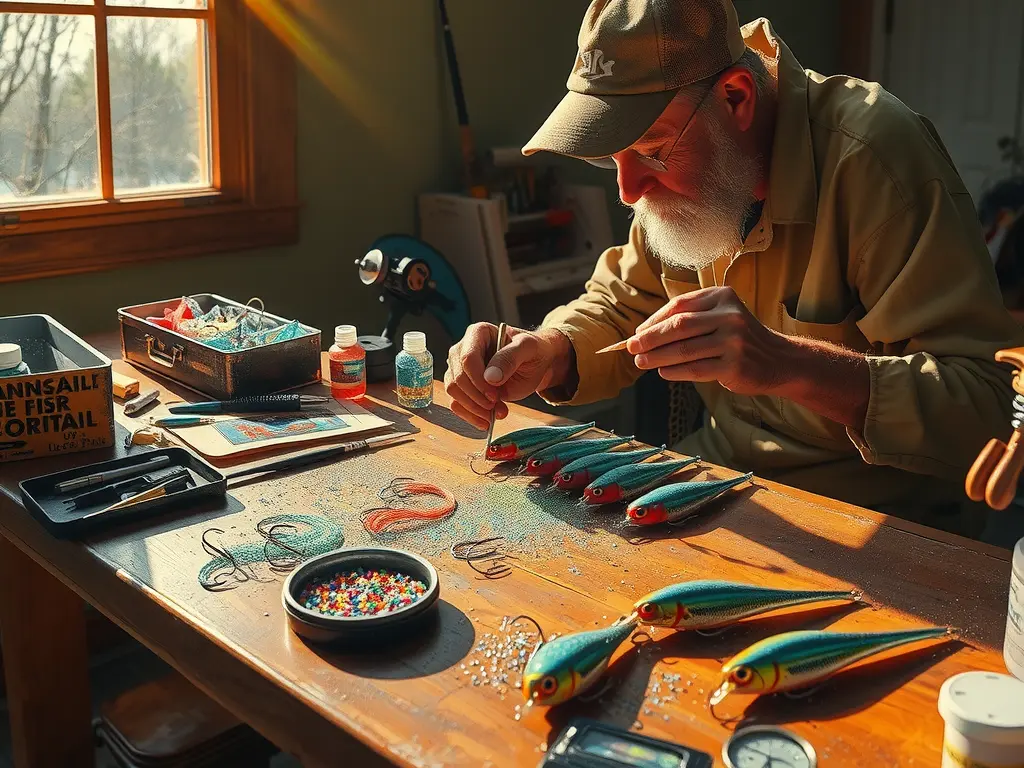
Unleashing the Power of Reflective Materials
When it comes to creating effective lures, anglers often overlook one crucial aspect: the use of reflective materials to increase visibility and attract fish. Fish are naturally drawn to shiny objects, and UV-reflective glitter can mimic the shimmer of baitfish scales, making it an attractive addition to many lure designs.
UV-reflective glitter works by refracting light and creating holographic effects that are visible to fish even in low-light conditions.
This is especially beneficial when fishing in murky or cloudy waters where traditional lures may not be as effective.
The key to using shimmer particles successfully lies in its application and combination with other fishing attractants. By strategically incorporating reflective materials such as UV glitter, shimmer particles, and holographic effects, as well as utilizing fishing attractants and innovative lure design, manufacturers can create highly effective fishing lures.
Understanding UV Reflective Glitter
The unique properties of UV reflective materials have made a significant impact on the world of artificial bait, particularly in terms of lure crafting. UV reflective glitter is a specially designed material that reflects ultraviolet light, making it more visible to fish in aquatic environments.
This property sets it apart from traditional glitter materials, which are often opaque and lack the same level of reflectivity.
When applied to artificial bait, UV reflective glitter can significantly enhance lure visibility, making it more attractive to fish and increasing catch rates.
Lure makers often use UV reflective glitter to produce eye-catching patterns and designs that catch the attention of fish in vibrant colors. The effectiveness of UV reflective glitter also depends on various factors, including its chemical composition and molecular structure, as well as its interaction with water and light. Manufacturers use various techniques to apply UV reflective glitter to fishing lures, including surface coating methods that enhance the color, visibility, and overall attractiveness of the lure.
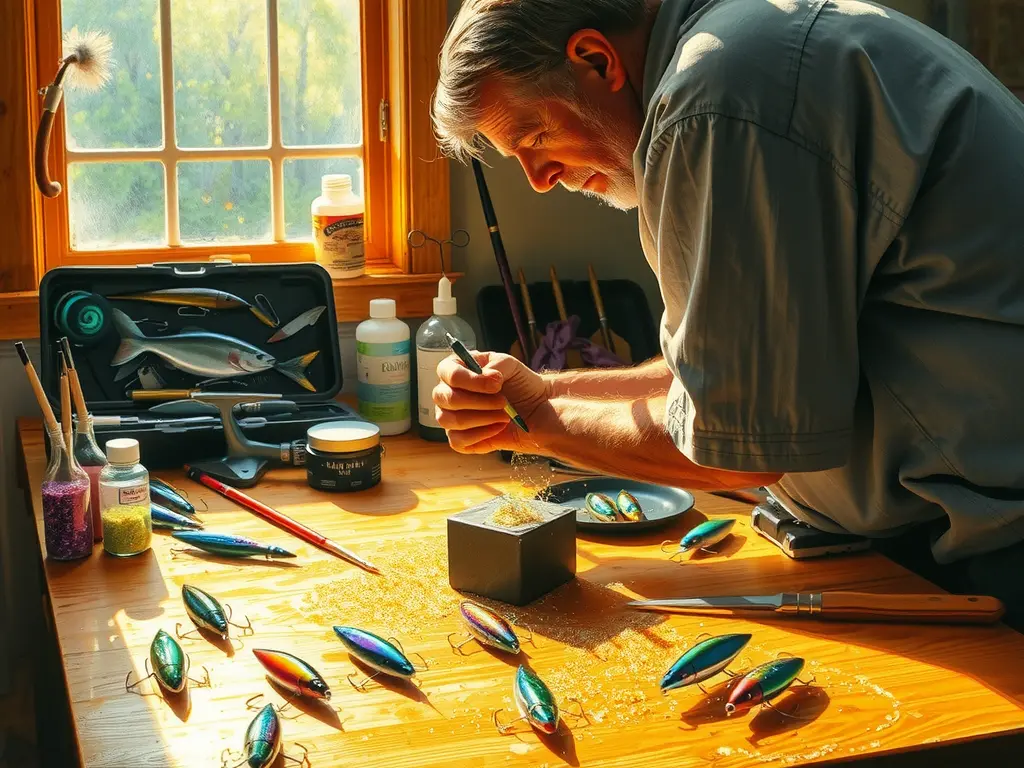
How Does Glitter Enhance Lure Design
The image in the figure is a glitter lure.jpg alt=glitter lure style=width:100px; height:100px;>
The strategic addition of a shimmer finish to lures has revolutionized the way anglers catch fish, and it’s all thanks to the captivating allure of glitter.
Glitter has been a staple in lure making for decades, providing a mesmerizing sparkle finish that catches the attention of fish and anglers alike.
By incorporating shiny streaks into lures, designers can enhance their UV response and increase the chances of a successful catch.
The Impact of Shimmer Techniques on Lure Visibility and Attractiveness
UV reflecting glitter plays a significant role in making lures more visible and attractive to fish. The reflective surface of sparkly glitter often enhances the UV response and shimmer techniques of the sparkle finish in fishing tackle, which serve to improve bait styling and lure aesthetics.
| Types of Glitter Used in Lures | Benefits of Glitter in Lures | Impact on UV Response | Effect on Lure Visibility |
|---|---|---|---|
| UV Reflecting Glitter | Enhances Sparkle Finish and Attractiveness | Increases UV Response | Improves Lure Visibility |
| Sparkly Glitter | Enhances UV Response and Shimmer Techniques | Improves Bait Styling and Lure Aesthetics | Increases Chances of Successful Catch |
Techniques for Applying Glitter to Lures
Revolutionizing Bait Formulation with Innovation. By understanding the role of glitter in aquatic visibility, anglers can unlock a more effective bait formulation.
Glitter adds visual appeal and enhances detection capabilities, making it easier for fish to spot the lure.
UV-reflective materials are particularly beneficial, creating a dazzling display of light that attracts fish from a distance.
Techniques for Applying Glitter to Lures
Preparation is Key
Choosing the right adhesive is crucial for a strong bond between the glitter and the lure surface. A suitable adhesive will ensure that the glitter adheres evenly and remains in place during use, while also considering factors like adhesion and distribution for optimal results. When selecting an adhesive for your custom lure, consider the type of glitter used, as well as the lure material and bait formulation, particularly for those that require high customization and optimal aquatic visibility and performance.
The Science Behind Holographic Effects
In the world of imaging technology, a phenomenon has been developed that creates an immersive and unparalleled visual experience – the holographic effect. This captivating technology manipulates light to create three-dimensional images that captivate our attention.
Holographic effects in water involve a crucial interaction with the environment, and understanding the underlying science can significantly enhance lure performance.
Reflective surfaces, crucial for better light interaction, play a pivotal role in this process.
When light interacts with the water surface, it behaves according to the principles of interference and diffraction. Interference occurs when two or more waves overlap, resulting in a pattern, and diffraction is the bending of waves around obstacles.
Destructive interference cancels waves, while constructive interference amplifies them. In the context of holographic effects, interference is a key factor in creating the illusion of depth. Diffraction plays a vital role by manipulating reflective surfaces to create color shifting finishes for enhancement of gear.
Key Aspects of Holographic Effects
- Interference occurs when two or more waves overlap, resulting in a pattern, and is a key factor in creating the illusion of depth in holographic effects.
- Destructive interference cancels waves, while constructive interference amplifies them, affecting the overall appearance of the holographic image.
- Diffraction plays a vital role in manipulating reflective surfaces to create color shifting finishes for enhancement of gear.
- Reflective surfaces are crucial for better light interaction and play a pivotal role in the process of creating holographic effects.
Customizing Fishing Lures with Glitter
Fishing lures can be taken to the next level by incorporating unique decorations that give them an irresistible allure.
Fishing lures can be made more attractive to fish by adding subtle, shiny decorations, such as glitter or metallic powders.
These decorations not only catch the eye of fish but also entice them to strike, making them a crucial component of effective lure design.
Unlocking the Power of Personalized Lure Design
To elevate your fishing experience, one effective strategy is to experiment with customize coatings that will capture the attention of even the most elusive fish.
By incorporating glitter into your lures, you can tap into its ability to reflect light and create a dazzling display that draws fish in. This phenomenon occurs when the light emitted by bioluminescent organisms or artificial light sources is reflected off the glitter, making the lure more visible in the water. When exploring coatings, styles, materials, strategies, sparkle design, and functionality, one can tailor a unique look and feel to their space.
Enhancing Bait Visibility with Reflective Materials
As anglers delve into the world of lure making, a crucial aspect to consider is the role of shimmering effects in attracting fish. By harnessing the power of vibrant colors and reflective materials, anglers can create lures that produce a dazzling display underwater, drawing in fish from a distance.
Reflective materials have been used in lure making for decades, with the first materials being developed in the 1960s for production of fishing accessories.
These early innovations paved the way for the vibrant colors and shimmering effects seen in modern lures.
The science behind shimmer particles and fish attraction is rooted in the way that light interacts with the water and the fish’s visual system. This complex underwater attraction is influenced by a range of factors, including the reflectivity of the lure, the angle of the sun, and the depth of the water. To create effective lures that showcase shimmering effects, production, assembly, underwater attraction, and vibrant colors with a variety of accessories.
Choosing the Right Glitter Types
When it comes to designing an irresistible fishing lure, the right artistry behind the sparkle is crucial for snagging finicky fish, and that’s where aquatic effects like glitter come in – a crucial element that sets the tone for a successful catch.
Glitter materials come in various forms, including glass, plastic, and metal, each with its own unique characteristics and uses in lure making.
The importance of those tiny shimmering particles cannot be overstated, as they enhance the lure’s visibility and attractiveness to fish.
Metals like aluminum, iron oxide, and copper are commonly used for fine artistry, due to their durability and reflective properties, making them perfect for creating a vibrant, attractive finish.
Aluminum glitters are popular for their bright finish and resistance to corrosion, while iron oxide glitters offer a more subtle, earthy tone. The size and shape of glitter particles also greatly contribute to its artistry, interaction with reflective pigments, and ability to create various aquatic effects, add to its vibrancy, and showcase exceptional craftsmanship.
The Future of Lure Crafting Innovations.
With fishing gear evolving constantly, lure crafting is poised for a transformative shift, leveraging innovative materials and methods to revolutionize the art of fishing tackle.
Using glittered lures with micro-scale reflective materials, manufacturers can create a visual spectacle that draws fish in like never before.
These materials, infused with tiny reflective particles, have the ability to refract and reflect light in dazzling ways that mimic the injured appearance of baitfish, thereby increasing the lure’s visibility and effectiveness.
Eco-friendly alternatives, such as plant-based plastics and recycled composites, are emerging as game-changers in the industry, offering a sustainable solution to traditional materials.
As consumers become increasingly environmentally conscious, the shift towards these supplies is essential, addressing critical issues in waste management and sustainability.
3D printing technology has become a crucial tool in the realm of lure crafting. By applying this cutting-edge technology to specific glittered lures, UV-reactive materials, equipment, and testing supplies to analyze and optimize the properties.
Adding Salt to Soft Plastics: Effects and Techniques
Few anglers understand the transformative power of incorporating elemental substances into their lures, particularly when it comes to small, pliable materials used in freshwater fishing. While fishing for soft plastics, many anglers overlook a simple yet effective technique that can drastically improve their catch rates: adding a pinch of salt to their lures.
This saltwater infusion can enhance the scent of the soft plastic, making it more attractive to fish.
Radically changing fish behavior is one of the most significant effects of plastic manipulation.
By adding a small amount of salt to the soft plastic, anglers can create a strong attraction zone that stimulates fish to strike.
Boosting catch rates and fishing success is the ultimate goal of using spray-textured, soft-plastic lures. The fishing guide invited us to create a craft that read By the combination of saltwater infusion, plastic manipulation, lure enhancement, texture modification, buoyancy adjustment, and bait preparation.
Understanding Saltwater Infusion Techniques
Enhancing the allure of soft plastic lures has long been a quest for anglers, with the right combination of weight, buoyancy, and attraction properties making all the difference in securing that trophy catch.
When it comes to creating a more enticing and effective fishing lure, anglers have turned to various techniques to boost the flavor enhancement of their soft plastic baits.
Infusing soft plastics with saltwater is one such method that has shown promising results, offering improved fishing effectiveness, water solubility, and increased durability of the lure.
Fishing with soft plastics is a popular approach, and its widespread use among anglers is due in part to its ability to mimic the look and feel of live bait.
By infusing these lures with saltwater, anglers can enhance their effectiveness, leading to a higher catch rate. The process of saltwater infusion is gaining popularity among anglers due to its attraction properties, weight distribution, soft plastic baits, flavor enhancement, fishing effectiveness, and water solubility.
Effects of Salt on Plastic Manipulation
Soft plastics have experienced a significant transformation in their performance and longevity with the of a simple yet effective additive – salt. The addition of this everyday compound has revolutionized the manufacturing process, yielding materials with enhanced properties that withstand the demands of fishing.
Soft plastics are a popular choice for fishing lures due to their sensitivity and versatility, allowing them to be molded into various shapes, weights, and textures to mimic specific prey, making them an attractive option for anglers seeking a natural presentation in water and effective scent release.
When salt is added to soft plastics during molding, it profoundly influences the chemical interaction between the plastic and water, leading to significant changes in both their flexibility and durability.
This modification enables anglers to benefit from increased casting distance and more reliable fishing results. Increased Durability The addition of salt to soft plastics has been shown to increase tear resistance, allowing the lure to withstand longer casting distances and harsh fishing conditions due to the improved chemical interaction between the lure and fishing gear.
Key Benefits of Salt-Enhanced Soft Plastics
- Soft plastics with salt can withstand longer casting distances due to increased tear resistance.
- The addition of salt enhances the chemical interaction between the lure and water, leading to improved durability.
- Salt-enhanced soft plastics can withstand harsh fishing conditions, providing more reliable fishing results.
- The modification enables anglers to benefit from increased casting distance and more effective scent release.
Benefits of Lure Enhancement with Salt
Effective Fishing Lures Depend on Strategic Enhancements, Where One Key Variable is the Addition of Salt Crystals to the Mixture.
For soft plastics, salt addition significantly impacts weight, influencing buoyancy and sink rate.
This considerable difference in movement and depth preference affects the species being targeted, as bass, walleye, pike, and panfish have varying requirements for lure presentation.
The flexibility and elasticity of salt-infused lures create a more appealing action, particularly crucial for species with acute senses of touch and sight, such as bass and pike.
This enhanced movement also increases the likelihood of biting.
One key aspect of salt enhancement is its effect on attractant properties, as it enhances scent emission and release from the lure.
This boosts the effectiveness of lures on aquatic species with developed olfactory senses, such as catfish and carp. The increased water resistance provided by salt crystals and improved surface tension enhances the overall effectiveness of angler tactics in attracting aquatic species.
Texture Modification Strategies for Baits
Soft plastics in fishing success largely rely on material properties, making the sensory appeal of these lures incredibly important. The texture of soft plastics can make or break a successful catch, as it has a significant impact on how fish perceive and respond to them.
Texture significantly impacts the appeal and performance of soft plastics, as it can mimic natural baitfish and trigger fish feeding behavior.
Captured fish provide insight into the types of textures that attract fish, while texture influences the ease of bait drag due to drag resistance.
With each presentation through the water column, texture plays a crucial role in determining fishing success, affecting lures movement and presentation. To investigate various methods for modifying the texture of soft plastics, anglers employ different techniques, such as Perl-Ex, which involves using delrin beads to enhance soft plastics’ appearance and mimic the presence of invertebrates. Texture modification with consideration of rigging methods, sensory appeal, fishing success, material properties, environmental impact, and market trends.
Key Points About Soft Plastics in Fishing
- Texture significantly impacts the appeal and performance of soft plastics, as it can mimic natural baitfish and trigger fish feeding behavior.
- Captured fish provide insight into the types of textures that attract fish, while texture influences the ease of bait drag due to drag resistance.
- Texture plays a crucial role in determining fishing success, affecting lures movement and presentation with each presentation through the water column.
- Anglers employ different techniques, such as Perl-Ex, to modify the texture of soft plastics and enhance their appearance and mimic the presence of invertebrates.
Importance of Buoyancy Adjustment
Achieving optimal weight distribution in soft plastics is a delicate process that requires careful consideration of several factors, including the innovative use of tackle optimization techniques to minimize drag and maximize casting accuracy. Accurate weight distribution is crucial for soft plastics to achieve optimal casting accuracy and presentation.
Buoyancy, the upward force exerted by a fluid on an object partially or fully submerged in it, plays a vital role in this process.
In the context of soft plastics, buoyancy is influenced by the material’s density, which can be altered through various means, including the precise control of salt concentration during the manufacturing process.
Buoyancy adjustment is a critical component of soft plastic technology, enabling anglers to achieve the desired weight distribution, which in turn affects the lure’s presentation and attraction to fish. Proper buoyancy adjustment can make a significant difference in the effectiveness of the lure, allowing it to improve casting accuracy and enhance soft bait technology.
Effective Bait Preparation Techniques
Soft plastics have become a game-changer in sports fishing, offering anglers a unique opportunity to harness the incredible benefits of salt to take their fishing experience to the next level.
Salt is a crucial component in the durability and attractiveness of soft plastics, playing a vital role in making them more appealing to fish.
When added in the right amount, salt increases the weight and sink rate of the plastic, making it more effective for lures that need to dive deep into the water column.
This is particularly important for anglers who want to maximize their performance improvement.
Techniques for adding salt to soft plastics include sprinkling it directly onto the lure or mixing it with water to create a saltwater solution. Finding the right balance is key, as too little salt may not have the desired effect, while too much can compromise the bait customization. To achieve optimal results, anglers should follow the fishing regulations, focus on performance improvement, and consider the additive properties of various baits and the customization of lures to enhance their sports fishing experience.
| Benefits of Salt in Soft Plastics | Consequences of Incorrect Salt Use |
|---|---|
| Increases weight and sink rate of the plastic | Too little salt may not have the desired effect |
| Makes the lure more appealing to fish | Too much salt can compromise the bait customization |
| Enhances the durability of soft plastics | Requires finding the right balance of salt for optimal results |
Exploring Attraction Properties of Salt
In the world of angling, understanding the intricacies of the fish’s sensory appeal is crucial for successful fishing expeditions. Many anglers rely on the use of marine biology-inspired lures and tackle essentials to increase their chances of reeling in a catch.
The primary factor that draws fish to these lures is the subtle interaction between the chemical composition of the bait and the surrounding water, particularly its fishing supply component.
The importance of osmoregulation in fish cannot be overstated, as it plays a vital role in maintaining a delicate balance between the fish’s bodily fluids and the surrounding environment, making fishing supply companies take notice.
Through osmoregulation, fish regulate the concentration of ions and water within their bodies, ensuring that they remain hydrated and functioning optimally, much like the correct adjustment of an angling equipment can make all the difference. Failure to master the fundamentals of marine biology, tackle essentials, fishing supply, angling equipment, bait types, and fish behavior can lead to a frustrating and unsuccessful fishing experience.
Innovations in Bait Customization.
Revolutionizing the Art of Fishing.
The fishing industry has witnessed a significant shift in the way anglers approach bait customization, with a growing focus on enhancing soft plastic baits with salt to improve fishing performance attributes.
Lure Versatility on the Rise
Anglers are now experimenting with various shapes and profiles to create more effective presentations, while also investigating the impact of design modifications on fish attraction and strike rate in modern fishing tactics.
The Science Behind Salt’s Role
Research has shown that salt can enhance the durability and scent of soft plastic baits, making them more appealing to fish and improving bait longevity.
Plastic Lure Modification Techniques
Anglers are now incorporating paint, glitters, and other materials to achieve the perfect lure versatility on the water, taking advantage of market trends and angler tactics for improving fishing effectiveness.
Key Facts About Salt-Enhanced Soft Plastic Baits
- Salt can enhance the durability of soft plastic baits by up to 30%
- Anglers who use salt-enhanced soft plastic baits report a 25% increase in strike rate
- The addition of salt can also improve the scent of soft plastic baits, making them more appealing to fish
- Research has shown that salt-enhanced soft plastic baits can last up to 50% longer than regular baits